
Portrait painting of Jan Dobrogost Krasiński - Michelangelo Palloni | Art print


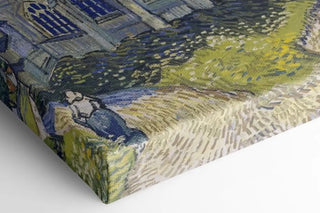
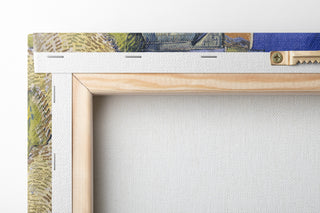
View from behind
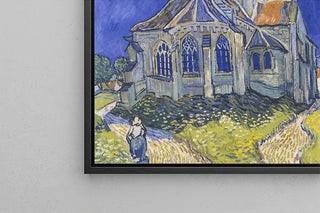
Frame (optional)
Portrait of Jan Dobrogost Krasiński - Michelangelo Palloni – Captivating Introduction
In the vast panorama of art history, some works manage to transcend time and capture the essence of an era. Among these, the "Portrait of Jan Dobrogost Krasiński" by Michelangelo Palloni stands out for its elegance and psychological depth. This piece, depicting a Polish nobleman, is much more than a simple portrait; it is an open window into the Renaissance, a period when the individual and their social status took center stage in art. The finesse of details, the expression of the subject, and the use of light all testify to a technical mastery that invites the viewer to immerse themselves in a universe rich in emotions and stories.
Style and uniqueness of the work
Palloni's style in this portrait is characterized by striking realism and meticulous attention to detail. Every element, from the richly adorned costume to the facial features, is rendered with precision that reflects not only the artist's virtuosity but also their desire to convey the soul of their subject. The color palette, subtly chosen, evokes an atmosphere that is both solemn and warm, reinforcing the sense of dignity emanating from Jan Dobrogost Krasiński. The posture of the figure, slightly turned to the right, along with their contemplative gaze, creates a silent dialogue with the viewer, inviting reflection on their thoughts and aspirations. This work stands out for its ability to capture not only external appearance but also the inner life of its subject, an essential characteristic of Renaissance art.
The artist and their influence
Michelangelo Palloni, an artist of the Italian court, established himself through his talent and originality within a vibrant artistic environment. Trained in the shadow of great masters, he developed a style that is uniquely his own, blending tradition and innovation. His work is marked by an in-depth exploration of human emotions, as well as a desire to portray nobility in a more human and accessible light. Palloni's influence extends beyond his own creations, inspiring many contemporary and future artists. Through his innovative approach to
Portrait painting of Jan Dobrogost Krasiński - Michelangelo Palloni | Art print

-10% FROM €95 IN PURCHASES
-15% FROM €195 IN PURCHASES
Regular price
- Unit price
- per
Tax included.
Free shipping
€4.90 / Free shipping on orders over €39
Satisfied or Money Back
Free returns within 30 days
10-year warranty
Our prints are guaranteed for 10 years
Any questions? We are here!
by email to contact@artemlegrand.com
THE STEPS OF YOUR ORDER

STEP 1 - ORDER PLACED
Your order has been confirmed and we are starting production
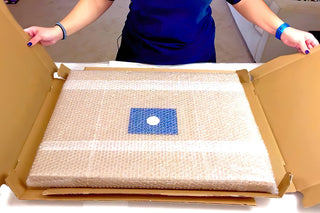
STEP 2 - SHIPPING
We ship your order. We send you an email to track the progress

STEP 3 - DELIVERY
You receive your order. You can also, according to your choice, be delivered to a relay point.
Matte finish
View from behind
Frame (optional)
Portrait of Jan Dobrogost Krasiński - Michelangelo Palloni – Captivating Introduction
In the vast panorama of art history, some works manage to transcend time and capture the essence of an era. Among these, the "Portrait of Jan Dobrogost Krasiński" by Michelangelo Palloni stands out for its elegance and psychological depth. This piece, depicting a Polish nobleman, is much more than a simple portrait; it is an open window into the Renaissance, a period when the individual and their social status took center stage in art. The finesse of details, the expression of the subject, and the use of light all testify to a technical mastery that invites the viewer to immerse themselves in a universe rich in emotions and stories.
Style and uniqueness of the work
Palloni's style in this portrait is characterized by striking realism and meticulous attention to detail. Every element, from the richly adorned costume to the facial features, is rendered with precision that reflects not only the artist's virtuosity but also their desire to convey the soul of their subject. The color palette, subtly chosen, evokes an atmosphere that is both solemn and warm, reinforcing the sense of dignity emanating from Jan Dobrogost Krasiński. The posture of the figure, slightly turned to the right, along with their contemplative gaze, creates a silent dialogue with the viewer, inviting reflection on their thoughts and aspirations. This work stands out for its ability to capture not only external appearance but also the inner life of its subject, an essential characteristic of Renaissance art.
The artist and their influence
Michelangelo Palloni, an artist of the Italian court, established himself through his talent and originality within a vibrant artistic environment. Trained in the shadow of great masters, he developed a style that is uniquely his own, blending tradition and innovation. His work is marked by an in-depth exploration of human emotions, as well as a desire to portray nobility in a more human and accessible light. Palloni's influence extends beyond his own creations, inspiring many contemporary and future artists. Through his innovative approach to
12,34 €