
Painting Portrait of his son Moritz in profile - Johann Baptist Reiter | Art print


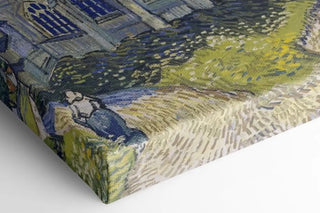
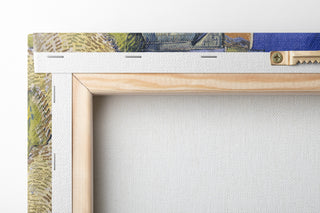
View from behind
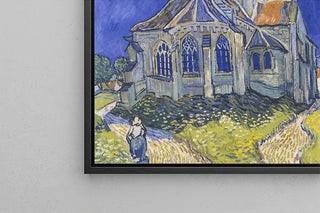
Frame (optional)
In the vast panorama of art history, certain works manage to capture the very essence of human relationships. The "Portrait of his son Moritz in page" by Johann Baptist Reiter is one of those creations that, beyond mere representation, evokes a profound intimacy between father and child. This piece, executed with remarkable delicacy, transports us to a world where emotion and technique converge. Through this portrait, Reiter does not merely freeze a moment; he immortalizes a connection, a palpable tenderness that resonates through the ages.
Style and uniqueness of the work
Johann Baptist Reiter's style is distinguished by an approach that is both realistic and sensitive. In this portrait, every detail, from Moritz's lively gaze to the gentle expression on his face, is carefully crafted. Light plays a crucial role, illuminating the young boy's face while casting the background into a soft darkness, creating a contrast that draws the eye and emphasizes the central figure. The color palette chosen by Reiter, subtle and harmonious, contributes to the warm atmosphere of the piece. This meticulous attention to detail and harmony of tones reveals not only the artist's technical talent but also his ability to convey complex emotions through painting. The portrait thus becomes an open window into Moritz's soul, inviting us to share a moment of intimacy.
The artist and his influence
Johann Baptist Reiter, an emblematic figure of the 19th century, established himself in the art world through his innovative and humanist approach. Trained at the finest art schools of his time, he developed a style that combines tradition and modernity. Reiter's influence extends beyond his own works; he also inspired a generation of artists who followed in his footsteps, seeking to capture the depth of human relationships through portraits. His ability to depict the psychology of characters, while maintaining a refined aesthetic, marked his era and continues to influence contemporary artists. The "Portrait of his son Moritz in page" is a perfect illustration of this influence, where
Painting Portrait of his son Moritz in profile - Johann Baptist Reiter | Art print

-10% FROM €95 IN PURCHASES
-15% FROM €195 IN PURCHASES
Regular price
- Unit price
- per
Tax included.
Free shipping
€4.90 / Free shipping on orders over €39
Satisfied or Money Back
Free returns within 30 days
10-year warranty
Our prints are guaranteed for 10 years
Any questions? We are here!
by email to contact@artemlegrand.com
THE STEPS OF YOUR ORDER
STEP 1 - ORDER PLACED
Your order has been confirmed and we are starting production
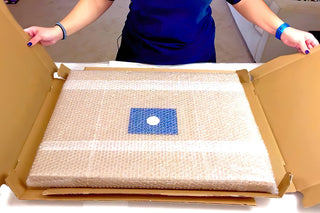
STEP 2 - SHIPPING
We ship your order. We send you an email to track the progress

STEP 3 - DELIVERY
You receive your order. You can also, according to your choice, be delivered to a relay point.
Matte finish
View from behind
Frame (optional)
In the vast panorama of art history, certain works manage to capture the very essence of human relationships. The "Portrait of his son Moritz in page" by Johann Baptist Reiter is one of those creations that, beyond mere representation, evokes a profound intimacy between father and child. This piece, executed with remarkable delicacy, transports us to a world where emotion and technique converge. Through this portrait, Reiter does not merely freeze a moment; he immortalizes a connection, a palpable tenderness that resonates through the ages.
Style and uniqueness of the work
Johann Baptist Reiter's style is distinguished by an approach that is both realistic and sensitive. In this portrait, every detail, from Moritz's lively gaze to the gentle expression on his face, is carefully crafted. Light plays a crucial role, illuminating the young boy's face while casting the background into a soft darkness, creating a contrast that draws the eye and emphasizes the central figure. The color palette chosen by Reiter, subtle and harmonious, contributes to the warm atmosphere of the piece. This meticulous attention to detail and harmony of tones reveals not only the artist's technical talent but also his ability to convey complex emotions through painting. The portrait thus becomes an open window into Moritz's soul, inviting us to share a moment of intimacy.
The artist and his influence
Johann Baptist Reiter, an emblematic figure of the 19th century, established himself in the art world through his innovative and humanist approach. Trained at the finest art schools of his time, he developed a style that combines tradition and modernity. Reiter's influence extends beyond his own works; he also inspired a generation of artists who followed in his footsteps, seeking to capture the depth of human relationships through portraits. His ability to depict the psychology of characters, while maintaining a refined aesthetic, marked his era and continues to influence contemporary artists. The "Portrait of his son Moritz in page" is a perfect illustration of this influence, where
12,34 €