
Painting Portrait of Heyman Dullaert - Philip Koninck | Art print


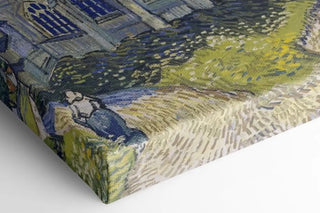
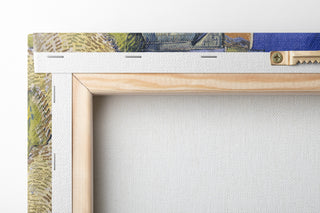
View from behind
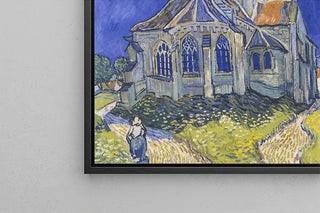
Frame (optional)
Portrait of Heyman Dullaert - Philip Koninck – Captivating Introduction
The "Portrait of Heyman Dullaert" by Philip Koninck is an iconic 17th-century artwork that captures not only the physical appearance of its subject but also the very essence of the era in which it was created. In this painting, Dullaert's penetrating gaze seems to transcend time, inviting the viewer to delve into the subtleties of his character and social status. Koninck's art, both realistic and rich in symbolism, reveals the nuances of a society in full transformation, where the individual begins to stand out in art. The art print of this work allows for rediscovering a key moment in art history, while offering a window into the intimacy of a man whose portrait bears witness to a rich and complex life.
Style and uniqueness of the work
Philip Koninck's style is characterized by striking realism and meticulous attention to detail. In the "Portrait of Heyman Dullaert," each brushstroke appears deliberate, with every shadow and light playing a crucial role in the composition. The texture of the clothing, the softness of the skin, as well as the facial expression are rendered with such precision that the viewer cannot help but feel an emotional connection with the subject. The color palette chosen by the artist, oscillating between warm and cool tones, accentuates the introspective nature of the scene. This portrait is not limited to a simple physical representation; it is a psychological exploration, an invitation to understand Dullaert's personality through the subtleties of his expression and posture. Mastery of lighting and shadows, typical of the baroque style, gives the work depth and dimension, making it a true masterpiece.
The artist and his influence
Philip Koninck, considered one of the masters of Dutch painting, left his mark on his era with his innovative approach to portraiture. Trained in the context of the Netherlands in the 17th century, he was influenced by the great masters of his time, while developing a style that is uniquely his own. His work bears witness to a period when portrait painting became a means of expression.
Painting Portrait of Heyman Dullaert - Philip Koninck | Art print

-10% FROM €95 IN PURCHASES
-15% FROM €195 IN PURCHASES
Regular price
- Unit price
- per
Tax included.
Free shipping
€4.90 / Free shipping on orders over €39
Satisfied or Money Back
Free returns within 30 days
10-year warranty
Our prints are guaranteed for 10 years
Any questions? We are here!
by email to contact@artemlegrand.com
THE STEPS OF YOUR ORDER

STEP 1 - ORDER PLACED
Your order has been confirmed and we are starting production
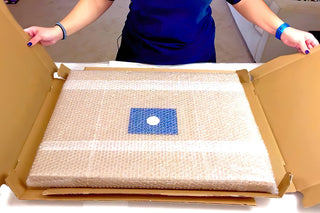
STEP 2 - SHIPPING
We ship your order. We send you an email to track the progress

STEP 3 - DELIVERY
You receive your order. You can also, according to your choice, be delivered to a relay point.
Matte finish
View from behind
Frame (optional)
Portrait of Heyman Dullaert - Philip Koninck – Captivating Introduction
The "Portrait of Heyman Dullaert" by Philip Koninck is an iconic 17th-century artwork that captures not only the physical appearance of its subject but also the very essence of the era in which it was created. In this painting, Dullaert's penetrating gaze seems to transcend time, inviting the viewer to delve into the subtleties of his character and social status. Koninck's art, both realistic and rich in symbolism, reveals the nuances of a society in full transformation, where the individual begins to stand out in art. The art print of this work allows for rediscovering a key moment in art history, while offering a window into the intimacy of a man whose portrait bears witness to a rich and complex life.
Style and uniqueness of the work
Philip Koninck's style is characterized by striking realism and meticulous attention to detail. In the "Portrait of Heyman Dullaert," each brushstroke appears deliberate, with every shadow and light playing a crucial role in the composition. The texture of the clothing, the softness of the skin, as well as the facial expression are rendered with such precision that the viewer cannot help but feel an emotional connection with the subject. The color palette chosen by the artist, oscillating between warm and cool tones, accentuates the introspective nature of the scene. This portrait is not limited to a simple physical representation; it is a psychological exploration, an invitation to understand Dullaert's personality through the subtleties of his expression and posture. Mastery of lighting and shadows, typical of the baroque style, gives the work depth and dimension, making it a true masterpiece.
The artist and his influence
Philip Koninck, considered one of the masters of Dutch painting, left his mark on his era with his innovative approach to portraiture. Trained in the context of the Netherlands in the 17th century, he was influenced by the great masters of his time, while developing a style that is uniquely his own. His work bears witness to a period when portrait painting became a means of expression.
12,34 €