
Portrait Painting of Gustave Worms 1836-1910 member of the Comédie-Française - Théobald Chartran | Art print


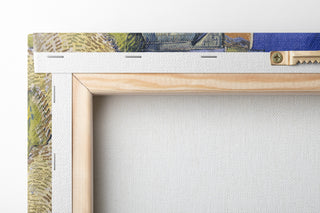
View from behind
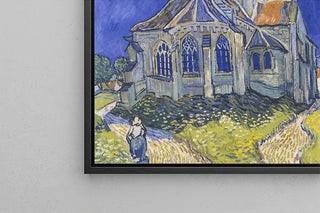
Frame (optional)
Portrait of Gustave Worms 1836-1910, member of the Comédie-Française - Théobald Chartran – Captivating introduction
Art has this incredible ability to capture moments, emotions, and personalities in a way that transcends time. The "Portrait of Gustave Worms 1836-1910, member of the Comédie-Française" by Théobald Chartran is a perfect example. This painting, depicting a man whose life was dedicated to dramatic art, invites us to delve into the theatrical universe of the early 20th century. Through Worms's penetrating gaze, the work speaks of passion, dedication, and the magic of theater. Chartran, as an artist, manages to immortalize not only his subject's physical appearance but also his very essence, thus creating a timeless connection between the viewer and the character.
Style and uniqueness of the work
Chartran's style is distinguished by his ability to blend realism and elegance. In this portrait, the meticulous details of Worms's face, as well as the play of light highlighting his features, demonstrate impressive technical mastery. The chosen colors, both rich and nuanced, evoke an intimate, almost theatrical atmosphere. The background, simple and harmonious, allows the focus to remain on the subject while adding depth that enriches the composition. Chartran, through his approach, succeeds in bringing his model to life, highlighting not only his artistic stature but also his humanity. This portrait is not limited to a simple representation: it becomes a visual story, an invitation to explore the life and contributions of a man to the world of theater.
The artist and his influence
Théobald Chartran, born in 1849, was a French painter whose work is rooted in the tradition of academic portraits. Trained at the École des Beaux-Arts, he built a solid reputation thanks to his talent for capturing the soul of his subjects. Chartran interacted with many personalities of his time, and his work is marked by a deep understanding of human psychology. By painting iconic figures from the artistic and cultural world, he helped shape the image of the
Portrait Painting of Gustave Worms 1836-1910 member of the Comédie-Française - Théobald Chartran | Art print

-10% FROM €95 IN PURCHASES
-15% FROM €195 IN PURCHASES
Regular price
- Unit price
- per
Tax included.
Free shipping
€4.90 / Free shipping on orders over €39
Satisfied or Money Back
Free returns within 30 days
10-year warranty
Our prints are guaranteed for 10 years
Any questions? We are here!
by email to contact@artemlegrand.com
THE STEPS OF YOUR ORDER

STEP 1 - ORDER PLACED
Your order has been confirmed and we are starting production
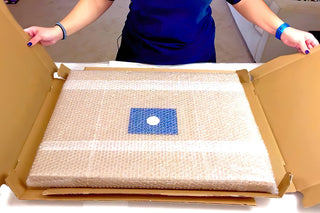
STEP 2 - SHIPPING
We ship your order. We send you an email to track the progress

STEP 3 - DELIVERY
You receive your order. You can also, according to your choice, be delivered to a relay point.
Matte finish
View from behind
Frame (optional)
Portrait of Gustave Worms 1836-1910, member of the Comédie-Française - Théobald Chartran – Captivating introduction
Art has this incredible ability to capture moments, emotions, and personalities in a way that transcends time. The "Portrait of Gustave Worms 1836-1910, member of the Comédie-Française" by Théobald Chartran is a perfect example. This painting, depicting a man whose life was dedicated to dramatic art, invites us to delve into the theatrical universe of the early 20th century. Through Worms's penetrating gaze, the work speaks of passion, dedication, and the magic of theater. Chartran, as an artist, manages to immortalize not only his subject's physical appearance but also his very essence, thus creating a timeless connection between the viewer and the character.
Style and uniqueness of the work
Chartran's style is distinguished by his ability to blend realism and elegance. In this portrait, the meticulous details of Worms's face, as well as the play of light highlighting his features, demonstrate impressive technical mastery. The chosen colors, both rich and nuanced, evoke an intimate, almost theatrical atmosphere. The background, simple and harmonious, allows the focus to remain on the subject while adding depth that enriches the composition. Chartran, through his approach, succeeds in bringing his model to life, highlighting not only his artistic stature but also his humanity. This portrait is not limited to a simple representation: it becomes a visual story, an invitation to explore the life and contributions of a man to the world of theater.
The artist and his influence
Théobald Chartran, born in 1849, was a French painter whose work is rooted in the tradition of academic portraits. Trained at the École des Beaux-Arts, he built a solid reputation thanks to his talent for capturing the soul of his subjects. Chartran interacted with many personalities of his time, and his work is marked by a deep understanding of human psychology. By painting iconic figures from the artistic and cultural world, he helped shape the image of the
12,34 €