
Portrait of Guillaume Frédéric, Count of Nassau-Dietz - Wybrand de Geest | Art print


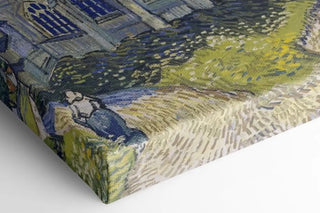
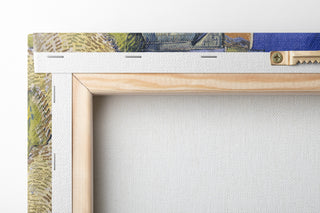
View from behind
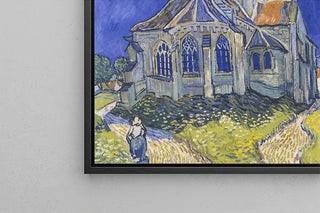
Frame (optional)
Portrait of Guillaume Frédéric, Count of Nassau-Dietz - Wybrand de Geest – Engaging Introduction
In the vast panorama of art history, certain works stand out for their ability to capture the essence of a particular era and individual. The "Portrait of Guillaume Frédéric, Count of Nassau-Dietz" by Wybrand de Geest is a striking example. This painting, which evokes both power and delicacy, transports the viewer to the heart of the 17th century—a period rich in political upheavals and artistic innovations. Through this portrait, the artist does not merely depict a man; he immortalizes an iconic figure, a noble whose status is reinforced by the virtuosity of the pictorial technique employed. Contemplating this work, one feels a timeless connection to Dutch history and culture.
Style and uniqueness of the work
Wybrand de Geest's style is characterized by a meticulous approach and a keen sense of detail, which are evident in every brushstroke of this portrait. Light plays a crucial role, illuminating the count's face and creating a striking contrast with the shadows that envelop his richly adorned costume. This interplay of light and shadow gives the piece a fascinating depth, while emphasizing the subject's features. The count's posture, upright and confident, reflects his dignity and authority, while his gaze, both penetrating and thoughtful, seems to invite the viewer to delve into his thoughts. The color palette chosen by the artist, dominated by warm and earthy tones, enhances the atmosphere of nobility and refinement. Every element, from the drapery of his clothing to the details of his accessories, is carefully orchestrated to create a visual harmony that transcends a simple portrait.
The artist and his influence
Wybrand de Geest, born at the end of the 16th century, is often regarded as one of the masters of Dutch portraiture. His training with prominent artists of his time allowed him to acquire exceptional technique, which he skillfully adapted to his own style. De Geest is recognized for his ability to capture not only the physical appearance of his
Portrait of Guillaume Frédéric, Count of Nassau-Dietz - Wybrand de Geest | Art print

-10% FROM €95 IN PURCHASES
-15% FROM €195 IN PURCHASES
Regular price
- Unit price
- per
Tax included.
Free shipping
€4.90 / Free shipping on orders over €39
Satisfied or Money Back
Free returns within 30 days
10-year warranty
Our prints are guaranteed for 10 years
Any questions? We are here!
by email to contact@artemlegrand.com
THE STEPS OF YOUR ORDER

STEP 1 - ORDER PLACED
Your order has been confirmed and we are starting production
STEP 2 - SHIPPING
We ship your order. We send you an email to track the progress

STEP 3 - DELIVERY
You receive your order. You can also, according to your choice, be delivered to a relay point.
Matte finish
View from behind
Frame (optional)
Portrait of Guillaume Frédéric, Count of Nassau-Dietz - Wybrand de Geest – Engaging Introduction
In the vast panorama of art history, certain works stand out for their ability to capture the essence of a particular era and individual. The "Portrait of Guillaume Frédéric, Count of Nassau-Dietz" by Wybrand de Geest is a striking example. This painting, which evokes both power and delicacy, transports the viewer to the heart of the 17th century—a period rich in political upheavals and artistic innovations. Through this portrait, the artist does not merely depict a man; he immortalizes an iconic figure, a noble whose status is reinforced by the virtuosity of the pictorial technique employed. Contemplating this work, one feels a timeless connection to Dutch history and culture.
Style and uniqueness of the work
Wybrand de Geest's style is characterized by a meticulous approach and a keen sense of detail, which are evident in every brushstroke of this portrait. Light plays a crucial role, illuminating the count's face and creating a striking contrast with the shadows that envelop his richly adorned costume. This interplay of light and shadow gives the piece a fascinating depth, while emphasizing the subject's features. The count's posture, upright and confident, reflects his dignity and authority, while his gaze, both penetrating and thoughtful, seems to invite the viewer to delve into his thoughts. The color palette chosen by the artist, dominated by warm and earthy tones, enhances the atmosphere of nobility and refinement. Every element, from the drapery of his clothing to the details of his accessories, is carefully orchestrated to create a visual harmony that transcends a simple portrait.
The artist and his influence
Wybrand de Geest, born at the end of the 16th century, is often regarded as one of the masters of Dutch portraiture. His training with prominent artists of his time allowed him to acquire exceptional technique, which he skillfully adapted to his own style. De Geest is recognized for his ability to capture not only the physical appearance of his
12,34 €