
Painting Portrait of George Vernon Hudson - Mary Elizabeth Tripe | Art print


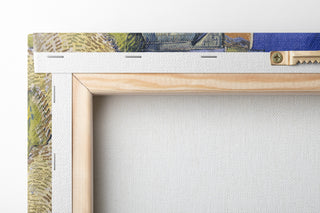
View from behind
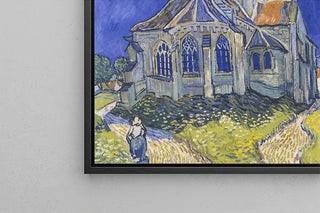
Frame (optional)
Portrait of George Vernon Hudson - Mary Elizabeth Tripe – Captivating Introduction
In the vast panorama of art history, some works manage to capture not only the appearance of an individual but also the very essence of their being. The "Portrait of George Vernon Hudson" by Mary Elizabeth Tripe is one of those creations that transcend the simple frame of representation. This portrait, a true window into the past, invites us to delve into the universe of a man whose face is imbued with wisdom and mystery. The delicacy of the features and the depth of the gaze transport us to an era where art was a privileged means of expression, revealing not only the subject's identity but also the aspirations of a world in full transformation.
Style and uniqueness of the work
Mary Elizabeth Tripe, through this portrait, displays technical mastery and sensitivity that are uniquely her own. The composition is both classic and daring, skillfully blending elements of realism with touches of romanticism. The colors, subtly chosen, evoke an atmosphere that is both intimate and solemn. The play of shadow and light, carefully orchestrated, highlights the contours of George Vernon Hudson's face, thus emphasizing his natural charisma. This portrait is not merely a simple representation; it becomes a dialogue between the artist and the viewer, an invitation to discover the stories hidden behind each brushstroke. Tripe succeeds in immortalizing a fleeting expression, making the work timeless and captivating.
The artist and her influence
Mary Elizabeth Tripe, an emblematic figure of the 19th century, knew how to carve out a place in an artistic world dominated by men. Her journey was marked by challenges but also by successes that testify to her undeniable talent. Influenced by the artistic movements of her time, she managed to combine tradition and innovation, creating a style that is uniquely her own. Her work on the portrait of George Vernon Hudson perfectly illustrates this duality. By choosing to depict a man whose gaze seems to scrutinize the soul, Tripe reminds us of the importance of psychology in art. She encourages us to reflect on human nature, on emotions, and on the stories that each face can tell. Her influence endures, inspiring
Painting Portrait of George Vernon Hudson - Mary Elizabeth Tripe | Art print

-10% FROM €95 IN PURCHASES
-15% FROM €195 IN PURCHASES
Regular price
- Unit price
- per
Tax included.
Free shipping
€4.90 / Free shipping on orders over €39
Satisfied or Money Back
Free returns within 30 days
10-year warranty
Our prints are guaranteed for 10 years
Any questions? We are here!
by email to contact@artemlegrand.com
THE STEPS OF YOUR ORDER

STEP 1 - ORDER PLACED
Your order has been confirmed and we are starting production
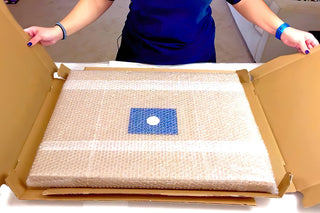
STEP 2 - SHIPPING
We ship your order. We send you an email to track the progress

STEP 3 - DELIVERY
You receive your order. You can also, according to your choice, be delivered to a relay point.
Matte finish
View from behind
Frame (optional)
Portrait of George Vernon Hudson - Mary Elizabeth Tripe – Captivating Introduction
In the vast panorama of art history, some works manage to capture not only the appearance of an individual but also the very essence of their being. The "Portrait of George Vernon Hudson" by Mary Elizabeth Tripe is one of those creations that transcend the simple frame of representation. This portrait, a true window into the past, invites us to delve into the universe of a man whose face is imbued with wisdom and mystery. The delicacy of the features and the depth of the gaze transport us to an era where art was a privileged means of expression, revealing not only the subject's identity but also the aspirations of a world in full transformation.
Style and uniqueness of the work
Mary Elizabeth Tripe, through this portrait, displays technical mastery and sensitivity that are uniquely her own. The composition is both classic and daring, skillfully blending elements of realism with touches of romanticism. The colors, subtly chosen, evoke an atmosphere that is both intimate and solemn. The play of shadow and light, carefully orchestrated, highlights the contours of George Vernon Hudson's face, thus emphasizing his natural charisma. This portrait is not merely a simple representation; it becomes a dialogue between the artist and the viewer, an invitation to discover the stories hidden behind each brushstroke. Tripe succeeds in immortalizing a fleeting expression, making the work timeless and captivating.
The artist and her influence
Mary Elizabeth Tripe, an emblematic figure of the 19th century, knew how to carve out a place in an artistic world dominated by men. Her journey was marked by challenges but also by successes that testify to her undeniable talent. Influenced by the artistic movements of her time, she managed to combine tradition and innovation, creating a style that is uniquely her own. Her work on the portrait of George Vernon Hudson perfectly illustrates this duality. By choosing to depict a man whose gaze seems to scrutinize the soul, Tripe reminds us of the importance of psychology in art. She encourages us to reflect on human nature, on emotions, and on the stories that each face can tell. Her influence endures, inspiring
12,34 €