
Portrait of Dom João VI - Simplício Rodrigues de Sá | Art print


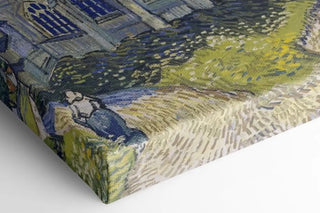
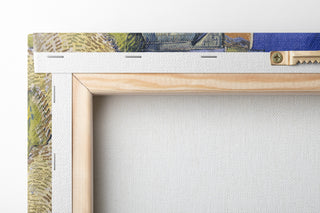
View from behind
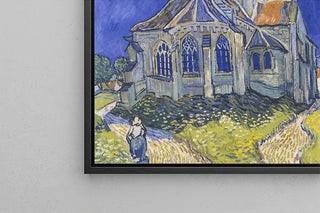
Frame (optional)
Portrait of Dom João VI - Simplício Rodrigues de Sá – Captivating Introduction
The "Portrait of Dom João VI" by Simplício Rodrigues de Sá is an iconic work that transcends the simple frame of a portrait to become part of the history of a Portugal in full transformation. Created in the early 19th century, this painting bears witness to the political upheavals and the aspirations of a nation seeking its identity. In this artwork, the king stands with majestic presence, reflecting both his power and vulnerability. The delicate light caressing his face and the meticulous details of his royal attire invite the viewer to immerse themselves in an era where art was a vehicle for communicating the ideals of a kingdom.
Style and uniqueness of the work
Simplício Rodrigues de Sá's style is characterized by a blend of realism and symbolism. In this portrait, the composition is carefully orchestrated, with each element contributing to the visual narrative. The colors, rich and deep, evoke nobility and dignity, while the king's gaze, both penetrating and contemplative, seems to question the viewer about the challenges of his reign. The texture of the clothing, rendered with remarkable precision, demonstrates exceptional craftsmanship, while the dark background highlights the central figure, emphasizing its importance. This play of light and shadow, typical of the baroque movement, gives the artwork psychological depth that invites reflection on the role of the monarch in history.
The artist and his influence
Simplício Rodrigues de Sá, though less known than some of his contemporaries, managed to leave his mark on his era through his technical mastery and artistic sensitivity. Born in Portugal, he was influenced by European artistic currents, notably neoclassicism and romanticism, which shaped his worldview. His commitment to capturing the essence of his subjects, whether royal or ordinary, reflects a desire to make history accessible and lively. Through his works, he contributed to the construction of a collective memory, offering future generations a perspective on the figures who shaped the destiny of the nation. His ability to blend tradition and modernity makes him an essential artist in the history of Portuguese art.
Portrait of Dom João VI - Simplício Rodrigues de Sá | Art print

-10% FROM €95 IN PURCHASES
-15% FROM €195 IN PURCHASES
Regular price
- Unit price
- per
Tax included.
Free shipping
€4.90 / Free shipping on orders over €39
Satisfied or Money Back
Free returns within 30 days
10-year warranty
Our prints are guaranteed for 10 years
Any questions? We are here!
by email to contact@artemlegrand.com
THE STEPS OF YOUR ORDER

STEP 1 - ORDER PLACED
Your order has been confirmed and we are starting production
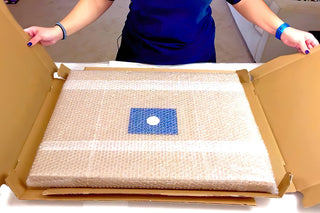
STEP 2 - SHIPPING
We ship your order. We send you an email to track the progress

STEP 3 - DELIVERY
You receive your order. You can also, according to your choice, be delivered to a relay point.
Matte finish
View from behind
Frame (optional)
Portrait of Dom João VI - Simplício Rodrigues de Sá – Captivating Introduction
The "Portrait of Dom João VI" by Simplício Rodrigues de Sá is an iconic work that transcends the simple frame of a portrait to become part of the history of a Portugal in full transformation. Created in the early 19th century, this painting bears witness to the political upheavals and the aspirations of a nation seeking its identity. In this artwork, the king stands with majestic presence, reflecting both his power and vulnerability. The delicate light caressing his face and the meticulous details of his royal attire invite the viewer to immerse themselves in an era where art was a vehicle for communicating the ideals of a kingdom.
Style and uniqueness of the work
Simplício Rodrigues de Sá's style is characterized by a blend of realism and symbolism. In this portrait, the composition is carefully orchestrated, with each element contributing to the visual narrative. The colors, rich and deep, evoke nobility and dignity, while the king's gaze, both penetrating and contemplative, seems to question the viewer about the challenges of his reign. The texture of the clothing, rendered with remarkable precision, demonstrates exceptional craftsmanship, while the dark background highlights the central figure, emphasizing its importance. This play of light and shadow, typical of the baroque movement, gives the artwork psychological depth that invites reflection on the role of the monarch in history.
The artist and his influence
Simplício Rodrigues de Sá, though less known than some of his contemporaries, managed to leave his mark on his era through his technical mastery and artistic sensitivity. Born in Portugal, he was influenced by European artistic currents, notably neoclassicism and romanticism, which shaped his worldview. His commitment to capturing the essence of his subjects, whether royal or ordinary, reflects a desire to make history accessible and lively. Through his works, he contributed to the construction of a collective memory, offering future generations a perspective on the figures who shaped the destiny of the nation. His ability to blend tradition and modernity makes him an essential artist in the history of Portuguese art.
12,34 €