
Portrait painting of Count Andreas Hadik von Futak 1710-1790 with the star of the Military Order of Maria Theresa on the chest - Georg Weikert | Art print


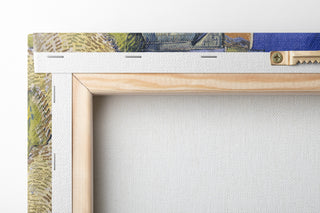
View from behind
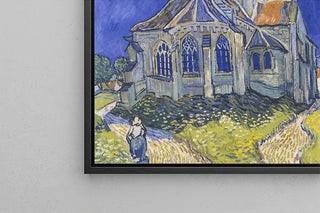
Frame (optional)
Portrait of Count Andreas Hadik von Futak 1710-1790 with the Star of the Military Order of Maria Theresa on the chest - Georg Weikert – Captivating Introduction
In the vibrant panorama of 18th-century art, the portrait of Count Andreas Hadik von Futak, created by Georg Weikert, stands out as an emblematic work that transcends mere representation. This piece, rich in detail and symbolism, immerses us in the world of Austrian nobility, at a time when art served not only to immortalize prominent figures of society but also to affirm their power and status. The presence of the star of the Military Order of Maria Theresa, adorning the count's chest, evokes bravery and merit, while also revealing the values of the era. This portrait, a true testament to a bygone age, invites us to explore the subtleties of aristocratic life and the codes of honor.
Style and uniqueness of the work
Georg Weikert's style is characterized by striking realism and meticulous attention to detail, which give his portraits a rare emotional depth. In this work, light plays a crucial role, illuminating the count's face and highlighting the rich textures of his attire, while creating a contrast with the dark background. The colors, carefully chosen, evoke the richness of materials and fabrics of the period, while the majestic pose of the count, slightly turned, suggests both authority and approachability. Every element of the composition, from the shimmering star to the contemplative expression of the subject, contributes to creating an atmosphere of dignity and respect. This stylistic singularity makes the portrait not only a representation but also a true visual statement on power and heritage.
The artist and his influence
Georg Weikert, a German-born painter, managed to establish himself in the Austrian artistic landscape of the 18th century thanks to his ability to capture the very essence of his subjects. Trained in the traditions of classical portraiture, he combined technique and sensitivity, offering his contemporaries works that speak beyond time. His influence is evident not only in the quality
Portrait painting of Count Andreas Hadik von Futak 1710-1790 with the star of the Military Order of Maria Theresa on the chest - Georg Weikert | Art print

-10% FROM €95 IN PURCHASES
-15% FROM €195 IN PURCHASES
Regular price
- Unit price
- per
Tax included.
Free shipping
€4.90 / Free shipping on orders over €39
Satisfied or Money Back
Free returns within 30 days
10-year warranty
Our prints are guaranteed for 10 years
Any questions? We are here!
by email to contact@artemlegrand.com
THE STEPS OF YOUR ORDER

STEP 1 - ORDER PLACED
Your order has been confirmed and we are starting production
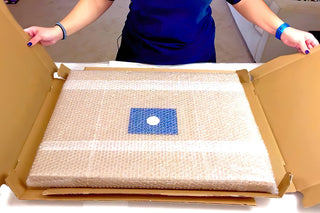
STEP 2 - SHIPPING
We ship your order. We send you an email to track the progress

STEP 3 - DELIVERY
You receive your order. You can also, according to your choice, be delivered to a relay point.
Matte finish
View from behind
Frame (optional)
Portrait of Count Andreas Hadik von Futak 1710-1790 with the Star of the Military Order of Maria Theresa on the chest - Georg Weikert – Captivating Introduction
In the vibrant panorama of 18th-century art, the portrait of Count Andreas Hadik von Futak, created by Georg Weikert, stands out as an emblematic work that transcends mere representation. This piece, rich in detail and symbolism, immerses us in the world of Austrian nobility, at a time when art served not only to immortalize prominent figures of society but also to affirm their power and status. The presence of the star of the Military Order of Maria Theresa, adorning the count's chest, evokes bravery and merit, while also revealing the values of the era. This portrait, a true testament to a bygone age, invites us to explore the subtleties of aristocratic life and the codes of honor.
Style and uniqueness of the work
Georg Weikert's style is characterized by striking realism and meticulous attention to detail, which give his portraits a rare emotional depth. In this work, light plays a crucial role, illuminating the count's face and highlighting the rich textures of his attire, while creating a contrast with the dark background. The colors, carefully chosen, evoke the richness of materials and fabrics of the period, while the majestic pose of the count, slightly turned, suggests both authority and approachability. Every element of the composition, from the shimmering star to the contemplative expression of the subject, contributes to creating an atmosphere of dignity and respect. This stylistic singularity makes the portrait not only a representation but also a true visual statement on power and heritage.
The artist and his influence
Georg Weikert, a German-born painter, managed to establish himself in the Austrian artistic landscape of the 18th century thanks to his ability to capture the very essence of his subjects. Trained in the traditions of classical portraiture, he combined technique and sensitivity, offering his contemporaries works that speak beyond time. His influence is evident not only in the quality
12,34 €