
Portrait Painting of Charles-Louis-Auguste Fouquet, Duke of Belle-Isle 1684-1761 Marshal of France - Maurice Quentin de La Tour | Art print


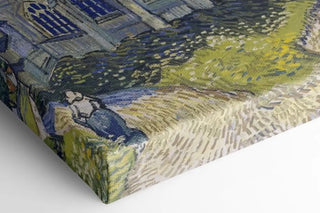
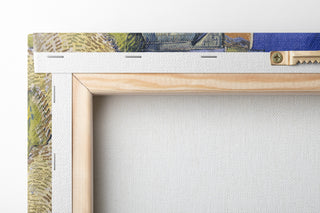
View from behind
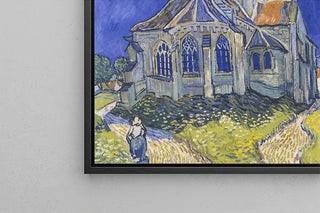
Frame (optional)
Portrait of Charles-Louis-Auguste Fouquet, Duke of Belle-Isle, 1684-1761, Marshal of France - Maurice Quentin de La Tour – Engaging Introduction
In the captivating world of 18th-century art, the portrait of Charles-Louis-Auguste Fouquet, Duke of Belle-Isle, stands out for its elegance and psychological depth. Created by Maurice Quentin de La Tour, this piece not only demonstrates the artist's technical virtuosity but also highlights the historical significance of the depicted figure. The Duke of Belle-Isle, Marshal of France, embodies an ideal of military nobility and intellectual refinement. This portrait, both intimate and solemn, invites us to explore the nuances of a man whose life was marked by tumultuous events and decisive strategic choices.
Style and uniqueness of the work
Maurice Quentin de La Tour's style is characterized by a realistic approach and meticulous attention to detail. In this portrait, the face of the Duke of Belle-Isle is rendered with remarkable precision, each feature revealing a complex personality. The light, skillfully manipulated, accentuates the contours of the face and creates an almost tangible atmosphere. The colors, carefully chosen, reflect the richness and status of the model, while also imparting a human dimension to the work. The Duke's posture, both dignified and relaxed, suggests a self-confidence that transcends eras. La Tour manages to capture not only the physical appearance of his subject but also his essence, offering a vision of nobility in full transformation.
The artist and his influence
Maurice Quentin de La Tour, an emblematic figure of French painting, distinguished himself through his unique talent and innovative approach to portraiture. Trained within the artistic context of 18th-century France, he integrated influences from his contemporaries while developing a personal style. His ability to convey emotions and character through painting inspired many artists, making him a pioneer in the field of art print. La Tour also played a crucial role in redefining aristocratic portraiture, emphasizing the psychology of the subject rather than a simple static representation. This approach paved the way for generations of artists who followed his
Portrait Painting of Charles-Louis-Auguste Fouquet, Duke of Belle-Isle 1684-1761 Marshal of France - Maurice Quentin de La Tour | Art print

-10% FROM €95 IN PURCHASES
-15% FROM €195 IN PURCHASES
Regular price
- Unit price
- per
Tax included.
Free shipping
€4.90 / Free shipping on orders over €39
Satisfied or Money Back
Free returns within 30 days
10-year warranty
Our prints are guaranteed for 10 years
Any questions? We are here!
by email to contact@artemlegrand.com
THE STEPS OF YOUR ORDER
STEP 1 - ORDER PLACED
Your order has been confirmed and we are starting production
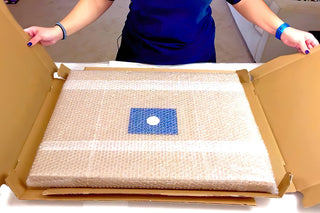
STEP 2 - SHIPPING
We ship your order. We send you an email to track the progress

STEP 3 - DELIVERY
You receive your order. You can also, according to your choice, be delivered to a relay point.
Matte finish
View from behind
Frame (optional)
Portrait of Charles-Louis-Auguste Fouquet, Duke of Belle-Isle, 1684-1761, Marshal of France - Maurice Quentin de La Tour – Engaging Introduction
In the captivating world of 18th-century art, the portrait of Charles-Louis-Auguste Fouquet, Duke of Belle-Isle, stands out for its elegance and psychological depth. Created by Maurice Quentin de La Tour, this piece not only demonstrates the artist's technical virtuosity but also highlights the historical significance of the depicted figure. The Duke of Belle-Isle, Marshal of France, embodies an ideal of military nobility and intellectual refinement. This portrait, both intimate and solemn, invites us to explore the nuances of a man whose life was marked by tumultuous events and decisive strategic choices.
Style and uniqueness of the work
Maurice Quentin de La Tour's style is characterized by a realistic approach and meticulous attention to detail. In this portrait, the face of the Duke of Belle-Isle is rendered with remarkable precision, each feature revealing a complex personality. The light, skillfully manipulated, accentuates the contours of the face and creates an almost tangible atmosphere. The colors, carefully chosen, reflect the richness and status of the model, while also imparting a human dimension to the work. The Duke's posture, both dignified and relaxed, suggests a self-confidence that transcends eras. La Tour manages to capture not only the physical appearance of his subject but also his essence, offering a vision of nobility in full transformation.
The artist and his influence
Maurice Quentin de La Tour, an emblematic figure of French painting, distinguished himself through his unique talent and innovative approach to portraiture. Trained within the artistic context of 18th-century France, he integrated influences from his contemporaries while developing a personal style. His ability to convey emotions and character through painting inspired many artists, making him a pioneer in the field of art print. La Tour also played a crucial role in redefining aristocratic portraiture, emphasizing the psychology of the subject rather than a simple static representation. This approach paved the way for generations of artists who followed his
12,34 €