
Painting Portrait of Charles Hodge - Rembrandt Peale | Art print


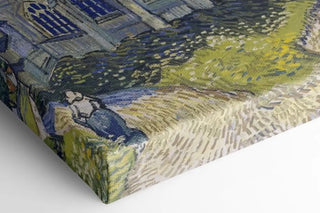
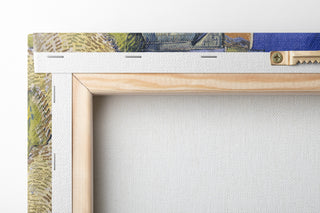
View from behind
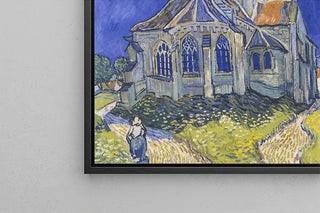
Frame (optional)
Art print Portrait of Charles Hodge - Rembrandt Peale – Captivating Introduction
The "Portrait of Charles Hodge" by Rembrandt Peale is a work that transcends the simple frame of a portrait to become a true window into the human soul. Created in the early 19th century, this painting stands out for its ability to capture not only the physical features of the subject, Charles Hodge, but also the depth of his character and thoughts. This portrait, imbued with timeless elegance, invites the viewer to reflect on Hodge's personality while offering a meditation on the art of representation. Peale's mastery in portrait art is evident, and the work serves as both a tribute to the individual and to the spirit of his era.
Style and uniqueness of the work
Rembrandt Peale's style is characterized by remarkable finesse in rendering textures and lights. In this portrait, the artist uses a subtle palette that highlights the nuances of skin and clothing, creating an atmosphere of realism and depth. The play of shadow and light, typical of chiaroscuro, adds an almost sculptural dimension to Hodge's face, emphasizing his features while suggesting a certain introspection. Every detail, from the contemplative gaze to the folds of the costume, is carefully crafted to convey an impression of liveliness and authenticity. This portrait does not merely depict a man but also evokes a period—the era of intellectual and cultural growth in the United States in the early 19th century—where Hodge, as a theologian and intellectual, holds a prominent place.
The artist and his influence
Rembrandt Peale, son of the renowned painter Charles Willson Peale, established himself as one of the leading names in American portraiture. His artistic training, influenced by European masters, allowed him to develop a personal style that combines tradition and innovation. Peale not only contributed to the popularization of portraiture in America but also played a key role in documenting the prominent figures of his time. His approach to portraiture, focused on the psychology of the subject, paved the way for many artists who followed. Peale's ability to capture the essence
Painting Portrait of Charles Hodge - Rembrandt Peale | Art print

-10% FROM €95 IN PURCHASES
-15% FROM €195 IN PURCHASES
Regular price
- Unit price
- per
Tax included.
Free shipping
€4.90 / Free shipping on orders over €39
Satisfied or Money Back
Free returns within 30 days
10-year warranty
Our prints are guaranteed for 10 years
Any questions? We are here!
by email to contact@artemlegrand.com
THE STEPS OF YOUR ORDER

STEP 1 - ORDER PLACED
Your order has been confirmed and we are starting production
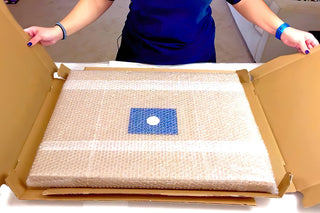
STEP 2 - SHIPPING
We ship your order. We send you an email to track the progress

STEP 3 - DELIVERY
You receive your order. You can also, according to your choice, be delivered to a relay point.
Matte finish
View from behind
Frame (optional)
Art print Portrait of Charles Hodge - Rembrandt Peale – Captivating Introduction
The "Portrait of Charles Hodge" by Rembrandt Peale is a work that transcends the simple frame of a portrait to become a true window into the human soul. Created in the early 19th century, this painting stands out for its ability to capture not only the physical features of the subject, Charles Hodge, but also the depth of his character and thoughts. This portrait, imbued with timeless elegance, invites the viewer to reflect on Hodge's personality while offering a meditation on the art of representation. Peale's mastery in portrait art is evident, and the work serves as both a tribute to the individual and to the spirit of his era.
Style and uniqueness of the work
Rembrandt Peale's style is characterized by remarkable finesse in rendering textures and lights. In this portrait, the artist uses a subtle palette that highlights the nuances of skin and clothing, creating an atmosphere of realism and depth. The play of shadow and light, typical of chiaroscuro, adds an almost sculptural dimension to Hodge's face, emphasizing his features while suggesting a certain introspection. Every detail, from the contemplative gaze to the folds of the costume, is carefully crafted to convey an impression of liveliness and authenticity. This portrait does not merely depict a man but also evokes a period—the era of intellectual and cultural growth in the United States in the early 19th century—where Hodge, as a theologian and intellectual, holds a prominent place.
The artist and his influence
Rembrandt Peale, son of the renowned painter Charles Willson Peale, established himself as one of the leading names in American portraiture. His artistic training, influenced by European masters, allowed him to develop a personal style that combines tradition and innovation. Peale not only contributed to the popularization of portraiture in America but also played a key role in documenting the prominent figures of his time. His approach to portraiture, focused on the psychology of the subject, paved the way for many artists who followed. Peale's ability to capture the essence
12,34 €