
Painting Portrait of Boniface Amerbach - Jacob Clauser | Art print


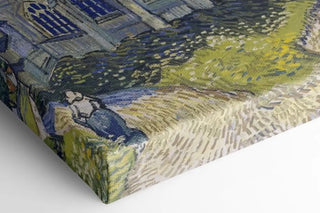
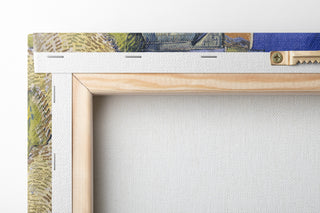
View from behind
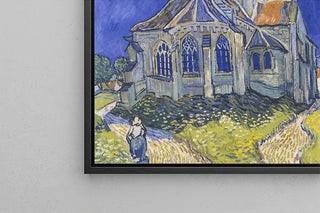
Frame (optional)
Portrait of Boniface Amerbach - Jacob Clauser – Captivating Introduction
In the fascinating world of art, some works transcend the mere frame to become living witnesses of their era. The "Portrait of Boniface Amerbach" by Jacob Clauser fits into this tradition. Created in the 16th century, this art print is not limited to a static representation; it evokes the character and personality of its subject through remarkable technical mastery. By contemplating this piece, the viewer is invited to engage in a timeless dialogue, where each brushstroke seems to whisper forgotten stories. This portrait, emblematic of the Renaissance, embodies the spirit of a time when individualism and the pursuit of knowledge flourished.
Style and uniqueness of the work
Jacob Clauser's style is infused with the influences of his time, while maintaining a distinctiveness that is uniquely his own. In the "Portrait of Boniface Amerbach," one observes meticulous attention to detail, an essential characteristic of Renaissance art. The nuances of color, the interplay of light and shadow, as well as the texture of the clothing, testify to exceptional skill. Boniface Amerbach's posture, slightly in profile, adds dynamism to the composition, while allowing the viewer to focus on the delicate features of his face. The eyes, strikingly realistic, seem to follow the observer, creating an almost tangible connection between the artwork and its viewer. This art print is not merely a physical representation but also an exploration of the human soul, an invitation to discover the thoughts and emotions of its subject.
The artist and his influence
Jacob Clauser, less well-known than some of his contemporaries, nonetheless left his mark on his era through his innovative approach to portraiture. Trained in the wake of great masters of painting, he developed a style that combines tradition and modernity. His work influenced many artists, particularly in the field of portrait art, where he was able to capture not only appearance but also the essence of his subjects. Clauser is part of an artistic tradition that values individuality, a fundamental aspect of the Renaissance. His commitment to representing the personality of his models paved the way for a new way of conceptualizing the art print, where the
Painting Portrait of Boniface Amerbach - Jacob Clauser | Art print

-10% FROM €95 IN PURCHASES
-15% FROM €195 IN PURCHASES
Regular price
- Unit price
- per
Tax included.
Free shipping
€4.90 / Free shipping on orders over €39
Satisfied or Money Back
Free returns within 30 days
10-year warranty
Our prints are guaranteed for 10 years
Any questions? We are here!
by email to contact@artemlegrand.com
THE STEPS OF YOUR ORDER

STEP 1 - ORDER PLACED
Your order has been confirmed and we are starting production
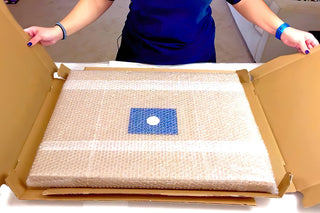
STEP 2 - SHIPPING
We ship your order. We send you an email to track the progress

STEP 3 - DELIVERY
You receive your order. You can also, according to your choice, be delivered to a relay point.
Matte finish
View from behind
Frame (optional)
Portrait of Boniface Amerbach - Jacob Clauser – Captivating Introduction
In the fascinating world of art, some works transcend the mere frame to become living witnesses of their era. The "Portrait of Boniface Amerbach" by Jacob Clauser fits into this tradition. Created in the 16th century, this art print is not limited to a static representation; it evokes the character and personality of its subject through remarkable technical mastery. By contemplating this piece, the viewer is invited to engage in a timeless dialogue, where each brushstroke seems to whisper forgotten stories. This portrait, emblematic of the Renaissance, embodies the spirit of a time when individualism and the pursuit of knowledge flourished.
Style and uniqueness of the work
Jacob Clauser's style is infused with the influences of his time, while maintaining a distinctiveness that is uniquely his own. In the "Portrait of Boniface Amerbach," one observes meticulous attention to detail, an essential characteristic of Renaissance art. The nuances of color, the interplay of light and shadow, as well as the texture of the clothing, testify to exceptional skill. Boniface Amerbach's posture, slightly in profile, adds dynamism to the composition, while allowing the viewer to focus on the delicate features of his face. The eyes, strikingly realistic, seem to follow the observer, creating an almost tangible connection between the artwork and its viewer. This art print is not merely a physical representation but also an exploration of the human soul, an invitation to discover the thoughts and emotions of its subject.
The artist and his influence
Jacob Clauser, less well-known than some of his contemporaries, nonetheless left his mark on his era through his innovative approach to portraiture. Trained in the wake of great masters of painting, he developed a style that combines tradition and modernity. His work influenced many artists, particularly in the field of portrait art, where he was able to capture not only appearance but also the essence of his subjects. Clauser is part of an artistic tradition that values individuality, a fundamental aspect of the Renaissance. His commitment to representing the personality of his models paved the way for a new way of conceptualizing the art print, where the
12,34 €