
Painting Portrait of Baron Knut Jönsson Kurck - Martin Mytens | Art print


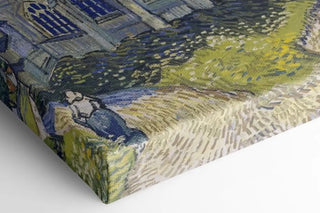
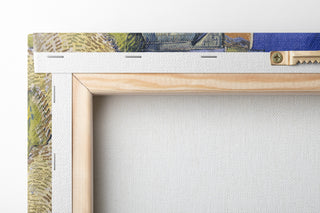
View from behind
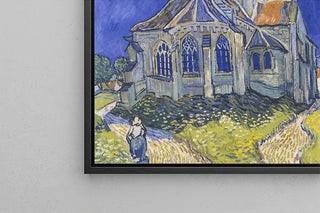
Frame (optional)
The art is a mirror that reflects not only beauty but also the history and culture of a particular era. The art print Portrait of Baron Knut Jönsson Kurck by Martin Mytens immerses us in the 17th century, a period marked by social and political upheavals across Europe. This painting, depicting the Swedish baron Knut Jönsson Kurck, invites viewers to explore the nuances of a time when portraiture was not only a means of personal glorification but also a tool of power. Mytens' work, with its meticulous details and skillful use of light, allows us to feel the aura of dignity surrounding the aristocratic figures of his time. Gazing at this portrait, one cannot help but wonder what stories lie behind this face, what battles have been fought, and what dreams have been nourished.
Style and uniqueness of the work
Martin Mytens' style is characterized by a realistic approach, where every detail is carefully observed and rendered. In the portrait of Baron Kurck, the artist plays with light and shadow to bring the canvas to life. The rich colors and delicate textures of the baron's clothing testify to Mytens' skill in capturing not only physical appearance but also the social status of his subject. The penetrating gaze of the baron, directed at the viewer, creates an almost intimate connection, as if time has paused to allow a silent conversation across the centuries. Elements of the composition, such as the dark background that accentuates the central figure, highlight the imposing stature of the character. This portrait is not merely a representation but a true declaration of the identity and power of a man in a society undergoing rapid change.
The artist and his influence
Martin Mytens, born in Sweden, established himself as one of the most prominent portraitists of his time. Trained within the artistic context of the late 16th century, he developed a style that combines tradition and innovation. His work influenced many contemporary artists, as well as those who followed, laying the foundations for a more introspective portraiture.
Painting Portrait of Baron Knut Jönsson Kurck - Martin Mytens | Art print

-10% FROM €95 IN PURCHASES
-15% FROM €195 IN PURCHASES
Regular price
- Unit price
- per
Tax included.
Free shipping
€4.90 / Free shipping on orders over €39
Satisfied or Money Back
Free returns within 30 days
10-year warranty
Our prints are guaranteed for 10 years
Any questions? We are here!
by email to contact@artemlegrand.com
THE STEPS OF YOUR ORDER

STEP 1 - ORDER PLACED
Your order has been confirmed and we are starting production
STEP 2 - SHIPPING
We ship your order. We send you an email to track the progress

STEP 3 - DELIVERY
You receive your order. You can also, according to your choice, be delivered to a relay point.
Matte finish
View from behind
Frame (optional)
The art is a mirror that reflects not only beauty but also the history and culture of a particular era. The art print Portrait of Baron Knut Jönsson Kurck by Martin Mytens immerses us in the 17th century, a period marked by social and political upheavals across Europe. This painting, depicting the Swedish baron Knut Jönsson Kurck, invites viewers to explore the nuances of a time when portraiture was not only a means of personal glorification but also a tool of power. Mytens' work, with its meticulous details and skillful use of light, allows us to feel the aura of dignity surrounding the aristocratic figures of his time. Gazing at this portrait, one cannot help but wonder what stories lie behind this face, what battles have been fought, and what dreams have been nourished.
Style and uniqueness of the work
Martin Mytens' style is characterized by a realistic approach, where every detail is carefully observed and rendered. In the portrait of Baron Kurck, the artist plays with light and shadow to bring the canvas to life. The rich colors and delicate textures of the baron's clothing testify to Mytens' skill in capturing not only physical appearance but also the social status of his subject. The penetrating gaze of the baron, directed at the viewer, creates an almost intimate connection, as if time has paused to allow a silent conversation across the centuries. Elements of the composition, such as the dark background that accentuates the central figure, highlight the imposing stature of the character. This portrait is not merely a representation but a true declaration of the identity and power of a man in a society undergoing rapid change.
The artist and his influence
Martin Mytens, born in Sweden, established himself as one of the most prominent portraitists of his time. Trained within the artistic context of the late 16th century, he developed a style that combines tradition and innovation. His work influenced many contemporary artists, as well as those who followed, laying the foundations for a more introspective portraiture.
12,34 €