
Portrait of Archduke Albert VII, Governor of the Spanish Netherlands (1559-1621) - Court painter of the Habsburgs | Art print


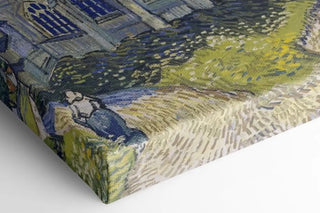
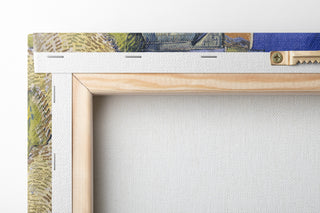
View from behind
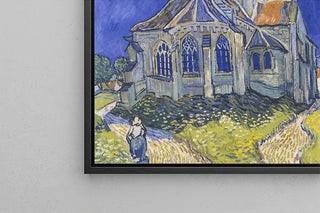
Frame (optional)
In the fascinating universe of art history, some works stand out for their ability to capture the essence of an era while revealing the personality of their subjects. The portrait of Archduke Albert VII, governor of the Spanish Netherlands, is one of these iconic pieces. Created by an artist of the Habsburg Court, this artwork embodies not only the power and dignity of its subject but also bears witness to the subtleties of the Baroque style that prevailed at the time. Contemplating this portrait, the viewer is transported to an era where art served as a reflection of political and social ambitions, while celebrating the grandeur of the figures who inhabited it.
Style and uniqueness of the artwork
The style of this portrait is distinguished by its striking realism and meticulous attention to detail. The painter manages to make the presence of the archduke palpable, using plays of light and shadow to emphasize facial features and the richness of clothing. The color palette, rich and deep, evokes both nobility and majesty, while the carefully orchestrated composition guides the viewer’s gaze through the elements of the painting. Every gesture, every accessory—from the pearl necklace to the sumptuous drapery—is designed to reinforce the image of power and refinement. This portrait is not limited to a simple representation; it is a visual declaration of the authority and social status of its subject, while offering a window into the values and aspirations of the society of its time.
The artist and his influence
The painter of the Habsburg Court who created this portrait was a master of his craft, whose work was influenced by the artistic currents of his era. Operating in an environment where art was intimately linked to politics, he knew how to use his talent to flatter and immortalize figures of power. His innovative approach to portraiture, combining realism and symbolism, left a lasting imprint on the art world. By incorporating narrative elements into his works, he was able to capture
Portrait of Archduke Albert VII, Governor of the Spanish Netherlands (1559-1621) - Court painter of the Habsburgs | Art print

-10% FROM €95 IN PURCHASES
-15% FROM €195 IN PURCHASES
Regular price
- Unit price
- per
Tax included.
Free shipping
€4.90 / Free shipping on orders over €39
Satisfied or Money Back
Free returns within 30 days
10-year warranty
Our prints are guaranteed for 10 years
Any questions? We are here!
by email to contact@artemlegrand.com
THE STEPS OF YOUR ORDER

STEP 1 - ORDER PLACED
Your order has been confirmed and we are starting production
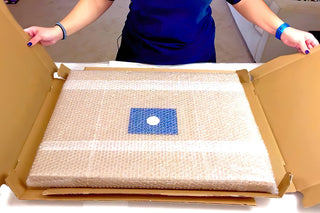
STEP 2 - SHIPPING
We ship your order. We send you an email to track the progress

STEP 3 - DELIVERY
You receive your order. You can also, according to your choice, be delivered to a relay point.
Matte finish
View from behind
Frame (optional)
In the fascinating universe of art history, some works stand out for their ability to capture the essence of an era while revealing the personality of their subjects. The portrait of Archduke Albert VII, governor of the Spanish Netherlands, is one of these iconic pieces. Created by an artist of the Habsburg Court, this artwork embodies not only the power and dignity of its subject but also bears witness to the subtleties of the Baroque style that prevailed at the time. Contemplating this portrait, the viewer is transported to an era where art served as a reflection of political and social ambitions, while celebrating the grandeur of the figures who inhabited it.
Style and uniqueness of the artwork
The style of this portrait is distinguished by its striking realism and meticulous attention to detail. The painter manages to make the presence of the archduke palpable, using plays of light and shadow to emphasize facial features and the richness of clothing. The color palette, rich and deep, evokes both nobility and majesty, while the carefully orchestrated composition guides the viewer’s gaze through the elements of the painting. Every gesture, every accessory—from the pearl necklace to the sumptuous drapery—is designed to reinforce the image of power and refinement. This portrait is not limited to a simple representation; it is a visual declaration of the authority and social status of its subject, while offering a window into the values and aspirations of the society of its time.
The artist and his influence
The painter of the Habsburg Court who created this portrait was a master of his craft, whose work was influenced by the artistic currents of his era. Operating in an environment where art was intimately linked to politics, he knew how to use his talent to flatter and immortalize figures of power. His innovative approach to portraiture, combining realism and symbolism, left a lasting imprint on the art world. By incorporating narrative elements into his works, he was able to capture
12,34 €