
Portrait of an Unknown Noble - Pietro Longhi | Art print


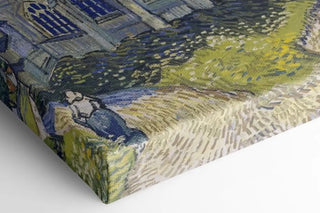
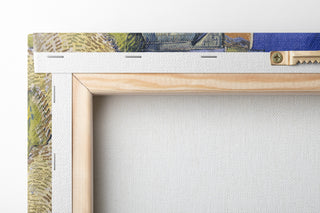
View from behind
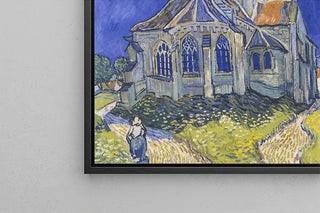
Frame (optional)
Within the heart of 18th-century Venetian art, the "Portrait of an Unknown Noble" by Pietro Longhi stands as a silent testament to the elegance and subtleties of a bygone era. This captivating painting, shrouded in mystery, invites viewers to immerse themselves in a world where every detail tells a story. The presence of a noble figure, whose identity remains unknown, raises questions about social representation and the significance of status in Venice of that time. Longhi, with his skill in capturing the nuances of aristocratic life, manages to transcend a simple portrait to offer a reflection on the individual and their environment.
Style and uniqueness of the work
Pietro Longhi's style is characterized by finesse and meticulous attention to detail. In this piece, he creates an atmosphere that is both intimate and distant, where the noble, dressed in a sumptuous outfit, appears both present and inaccessible. Delicate colors and play of light give the canvas a striking depth, emphasizing facial features while maintaining an aura of mystery. The character's slightly turned posture and contemplative gaze invite interpretation, allowing viewers to imagine the life and thoughts of this man whose identity remains a secret. The composition, balanced and harmonious, demonstrates Longhi's mastery, blending realism and idealization, making each portrait a true work of art.
The artist and his influence
Pietro Longhi, active in Venice during the 18th century, is often regarded as a master of portraiture and genre scenes. His work stands out for his ability to capture not only the physical appearance of his subjects but also their character and environment. Influenced by the artistic currents of his time, he skillfully integrates elements of daily life into his portraits, providing a valuable glimpse into Venetian society. Longhi inspired many artists through his innovative approach and keen observational skills. His legacy endures through the centuries, and his works continue to be admired for their capacity to evoke emotions.
Portrait of an Unknown Noble - Pietro Longhi | Art print

-10% FROM €95 IN PURCHASES
-15% FROM €195 IN PURCHASES
Regular price
- Unit price
- per
Tax included.
Free shipping
€4.90 / Free shipping on orders over €39
Satisfied or Money Back
Free returns within 30 days
10-year warranty
Our prints are guaranteed for 10 years
Any questions? We are here!
by email to contact@artemlegrand.com
THE STEPS OF YOUR ORDER

STEP 1 - ORDER PLACED
Your order has been confirmed and we are starting production
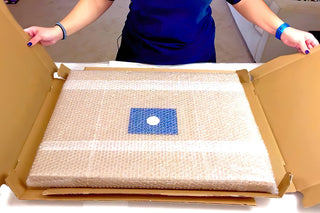
STEP 2 - SHIPPING
We ship your order. We send you an email to track the progress

STEP 3 - DELIVERY
You receive your order. You can also, according to your choice, be delivered to a relay point.
Matte finish
View from behind
Frame (optional)
Within the heart of 18th-century Venetian art, the "Portrait of an Unknown Noble" by Pietro Longhi stands as a silent testament to the elegance and subtleties of a bygone era. This captivating painting, shrouded in mystery, invites viewers to immerse themselves in a world where every detail tells a story. The presence of a noble figure, whose identity remains unknown, raises questions about social representation and the significance of status in Venice of that time. Longhi, with his skill in capturing the nuances of aristocratic life, manages to transcend a simple portrait to offer a reflection on the individual and their environment.
Style and uniqueness of the work
Pietro Longhi's style is characterized by finesse and meticulous attention to detail. In this piece, he creates an atmosphere that is both intimate and distant, where the noble, dressed in a sumptuous outfit, appears both present and inaccessible. Delicate colors and play of light give the canvas a striking depth, emphasizing facial features while maintaining an aura of mystery. The character's slightly turned posture and contemplative gaze invite interpretation, allowing viewers to imagine the life and thoughts of this man whose identity remains a secret. The composition, balanced and harmonious, demonstrates Longhi's mastery, blending realism and idealization, making each portrait a true work of art.
The artist and his influence
Pietro Longhi, active in Venice during the 18th century, is often regarded as a master of portraiture and genre scenes. His work stands out for his ability to capture not only the physical appearance of his subjects but also their character and environment. Influenced by the artistic currents of his time, he skillfully integrates elements of daily life into his portraits, providing a valuable glimpse into Venetian society. Longhi inspired many artists through his innovative approach and keen observational skills. His legacy endures through the centuries, and his works continue to be admired for their capacity to evoke emotions.
12,34 €