
Painting Portrait of an Officer - John Michael Wright | Art print


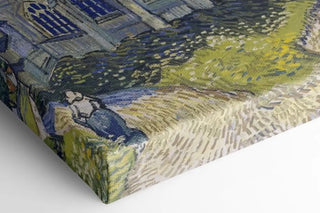
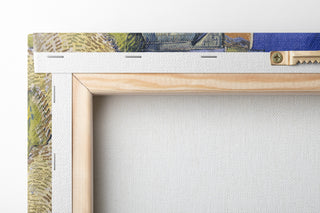
View from behind
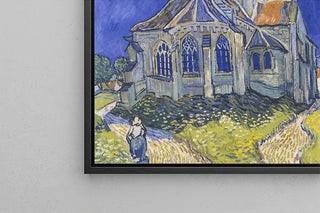
Frame (optional)
John Michael Wright’s "Portrait of an Officer" is a masterpiece that transcends the simple frame of painting to become a part of the history of an era, the 17th century, marked by political and social upheavals. This painting, depicting a man in uniform, is not merely a representation of an individual; it embodies a vision of power and authority, while revealing the psychological subtleties of its subject. Wright’s mastery in capturing human emotions and clothing details makes this work a true masterpiece, inviting viewers to delve into the complex universe of its time.
Style and uniqueness of the work
Wright’s style is distinguished by meticulous attention to detail and a rich, nuanced color palette. In the "Portrait of an Officer," the artist uses light masterfully to emphasize facial features and fabric textures. Shadows and reflections create a depth that makes the portrait lively, almost tangible. Every element, from the pleats of the uniform to the embellishments accompanying it, is carefully crafted, demonstrating Wright’s technical virtuosity. This painting does not merely depict a man; it tells a story, that of an individual at the heart of court intrigues, while reflecting the values and aspirations of its time. The composition, balanced and harmonious, guides the viewer’s gaze toward the officer’s face, where determination and character are evident.
The artist and his influence
John Michael Wright, born in Scotland, established himself as one of the most prominent portraitists of his time. Trained in the workshops of great masters, he developed a style that combines tradition and innovation. Wright had the opportunity to work for influential personalities, which allowed him to play a key role in the dissemination of Baroque styles across Europe. His influence is felt not only in his own works but also among many contemporary and later artists, inspired by his ability to capture the very essence of his subjects. The "Portrait of an Officer" is emblematic of this transitional period, where portrait painting becomes a means of expression.
Painting Portrait of an Officer - John Michael Wright | Art print

-10% FROM €95 IN PURCHASES
-15% FROM €195 IN PURCHASES
Regular price
- Unit price
- per
Tax included.
Free shipping
€4.90 / Free shipping on orders over €39
Satisfied or Money Back
Free returns within 30 days
10-year warranty
Our prints are guaranteed for 10 years
Any questions? We are here!
by email to contact@artemlegrand.com
THE STEPS OF YOUR ORDER
STEP 1 - ORDER PLACED
Your order has been confirmed and we are starting production
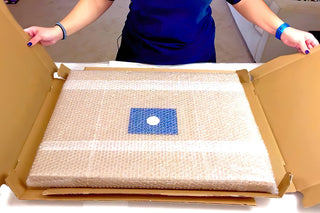
STEP 2 - SHIPPING
We ship your order. We send you an email to track the progress

STEP 3 - DELIVERY
You receive your order. You can also, according to your choice, be delivered to a relay point.
Matte finish
View from behind
Frame (optional)
John Michael Wright’s "Portrait of an Officer" is a masterpiece that transcends the simple frame of painting to become a part of the history of an era, the 17th century, marked by political and social upheavals. This painting, depicting a man in uniform, is not merely a representation of an individual; it embodies a vision of power and authority, while revealing the psychological subtleties of its subject. Wright’s mastery in capturing human emotions and clothing details makes this work a true masterpiece, inviting viewers to delve into the complex universe of its time.
Style and uniqueness of the work
Wright’s style is distinguished by meticulous attention to detail and a rich, nuanced color palette. In the "Portrait of an Officer," the artist uses light masterfully to emphasize facial features and fabric textures. Shadows and reflections create a depth that makes the portrait lively, almost tangible. Every element, from the pleats of the uniform to the embellishments accompanying it, is carefully crafted, demonstrating Wright’s technical virtuosity. This painting does not merely depict a man; it tells a story, that of an individual at the heart of court intrigues, while reflecting the values and aspirations of its time. The composition, balanced and harmonious, guides the viewer’s gaze toward the officer’s face, where determination and character are evident.
The artist and his influence
John Michael Wright, born in Scotland, established himself as one of the most prominent portraitists of his time. Trained in the workshops of great masters, he developed a style that combines tradition and innovation. Wright had the opportunity to work for influential personalities, which allowed him to play a key role in the dissemination of Baroque styles across Europe. His influence is felt not only in his own works but also among many contemporary and later artists, inspired by his ability to capture the very essence of his subjects. The "Portrait of an Officer" is emblematic of this transitional period, where portrait painting becomes a means of expression.
12,34 €