
Portrait of a young man in a black frock coat, three-quarters to the right - Franz Seraph Stirnbrand | Art print


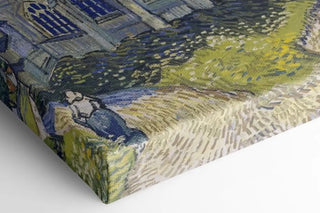
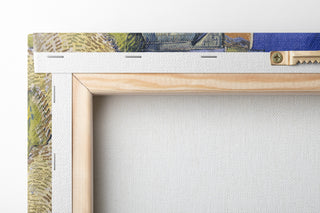
View from behind
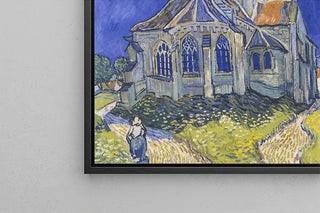
Frame (optional)
Portrait of a Young Man in a Black Tailcoat, Three-Quarter View to the Right - Franz Seraph Stirnbrand – Captivating Introduction
The portrait of a young man in a black tailcoat, three-quarter view to the right, by Franz Seraph Stirnbrand, stands as an emblematic work from the early 19th century. In this depiction, the artist manages to capture not only the physical appearance of the model but also a psychological essence that invites the viewer to reflect on the identity and character of this young man. The slightly turned posture, the contemplative gaze, and the elegant attire all testify to an era where fashion and social status were closely intertwined. This painting, through its composition and color treatment, evokes an atmosphere of refinement and mystery, encouraging prolonged contemplation.
Style and uniqueness of the work
The uniqueness of this piece lies in Stirnbrand's technical mastery, who uses light and shadow to create an almost sculptural dimension. The meticulous details of the black tailcoat, as well as the texture of the skin, are rendered with precision that demonstrates exceptional craftsmanship. The choice of a neutral background highlights the subject, allowing the observer to focus on the facial features and expression of the young man. The artist succeeds in infusing an inner life into his model, making him both accessible and mysterious. This portrait is not merely a simple representation; it tells a story, that of a young man at a crossroads, caught in the turmoil of his time.
The artist and his influence
Franz Seraph Stirnbrand, though less known than some of his contemporaries, has left an indelible mark on the art world. Trained in the academic traditions of his time, he mastered both technical rigor and artistic sensitivity. His work is distinguished by a particular attention to detail and an ability to translate human emotions onto the canvas. Stirnbrand was influenced by the masters of past painting, while incorporating elements of his own era, which allowed him to create a unique style. His work has inspired many artists who followed, contributing to the evolution of the portrait in the 19th century, where individuality and
Portrait of a young man in a black frock coat, three-quarters to the right - Franz Seraph Stirnbrand | Art print

-10% FROM €95 IN PURCHASES
-15% FROM €195 IN PURCHASES
Regular price
- Unit price
- per
Tax included.
Free shipping
€4.90 / Free shipping on orders over €39
Satisfied or Money Back
Free returns within 30 days
10-year warranty
Our prints are guaranteed for 10 years
Any questions? We are here!
by email to contact@artemlegrand.com
THE STEPS OF YOUR ORDER

STEP 1 - ORDER PLACED
Your order has been confirmed and we are starting production
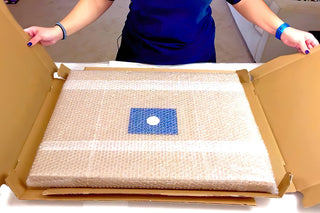
STEP 2 - SHIPPING
We ship your order. We send you an email to track the progress

STEP 3 - DELIVERY
You receive your order. You can also, according to your choice, be delivered to a relay point.
Matte finish
View from behind
Frame (optional)
Portrait of a Young Man in a Black Tailcoat, Three-Quarter View to the Right - Franz Seraph Stirnbrand – Captivating Introduction
The portrait of a young man in a black tailcoat, three-quarter view to the right, by Franz Seraph Stirnbrand, stands as an emblematic work from the early 19th century. In this depiction, the artist manages to capture not only the physical appearance of the model but also a psychological essence that invites the viewer to reflect on the identity and character of this young man. The slightly turned posture, the contemplative gaze, and the elegant attire all testify to an era where fashion and social status were closely intertwined. This painting, through its composition and color treatment, evokes an atmosphere of refinement and mystery, encouraging prolonged contemplation.
Style and uniqueness of the work
The uniqueness of this piece lies in Stirnbrand's technical mastery, who uses light and shadow to create an almost sculptural dimension. The meticulous details of the black tailcoat, as well as the texture of the skin, are rendered with precision that demonstrates exceptional craftsmanship. The choice of a neutral background highlights the subject, allowing the observer to focus on the facial features and expression of the young man. The artist succeeds in infusing an inner life into his model, making him both accessible and mysterious. This portrait is not merely a simple representation; it tells a story, that of a young man at a crossroads, caught in the turmoil of his time.
The artist and his influence
Franz Seraph Stirnbrand, though less known than some of his contemporaries, has left an indelible mark on the art world. Trained in the academic traditions of his time, he mastered both technical rigor and artistic sensitivity. His work is distinguished by a particular attention to detail and an ability to translate human emotions onto the canvas. Stirnbrand was influenced by the masters of past painting, while incorporating elements of his own era, which allowed him to create a unique style. His work has inspired many artists who followed, contributing to the evolution of the portrait in the 19th century, where individuality and
12,34 €