
Art print Portrait of a young man George Osbaldeston - Sir Francis Grant | Art print


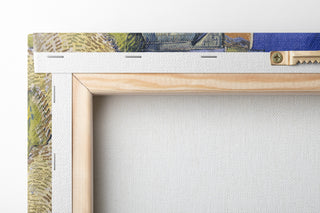
View from behind
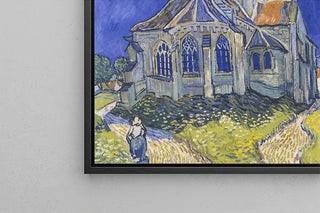
Frame (optional)
In the fascinating world of 19th-century British painting, the "Art print of a young man George Osbaldeston" by Sir Francis Grant stands out for its elegance and psychological depth. This piece, which captures the essence of a young man at the peak of his youth, invites the viewer to delve into the intimacy of a moment frozen in time. Grant, with his undeniable talent, manages to transcend mere representation to offer a true window into the soul of his subject. The soft light illuminating the young man's face, along with the delicacy of the details, testify to a technical mastery that echoes the tradition of great portraitists.
Style and uniqueness of the work
Sir Francis Grant's style is characterized by striking realism, combined with romantic sensitivity. In this portrait, each brushstroke seems to tell a story, with every shadow and light contributing to creating an atmosphere of serenity and contemplation. The choice of colors, both rich and nuanced, enhances the personality of the subject, while evoking a certain nostalgia. The posture of the young man, upright and confident, contrasts with the pensive expression on his face, suggesting an emotional complexity that intrigues the viewer. This portrait does not merely depict an individual; it becomes a reflection of an era, a social class, and an ideal of beauty and virtue.
The artist and his influence
Sir Francis Grant, born in 1803, is one of the most renowned portraitists of his time. A member of the Royal Academy, he established himself thanks to his distinctive style and his ability to capture the essence of his models. Grant was influenced by the great masters of painting, but he also developed a unique approach, incorporating elements of everyday life into his works. His portraits, often commissioned by the British aristocracy, reflect a concern for detail and a deep understanding of the social dynamics of his era. Through his work, Grant not only immortalized emblematic figures but also contributed to shaping the visual identity of Victorian society, marking a turning point in the
Art print Portrait of a young man George Osbaldeston - Sir Francis Grant | Art print

-10% FROM €95 IN PURCHASES
-15% FROM €195 IN PURCHASES
Regular price
- Unit price
- per
Tax included.
Free shipping
€4.90 / Free shipping on orders over €39
Satisfied or Money Back
Free returns within 30 days
10-year warranty
Our prints are guaranteed for 10 years
Any questions? We are here!
by email to contact@artemlegrand.com
THE STEPS OF YOUR ORDER

STEP 1 - ORDER PLACED
Your order has been confirmed and we are starting production
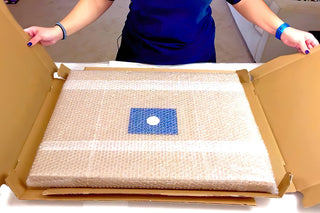
STEP 2 - SHIPPING
We ship your order. We send you an email to track the progress

STEP 3 - DELIVERY
You receive your order. You can also, according to your choice, be delivered to a relay point.
Matte finish
View from behind
Frame (optional)
In the fascinating world of 19th-century British painting, the "Art print of a young man George Osbaldeston" by Sir Francis Grant stands out for its elegance and psychological depth. This piece, which captures the essence of a young man at the peak of his youth, invites the viewer to delve into the intimacy of a moment frozen in time. Grant, with his undeniable talent, manages to transcend mere representation to offer a true window into the soul of his subject. The soft light illuminating the young man's face, along with the delicacy of the details, testify to a technical mastery that echoes the tradition of great portraitists.
Style and uniqueness of the work
Sir Francis Grant's style is characterized by striking realism, combined with romantic sensitivity. In this portrait, each brushstroke seems to tell a story, with every shadow and light contributing to creating an atmosphere of serenity and contemplation. The choice of colors, both rich and nuanced, enhances the personality of the subject, while evoking a certain nostalgia. The posture of the young man, upright and confident, contrasts with the pensive expression on his face, suggesting an emotional complexity that intrigues the viewer. This portrait does not merely depict an individual; it becomes a reflection of an era, a social class, and an ideal of beauty and virtue.
The artist and his influence
Sir Francis Grant, born in 1803, is one of the most renowned portraitists of his time. A member of the Royal Academy, he established himself thanks to his distinctive style and his ability to capture the essence of his models. Grant was influenced by the great masters of painting, but he also developed a unique approach, incorporating elements of everyday life into his works. His portraits, often commissioned by the British aristocracy, reflect a concern for detail and a deep understanding of the social dynamics of his era. Through his work, Grant not only immortalized emblematic figures but also contributed to shaping the visual identity of Victorian society, marking a turning point in the
12,34 €