
Portrait of a Woman - Gustave Courbet | Art print


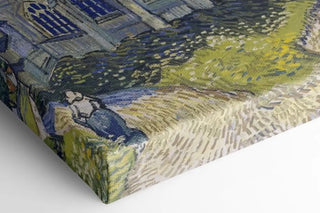
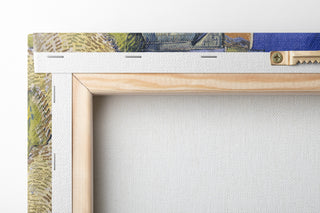
View from behind
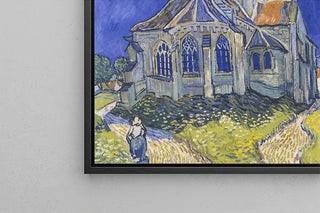
Frame (optional)
Portrait of a woman - Gustave Courbet – Captivating introduction
Gustave Courbet's "Portrait of a woman" is an iconic artwork that embodies the spirit of 19th-century realism. This painting, both intimate and universal, depicts a woman whose piercing gaze seems to capture the viewer's soul. Courbet, a master of the realist movement, strives to represent life as it is, far from romantic ideals. This portrait, through its authenticity and expressive strength, invites reflection on the feminine condition and on art itself, making this piece a true mirror of the society of its time. The art print of this major work allows appreciation of the subtle harmony of colors and the finesse of details, while paying homage to Courbet's artistic legacy.
Style and uniqueness of the work
Courbet's style is distinguished by his ability to capture human emotions with rare intensity. In the "Portrait of a woman," the composition is marked by striking realism. The depicted woman, dressed elegantly, is surrounded by a simple background that highlights her presence. The play of light and shadow, characteristic of Courbet's technique, accentuates facial features, revealing a psychological depth that transcends the simple portrait. The texture of the paint, almost tangible, demonstrates the artist's technical mastery. Every brushstroke seems carefully thought out to bring this female figure to life, embodying both strength and vulnerability. This painting does not merely depict a woman; it tells a story, that of a time and a struggle for recognition.
The artist and his influence
Gustave Courbet is an emblematic figure in art history, recognized for challenging the conventions of his era. Born in 1819, he managed to impose a new vision of art, distant from classical ideals. His commitment to realism paved the way for many artists, influencing movements such as Impressionism and Post-Impressionism. Courbet did not merely reproduce reality; he sought to reinterpret it, to give it a voice. His work is marked by a profound concern for truth, both in the subjects he
Portrait of a Woman - Gustave Courbet | Art print

-10% FROM €95 IN PURCHASES
-15% FROM €195 IN PURCHASES
Regular price
- Unit price
- per
Tax included.
Free shipping
€4.90 / Free shipping on orders over €39
Satisfied or Money Back
Free returns within 30 days
10-year warranty
Our prints are guaranteed for 10 years
Any questions? We are here!
by email to contact@artemlegrand.com
THE STEPS OF YOUR ORDER

STEP 1 - ORDER PLACED
Your order has been confirmed and we are starting production
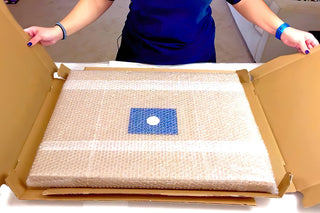
STEP 2 - SHIPPING
We ship your order. We send you an email to track the progress

STEP 3 - DELIVERY
You receive your order. You can also, according to your choice, be delivered to a relay point.
Matte finish
View from behind
Frame (optional)
Portrait of a woman - Gustave Courbet – Captivating introduction
Gustave Courbet's "Portrait of a woman" is an iconic artwork that embodies the spirit of 19th-century realism. This painting, both intimate and universal, depicts a woman whose piercing gaze seems to capture the viewer's soul. Courbet, a master of the realist movement, strives to represent life as it is, far from romantic ideals. This portrait, through its authenticity and expressive strength, invites reflection on the feminine condition and on art itself, making this piece a true mirror of the society of its time. The art print of this major work allows appreciation of the subtle harmony of colors and the finesse of details, while paying homage to Courbet's artistic legacy.
Style and uniqueness of the work
Courbet's style is distinguished by his ability to capture human emotions with rare intensity. In the "Portrait of a woman," the composition is marked by striking realism. The depicted woman, dressed elegantly, is surrounded by a simple background that highlights her presence. The play of light and shadow, characteristic of Courbet's technique, accentuates facial features, revealing a psychological depth that transcends the simple portrait. The texture of the paint, almost tangible, demonstrates the artist's technical mastery. Every brushstroke seems carefully thought out to bring this female figure to life, embodying both strength and vulnerability. This painting does not merely depict a woman; it tells a story, that of a time and a struggle for recognition.
The artist and his influence
Gustave Courbet is an emblematic figure in art history, recognized for challenging the conventions of his era. Born in 1819, he managed to impose a new vision of art, distant from classical ideals. His commitment to realism paved the way for many artists, influencing movements such as Impressionism and Post-Impressionism. Courbet did not merely reproduce reality; he sought to reinterpret it, to give it a voice. His work is marked by a profound concern for truth, both in the subjects he
12,34 €