
Art print Portrait of a man with a black beret - Hans Holbein the Younger | Art print


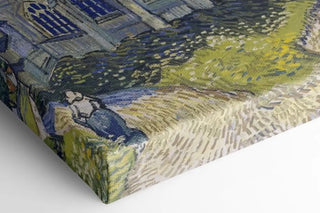
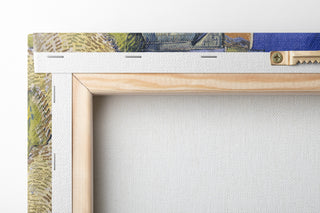
View from behind
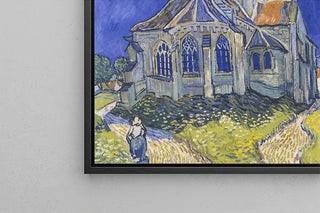
Frame (optional)
Portrait of a Man with a Black Beret - Hans Holbein the Younger – Captivating Introduction
In the vast panorama of Renaissance painting, the "Portrait of a Man with a Black Beret" by Hans Holbein the Younger stands out for its psychological depth and striking realism. This artwork, created in the early 16th century, embodies not only the exceptional talent of its creator but also the spirit of an era marked by cultural and intellectual upheavals. Through this portrait, Holbein manages to capture the very essence of his subject, offering the viewer a glimpse into the personality and social status of the depicted man. The atmosphere emanating from this painting invites deep contemplation, revealing the subtleties of a gaze that seems to transcend time.
Style and uniqueness of the work
Holbein's style is characterized by meticulous realism and careful attention to detail. In this piece, the choice of colors and shadows helps create an atmosphere that is both intimate and solemn. The black beret, a symbol of the fashion of the time, is rendered with such precision that it almost feels tangible. The textures of the fabrics, the finesse of the facial features, and the brightness of the eyes are all elements that testify to the painter's skill. Holbein does not hesitate to play with light to bring his subject to life, while the dark background emphasizes the presence of the man, placing him at the center of attention. This portrait is not limited to a simple physical representation; it also evokes emotions and thoughts, offering a window into the soul of the individual.
The artist and his influence
Hans Holbein the Younger, born around 1497 in Augsburg, is one of the most influential artists of Northern Renaissance. His work is marked by a meeting between Flemish style and the humanist ideals of Italy. Thanks to his stay at the court of Henry VIII, he was able to create numerous portraits of the English nobility, thus establishing a new standard for the representation of public figures. Holbein mastered impeccable technique and psychological sensitivity, influencing generations of artists after him. His approach to portraiture, which prioritizes the individual and their character
Art print Portrait of a man with a black beret - Hans Holbein the Younger | Art print

-10% FROM €95 IN PURCHASES
-15% FROM €195 IN PURCHASES
Regular price
- Unit price
- per
Tax included.
Free shipping
€4.90 / Free shipping on orders over €39
Satisfied or Money Back
Free returns within 30 days
10-year warranty
Our prints are guaranteed for 10 years
Any questions? We are here!
by email to contact@artemlegrand.com
THE STEPS OF YOUR ORDER

STEP 1 - ORDER PLACED
Your order has been confirmed and we are starting production
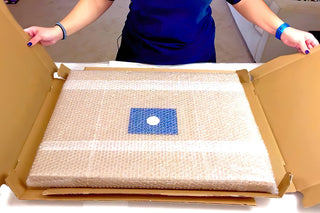
STEP 2 - SHIPPING
We ship your order. We send you an email to track the progress

STEP 3 - DELIVERY
You receive your order. You can also, according to your choice, be delivered to a relay point.
Matte finish
View from behind
Frame (optional)
Portrait of a Man with a Black Beret - Hans Holbein the Younger – Captivating Introduction
In the vast panorama of Renaissance painting, the "Portrait of a Man with a Black Beret" by Hans Holbein the Younger stands out for its psychological depth and striking realism. This artwork, created in the early 16th century, embodies not only the exceptional talent of its creator but also the spirit of an era marked by cultural and intellectual upheavals. Through this portrait, Holbein manages to capture the very essence of his subject, offering the viewer a glimpse into the personality and social status of the depicted man. The atmosphere emanating from this painting invites deep contemplation, revealing the subtleties of a gaze that seems to transcend time.
Style and uniqueness of the work
Holbein's style is characterized by meticulous realism and careful attention to detail. In this piece, the choice of colors and shadows helps create an atmosphere that is both intimate and solemn. The black beret, a symbol of the fashion of the time, is rendered with such precision that it almost feels tangible. The textures of the fabrics, the finesse of the facial features, and the brightness of the eyes are all elements that testify to the painter's skill. Holbein does not hesitate to play with light to bring his subject to life, while the dark background emphasizes the presence of the man, placing him at the center of attention. This portrait is not limited to a simple physical representation; it also evokes emotions and thoughts, offering a window into the soul of the individual.
The artist and his influence
Hans Holbein the Younger, born around 1497 in Augsburg, is one of the most influential artists of Northern Renaissance. His work is marked by a meeting between Flemish style and the humanist ideals of Italy. Thanks to his stay at the court of Henry VIII, he was able to create numerous portraits of the English nobility, thus establishing a new standard for the representation of public figures. Holbein mastered impeccable technique and psychological sensitivity, influencing generations of artists after him. His approach to portraiture, which prioritizes the individual and their character
12,34 €