
Portrait of a Man possibly Philippe de la Trémolle Count of Olonne - Jean-Baptiste de Champaigne | Art print


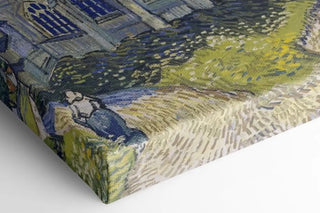
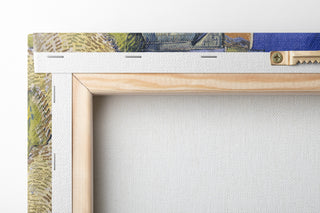
View from behind
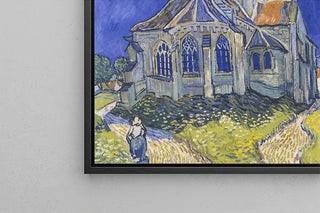
Frame (optional)
Portrait of a Man possibly Philippe de la Trémolle, Count of Olonne - Jean-Baptiste de Champaigne – Engaging Introduction
In the vast panorama of art history, certain works stand out for their ability to capture not only the physical appearance of an individual but also the very essence of their character. The art print Portrait of a Man possibly Philippe de la Trémolle, Count of Olonne - Jean-Baptiste de Champaigne is a compelling example. This painting, created by the talented Jean-Baptiste de Champaigne, immerses us in an era when portraiture served to immortalize prominent figures of society. Through this masterpiece, viewers are invited to explore the subtleties of a personality that, although distant, feels strangely familiar.
Style and uniqueness of the work
Champaigne's style is characterized by a meticulous approach to detail and a remarkable mastery of light. In this piece, every brushstroke seems thoughtfully designed to reveal the psychological depth of the subject. The color palette used by the artist, blending warm tones with delicate shadows, creates an atmosphere that is both solemn and intimate. The features of the count of Olonne are rendered with striking precision, emphasizing the wrinkles and expressions that testify to a life rich in experiences. The subject's posture, upright and noble, evokes undeniable dignity, while the dark background highlights the brightness of his face. This blend of realism and idealization is typical of baroque portraiture, where the artist seeks to transcend mere representation to touch the soul of their model.
The artist and his influence
Jean-Baptiste de Champaigne, active in the 17th century, is often regarded as one of the masters of portraiture in France. Trained in his father's workshop, himself a painter, Champaigne developed a style that combines academic rigor with personal sensitivity. His work is marked by a deep understanding of human psychology, allowing him to capture subtle nuances in his models' expressions. As a court painter, he had the opportunity to interact with many influential personalities, which enriched his repertoire and his
Portrait of a Man possibly Philippe de la Trémolle Count of Olonne - Jean-Baptiste de Champaigne | Art print

-10% FROM €95 IN PURCHASES
-15% FROM €195 IN PURCHASES
Regular price
- Unit price
- per
Tax included.
Free shipping
€4.90 / Free shipping on orders over €39
Satisfied or Money Back
Free returns within 30 days
10-year warranty
Our prints are guaranteed for 10 years
Any questions? We are here!
by email to contact@artemlegrand.com
THE STEPS OF YOUR ORDER
STEP 1 - ORDER PLACED
Your order has been confirmed and we are starting production
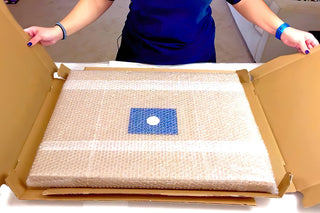
STEP 2 - SHIPPING
We ship your order. We send you an email to track the progress
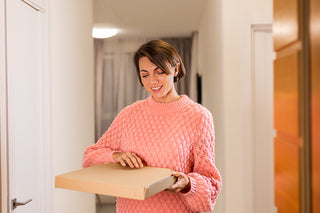
STEP 3 - DELIVERY
You receive your order. You can also, according to your choice, be delivered to a relay point.
Matte finish
View from behind
Frame (optional)
Portrait of a Man possibly Philippe de la Trémolle, Count of Olonne - Jean-Baptiste de Champaigne – Engaging Introduction
In the vast panorama of art history, certain works stand out for their ability to capture not only the physical appearance of an individual but also the very essence of their character. The art print Portrait of a Man possibly Philippe de la Trémolle, Count of Olonne - Jean-Baptiste de Champaigne is a compelling example. This painting, created by the talented Jean-Baptiste de Champaigne, immerses us in an era when portraiture served to immortalize prominent figures of society. Through this masterpiece, viewers are invited to explore the subtleties of a personality that, although distant, feels strangely familiar.
Style and uniqueness of the work
Champaigne's style is characterized by a meticulous approach to detail and a remarkable mastery of light. In this piece, every brushstroke seems thoughtfully designed to reveal the psychological depth of the subject. The color palette used by the artist, blending warm tones with delicate shadows, creates an atmosphere that is both solemn and intimate. The features of the count of Olonne are rendered with striking precision, emphasizing the wrinkles and expressions that testify to a life rich in experiences. The subject's posture, upright and noble, evokes undeniable dignity, while the dark background highlights the brightness of his face. This blend of realism and idealization is typical of baroque portraiture, where the artist seeks to transcend mere representation to touch the soul of their model.
The artist and his influence
Jean-Baptiste de Champaigne, active in the 17th century, is often regarded as one of the masters of portraiture in France. Trained in his father's workshop, himself a painter, Champaigne developed a style that combines academic rigor with personal sensitivity. His work is marked by a deep understanding of human psychology, allowing him to capture subtle nuances in his models' expressions. As a court painter, he had the opportunity to interact with many influential personalities, which enriched his repertoire and his
12,34 €