
Painting Portrait of a Man - Ludovit Pitthordt | Art print


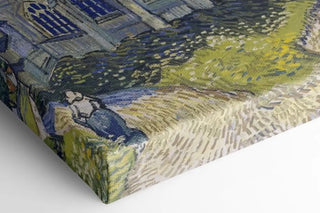
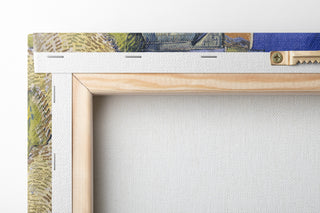
View from behind
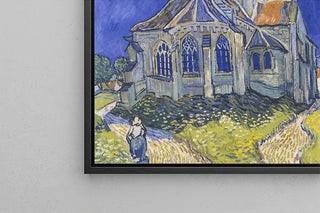
Frame (optional)
Portrait of a Man - Ludovit Pitthordt – Captivating Introduction
The "Portrait of a Man" by Ludovit Pitthordt stands as a vibrant testament to the art of portraiture in the 19th century. In this work, the viewer is immediately captivated by the depth of emotion emanating from the subject's face. Every detail, from the texture of the skin to the expression in the eyes, reveals a personal story, a moment frozen in time. This painting, imbued with a certain melancholy, invites introspective contemplation, where one can almost feel the soul of the model shining through the artist's brush. Through this art print, Pitthordt's artistry becomes accessible, allowing everyone to explore the richness of his universe.
Style and uniqueness of the work
Ludovit Pitthordt's style is characterized by an exceptional mastery of light and shadow, which gives his portraits an almost sculptural dimension. In the "Portrait of a Man," a subtle interplay of tones is observed, where light delicately caresses the facial features, accentuating the depth of the eyes and the finesse of the lips. The color palette, both rich and nuanced, evokes an intimate, almost nostalgic atmosphere. Pitthordt manages to capture not only the physical appearance of his subject but also a deeper essence, a psychology that resonates with the viewer. This attention to detail and ability to convey emotions make this work a quintessential example of the art of portraiture.
The artist and his influence
Ludovit Pitthordt, a Slovak-born painter, established himself in the art world through his unique approach and dedication to realistic representation. Trained in prestigious schools, he drew inspiration from great masters while developing a personal style that is distinctly his own. His work was influenced by the artistic movements of his time, yet he also distanced himself from them to create works that reflect his individuality. Pitthordt had a significant impact on the artistic scene of his era, inspiring many contemporary artists to explore the subtleties of portraiture. His legacy endures through his works, among which the "Portrait of a Man" remains a striking example of his
Painting Portrait of a Man - Ludovit Pitthordt | Art print

-10% FROM €95 IN PURCHASES
-15% FROM €195 IN PURCHASES
Regular price
- Unit price
- by
Free shipping
€4.90 / Free shipping on orders over €39
Satisfied or Money Back
Free returns within 30 days
10-year warranty
Our prints are guaranteed for 10 years
Any questions? We are here!
by email to contact@artemlegrand.com
THE STEPS OF YOUR ORDER
STEP 1 - ORDER PLACED
Your order has been confirmed and we are starting production
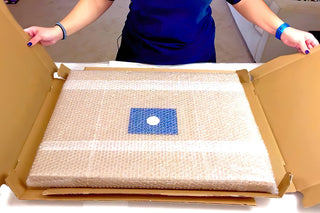
STEP 2 - SHIPPING
We ship your order. We send you an email to track the progress

STEP 3 - DELIVERY
You receive your order. You can also, according to your choice, be delivered to a relay point.
Matte finish
View from behind
Frame (optional)
Portrait of a Man - Ludovit Pitthordt – Captivating Introduction
The "Portrait of a Man" by Ludovit Pitthordt stands as a vibrant testament to the art of portraiture in the 19th century. In this work, the viewer is immediately captivated by the depth of emotion emanating from the subject's face. Every detail, from the texture of the skin to the expression in the eyes, reveals a personal story, a moment frozen in time. This painting, imbued with a certain melancholy, invites introspective contemplation, where one can almost feel the soul of the model shining through the artist's brush. Through this art print, Pitthordt's artistry becomes accessible, allowing everyone to explore the richness of his universe.
Style and uniqueness of the work
Ludovit Pitthordt's style is characterized by an exceptional mastery of light and shadow, which gives his portraits an almost sculptural dimension. In the "Portrait of a Man," a subtle interplay of tones is observed, where light delicately caresses the facial features, accentuating the depth of the eyes and the finesse of the lips. The color palette, both rich and nuanced, evokes an intimate, almost nostalgic atmosphere. Pitthordt manages to capture not only the physical appearance of his subject but also a deeper essence, a psychology that resonates with the viewer. This attention to detail and ability to convey emotions make this work a quintessential example of the art of portraiture.
The artist and his influence
Ludovit Pitthordt, a Slovak-born painter, established himself in the art world through his unique approach and dedication to realistic representation. Trained in prestigious schools, he drew inspiration from great masters while developing a personal style that is distinctly his own. His work was influenced by the artistic movements of his time, yet he also distanced himself from them to create works that reflect his individuality. Pitthordt had a significant impact on the artistic scene of his era, inspiring many contemporary artists to explore the subtleties of portraiture. His legacy endures through his works, among which the "Portrait of a Man" remains a striking example of his