
Painting Portrait of a Man (Case Conflict) - Harold Gilman | Art print


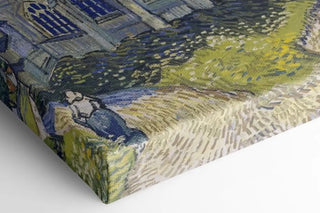
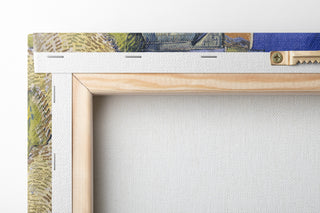
View from behind
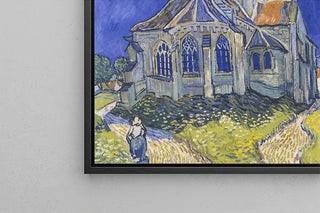
Frame (optional)
Portrait of a man (Case conflict) - Harold Gilman – Captivating introduction
In the rich and complex universe of modern art, certain works stand out for their ability to capture the very essence of humanity. The "Portrait of a man (Case conflict)" by Harold Gilman is one of those creations that, through its emotional depth and stylistic boldness, invites the viewer to an introspection on the human condition. Through this portrait, Gilman does not merely depict a face; he explores inner conflicts and nuances of the human soul. This painting, with its evocative power, transcends the simple exercise of representation to become a true mirror of the soul.
Style and uniqueness of the work
Harold Gilman's style is a fascinating blend of modernism and tradition. In the "Portrait of a man (Case conflict)", he uses vibrant colors and bold brushstrokes to create an atmosphere that is both intimate and unsettling. The subject's face, with expressive features, seems to tell a story, an inner struggle that resonates with anyone who has ever felt the weight of difficult choices. The color palette, carefully chosen, plays a crucial role, oscillating between dark shades and luminous highlights, symbolizing the inherent contradictions of human existence. This painting is a perfect example of how art can transcend words, communicating complex emotions through color and form.
The artist and his influence
Harold Gilman, a member of the "British Fauves" group, established himself as an essential figure in early 20th-century art. His innovative approach and ability to incorporate diverse influences, ranging from post-impressionism to expressionism, allowed him to create a unique artistic language. Gilman was particularly interested in the psychology of the characters he painted, seeking to capture not only their appearance but also the state of mind they were in. This "Portrait of a man (Case conflict)" perfectly illustrates this approach, revealing the tensions and dilemmas that inhabit his subject. His work has inspired many contemporary artists, who see in him a precursor of the
Painting Portrait of a Man (Case Conflict) - Harold Gilman | Art print

-10% FROM €95 IN PURCHASES
-15% FROM €195 IN PURCHASES
Regular price
- Unit price
- per
Tax included.
Free shipping
€4.90 / Free shipping on orders over €39
Satisfied or Money Back
Free returns within 30 days
10-year warranty
Our prints are guaranteed for 10 years
Any questions? We are here!
by email to contact@artemlegrand.com
THE STEPS OF YOUR ORDER

STEP 1 - ORDER PLACED
Your order has been confirmed and we are starting production
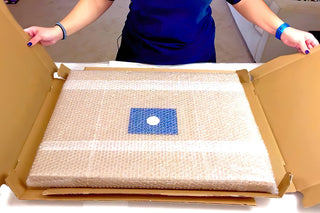
STEP 2 - SHIPPING
We ship your order. We send you an email to track the progress

STEP 3 - DELIVERY
You receive your order. You can also, according to your choice, be delivered to a relay point.
Matte finish
View from behind
Frame (optional)
Portrait of a man (Case conflict) - Harold Gilman – Captivating introduction
In the rich and complex universe of modern art, certain works stand out for their ability to capture the very essence of humanity. The "Portrait of a man (Case conflict)" by Harold Gilman is one of those creations that, through its emotional depth and stylistic boldness, invites the viewer to an introspection on the human condition. Through this portrait, Gilman does not merely depict a face; he explores inner conflicts and nuances of the human soul. This painting, with its evocative power, transcends the simple exercise of representation to become a true mirror of the soul.
Style and uniqueness of the work
Harold Gilman's style is a fascinating blend of modernism and tradition. In the "Portrait of a man (Case conflict)", he uses vibrant colors and bold brushstrokes to create an atmosphere that is both intimate and unsettling. The subject's face, with expressive features, seems to tell a story, an inner struggle that resonates with anyone who has ever felt the weight of difficult choices. The color palette, carefully chosen, plays a crucial role, oscillating between dark shades and luminous highlights, symbolizing the inherent contradictions of human existence. This painting is a perfect example of how art can transcend words, communicating complex emotions through color and form.
The artist and his influence
Harold Gilman, a member of the "British Fauves" group, established himself as an essential figure in early 20th-century art. His innovative approach and ability to incorporate diverse influences, ranging from post-impressionism to expressionism, allowed him to create a unique artistic language. Gilman was particularly interested in the psychology of the characters he painted, seeking to capture not only their appearance but also the state of mind they were in. This "Portrait of a man (Case conflict)" perfectly illustrates this approach, revealing the tensions and dilemmas that inhabit his subject. His work has inspired many contemporary artists, who see in him a precursor of the
12,34 €