
Painting Portrait of a Man - Harold Gilman | Art print


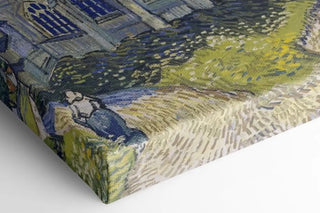
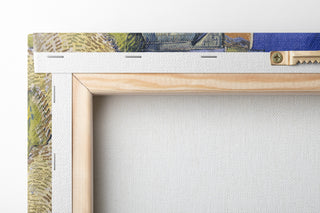
View from behind
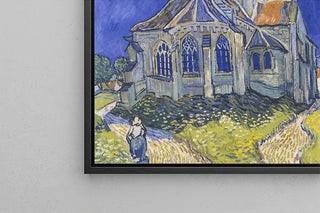
Frame (optional)
Portrait of a man - Harold Gilman – Captivating introduction
The "Portrait of a man" by Harold Gilman is a work that transcends the simple act of representing an individual. Through this painting, the artist manages to capture not only the physical appearance of his subject but also an essence, an atmosphere that resonates deeply with the viewer. In this painting, every brushstroke is an invitation to delve into the intimacy of a frozen moment in time, where emotion and psychology blend with technique. This work, emblematic of the early 20th century, bears witness to a period in full transformation, where art emancipates itself from conventions to explore new avenues of expression.
Style and uniqueness of the work
Gilman's style is characterized by a bold approach and a unique sensitivity. In "Portrait of a man," vibrant colors and striking contrasts intertwine to create an almost tangible atmosphere. The subject's face, with its expressive features, seems to emanate a psychological depth that draws the eye and captivates the mind. The play of light and shadow, carefully orchestrated, gives the canvas an almost sculptural dimension, while the background, often blurred or abstract, allows the viewer to focus on the main character. The way Gilman uses color and texture reflects his desire to go beyond realism to explore the nuances of human personality, making each viewing of the work unique and personal.
The artist and his influence
Harold Gilman, a prominent figure of the British post-impressionist movement, established himself through his distinctive style and his ability to fuse the intimate with the collective. Raised during a period when art was freeing itself from traditional constraints, Gilman was influenced by European avant-garde currents while developing his own voice. His work, particularly in the field of portraiture, paved the way for a new understanding of human representation. By focusing on capturing the emotions and states of mind of his subjects, he contributed to redefining the artistic norms of his time. His influence endures today, inspiring many contemporary artists to explore the psychology behind the human face.
A wall decoration of
Painting Portrait of a Man - Harold Gilman | Art print

-10% FROM €95 IN PURCHASES
-15% FROM €195 IN PURCHASES
Regular price
- Unit price
- per
Tax included.
Free shipping
€4.90 / Free shipping on orders over €39
Satisfied or Money Back
Free returns within 30 days
10-year warranty
Our prints are guaranteed for 10 years
Any questions? We are here!
by email to contact@artemlegrand.com
THE STEPS OF YOUR ORDER

STEP 1 - ORDER PLACED
Your order has been confirmed and we are starting production
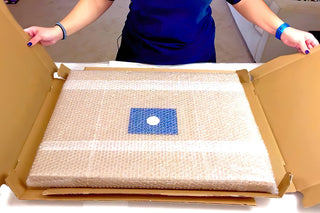
STEP 2 - SHIPPING
We ship your order. We send you an email to track the progress

STEP 3 - DELIVERY
You receive your order. You can also, according to your choice, be delivered to a relay point.
Matte finish
View from behind
Frame (optional)
Portrait of a man - Harold Gilman – Captivating introduction
The "Portrait of a man" by Harold Gilman is a work that transcends the simple act of representing an individual. Through this painting, the artist manages to capture not only the physical appearance of his subject but also an essence, an atmosphere that resonates deeply with the viewer. In this painting, every brushstroke is an invitation to delve into the intimacy of a frozen moment in time, where emotion and psychology blend with technique. This work, emblematic of the early 20th century, bears witness to a period in full transformation, where art emancipates itself from conventions to explore new avenues of expression.
Style and uniqueness of the work
Gilman's style is characterized by a bold approach and a unique sensitivity. In "Portrait of a man," vibrant colors and striking contrasts intertwine to create an almost tangible atmosphere. The subject's face, with its expressive features, seems to emanate a psychological depth that draws the eye and captivates the mind. The play of light and shadow, carefully orchestrated, gives the canvas an almost sculptural dimension, while the background, often blurred or abstract, allows the viewer to focus on the main character. The way Gilman uses color and texture reflects his desire to go beyond realism to explore the nuances of human personality, making each viewing of the work unique and personal.
The artist and his influence
Harold Gilman, a prominent figure of the British post-impressionist movement, established himself through his distinctive style and his ability to fuse the intimate with the collective. Raised during a period when art was freeing itself from traditional constraints, Gilman was influenced by European avant-garde currents while developing his own voice. His work, particularly in the field of portraiture, paved the way for a new understanding of human representation. By focusing on capturing the emotions and states of mind of his subjects, he contributed to redefining the artistic norms of his time. His influence endures today, inspiring many contemporary artists to explore the psychology behind the human face.
A wall decoration of
12,34 €