
Painting Portrait of a Man - Govert Flinck | Art print


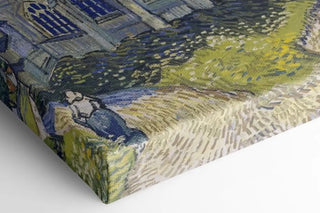
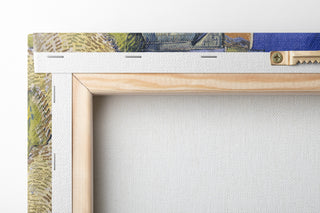
View from behind
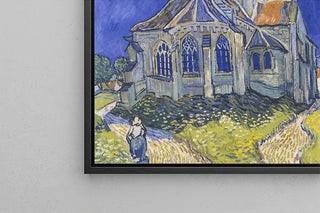
Frame (optional)
Reproduction Portrait of a Man - Govert Flinck – Captivating Introduction
The "Portrait of a Man" by Govert Flinck is a work that embodies the very essence of Dutch Baroque portraiture. Created in the 17th century, this painting immediately draws the eye with its intensity and depth. Flinck, a pupil of Rembrandt, manages to capture not only the physical appearance of his subject but also their character and soul. The play of light and shadow, typical of the period, gives this portrait an almost lifelike dimension, inviting the viewer to delve into the intimate universe of the depicted figure. Flinck's technical mastery, combined with his keen sense of observation, makes this work a true masterpiece that transcends time.
Style and uniqueness of the work
What sets the "Portrait of a Man" apart is undoubtedly the way Flinck plays with light to create striking contrasts. The lighting, coming from the left, highlights the facial features, emphasizing the details of the skin and clothing with remarkable precision. The colors, both rich and nuanced, testify to a carefully chosen palette. Flinck manages to create an atmosphere that is both solemn and warm, where the subject's gaze seems to follow the viewer, establishing an almost tangible connection. The posture and expression of the character reveal a certain introspection, as if lost in their thoughts. This ability to express deep emotions through pictorial elements demonstrates the undeniable talent of the artist.
The artist and his influence
Govert Flinck, born in 1615 in The Hague, established himself in the art world thanks to his refined technique and artistic sensitivity. A pupil of Rembrandt, he mastered the lessons of his master while developing his own style. Flinck adapted to the evolutions of his time, integrating elements of classicism while remaining rooted in Baroque traditions. His influence on his contemporaries is undeniable, and his work contributed to shaping the Dutch artistic landscape of the 17th century. Beyond his technique, it is his ability to capture human nature that...
Painting Portrait of a Man - Govert Flinck | Art print

-10% FROM €95 IN PURCHASES
-15% FROM €195 IN PURCHASES
Regular price
- Unit price
- per
Tax included.
Free shipping
€4.90 / Free shipping on orders over €39
Satisfied or Money Back
Free returns within 30 days
10-year warranty
Our prints are guaranteed for 10 years
Any questions? We are here!
by email to contact@artemlegrand.com
THE STEPS OF YOUR ORDER

STEP 1 - ORDER PLACED
Your order has been confirmed and we are starting production
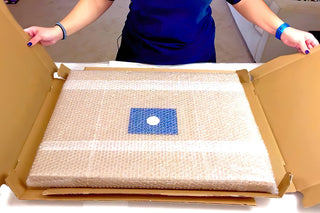
STEP 2 - SHIPPING
We ship your order. We send you an email to track the progress

STEP 3 - DELIVERY
You receive your order. You can also, according to your choice, be delivered to a relay point.
Matte finish
View from behind
Frame (optional)
Reproduction Portrait of a Man - Govert Flinck – Captivating Introduction
The "Portrait of a Man" by Govert Flinck is a work that embodies the very essence of Dutch Baroque portraiture. Created in the 17th century, this painting immediately draws the eye with its intensity and depth. Flinck, a pupil of Rembrandt, manages to capture not only the physical appearance of his subject but also their character and soul. The play of light and shadow, typical of the period, gives this portrait an almost lifelike dimension, inviting the viewer to delve into the intimate universe of the depicted figure. Flinck's technical mastery, combined with his keen sense of observation, makes this work a true masterpiece that transcends time.
Style and uniqueness of the work
What sets the "Portrait of a Man" apart is undoubtedly the way Flinck plays with light to create striking contrasts. The lighting, coming from the left, highlights the facial features, emphasizing the details of the skin and clothing with remarkable precision. The colors, both rich and nuanced, testify to a carefully chosen palette. Flinck manages to create an atmosphere that is both solemn and warm, where the subject's gaze seems to follow the viewer, establishing an almost tangible connection. The posture and expression of the character reveal a certain introspection, as if lost in their thoughts. This ability to express deep emotions through pictorial elements demonstrates the undeniable talent of the artist.
The artist and his influence
Govert Flinck, born in 1615 in The Hague, established himself in the art world thanks to his refined technique and artistic sensitivity. A pupil of Rembrandt, he mastered the lessons of his master while developing his own style. Flinck adapted to the evolutions of his time, integrating elements of classicism while remaining rooted in Baroque traditions. His influence on his contemporaries is undeniable, and his work contributed to shaping the Dutch artistic landscape of the 17th century. Beyond his technique, it is his ability to capture human nature that...
12,34 €