
Portrait of a man dressed as a shepherd - Hendrik Gerritsz. Pot | Art print


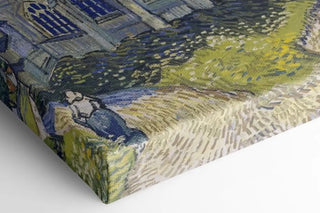
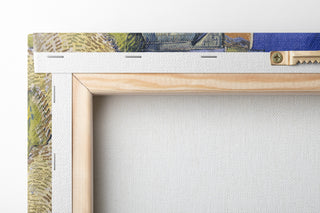
View from behind
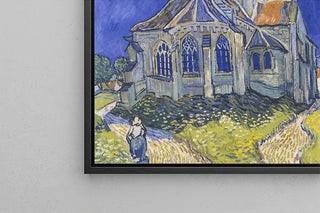
Frame (optional)
In the fascinating world of art, some works manage to capture the very essence of humanity, transcending the simple frame to immerse the viewer in deep reflection. The "Portrait of a man dressed as a shepherd" by Hendrik Gerritsz. Pot is one of those pieces that, through its realism and delicacy, invites attentive contemplation. This painting, although created in the 17th century, still resonates today, across time and eras, as a poignant testimony of rural life and human values. The art print of this work allows for rediscovering a world where every detail tells a story, where each exchange of gaze between the subject and the observer creates an timeless connection.
Style and uniqueness of the work
Hendrik Gerritsz. Pot's style is distinguished by an impressive mastery of chiaroscuro, a technique that gives his portraits remarkable depth. In "Portrait of a man dressed as a shepherd," the subtle interplay of light and shadow accentuates the features of the character's face, revealing rare expressiveness. The earthy colors, typical of his era, evoke simplicity and authenticity of pastoral life. This painting does not merely depict a man as such; it portrays an emblematic figure, a symbol of a way of life in harmony with nature. The relaxed posture of the shepherd, his thoughtful gaze, and the details of his attire, carefully painted, demonstrate meticulous attention to the elements that make up his environment. Every brushstroke seems to tell a story, inviting the viewer to immerse themselves in the universe of the model.
The artist and his influence
Hendrik Gerritsz. Pot, a Dutch artist of the 17th century, established himself as one of the masters of portraiture of his time. Operating within a rich artistic context, he was influenced by the great names of Dutch painting, while developing a personal style that is uniquely his own. His skill in capturing the psychology of his subjects, as well as his keen sense of detail, allowed him to build a solid reputation. Pot also contributed to redefining the portrait as
Portrait of a man dressed as a shepherd - Hendrik Gerritsz. Pot | Art print

-10% FROM €95 IN PURCHASES
-15% FROM €195 IN PURCHASES
Regular price
- Unit price
- per
Tax included.
Free shipping
€4.90 / Free shipping on orders over €39
Satisfied or Money Back
Free returns within 30 days
10-year warranty
Our prints are guaranteed for 10 years
Any questions? We are here!
by email to contact@artemlegrand.com
THE STEPS OF YOUR ORDER
STEP 1 - ORDER PLACED
Your order has been confirmed and we are starting production
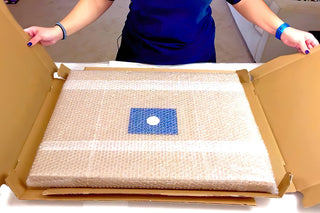
STEP 2 - SHIPPING
We ship your order. We send you an email to track the progress

STEP 3 - DELIVERY
You receive your order. You can also, according to your choice, be delivered to a relay point.
Matte finish
View from behind
Frame (optional)
In the fascinating world of art, some works manage to capture the very essence of humanity, transcending the simple frame to immerse the viewer in deep reflection. The "Portrait of a man dressed as a shepherd" by Hendrik Gerritsz. Pot is one of those pieces that, through its realism and delicacy, invites attentive contemplation. This painting, although created in the 17th century, still resonates today, across time and eras, as a poignant testimony of rural life and human values. The art print of this work allows for rediscovering a world where every detail tells a story, where each exchange of gaze between the subject and the observer creates an timeless connection.
Style and uniqueness of the work
Hendrik Gerritsz. Pot's style is distinguished by an impressive mastery of chiaroscuro, a technique that gives his portraits remarkable depth. In "Portrait of a man dressed as a shepherd," the subtle interplay of light and shadow accentuates the features of the character's face, revealing rare expressiveness. The earthy colors, typical of his era, evoke simplicity and authenticity of pastoral life. This painting does not merely depict a man as such; it portrays an emblematic figure, a symbol of a way of life in harmony with nature. The relaxed posture of the shepherd, his thoughtful gaze, and the details of his attire, carefully painted, demonstrate meticulous attention to the elements that make up his environment. Every brushstroke seems to tell a story, inviting the viewer to immerse themselves in the universe of the model.
The artist and his influence
Hendrik Gerritsz. Pot, a Dutch artist of the 17th century, established himself as one of the masters of portraiture of his time. Operating within a rich artistic context, he was influenced by the great names of Dutch painting, while developing a personal style that is uniquely his own. His skill in capturing the psychology of his subjects, as well as his keen sense of detail, allowed him to build a solid reputation. Pot also contributed to redefining the portrait as
12,34 €