
Painting Portrait of a Laughing Boy - Giuseppe Bonito | Art print


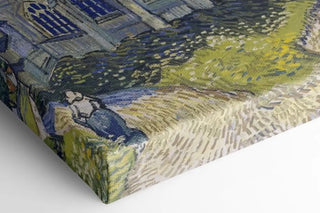
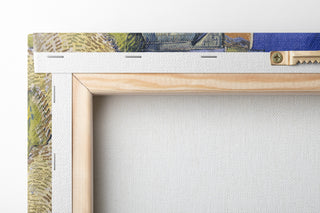
View from behind
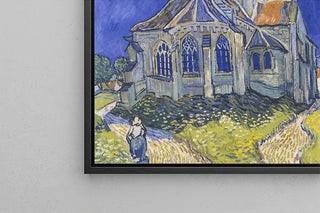
Frame (optional)
In the fascinating world of 18th-century painting, Giuseppe Bonito's "Portrait of a Laughing Boy" stands out for its irresistible charm and authenticity. This artwork, which captures the essence of childhood through the bright smile of a young boy, immerses us in an era where art intertwined with daily life. This portrait, a true ode to joy, transcends the simple frame of painting to become a living testament to human emotions. The artist, through his talent, manages to immortalize a moment of pure happiness, inviting the viewer to feel the lightness of childhood.
Style and uniqueness of the work
Giuseppe Bonito's style is rooted in the tradition of portraiture, but he distinguishes himself with a deeply human and intimate approach. In "Portrait of a Laughing Boy," the technique of light and shadow is masterfully controlled, creating a warm atmosphere that envelops the subject. The vivid colors and meticulous details, such as the reflections in the boy's eyes and the texture of his clothing, demonstrate a concern for realism that characterizes Bonito's work. This portrait does not merely depict a child; it captures an emotion, an authentic joy that resonates through the centuries. The relaxed posture of the boy, his frank smile, and his lively spirit make this work a true masterpiece of classical portraiture.
The artist and his influence
Giuseppe Bonito, born in Naples in 1707, established himself as one of the most prominent portraitists of his time. Trained in a rich artistic environment, he was influenced by the great masters of Italian painting while developing a style that was uniquely his own. Bonito had the opportunity to work for nobles and court members, which helped him build a solid reputation. His innovative approach to portraiture, focused on capturing emotions and personalities, inspired many artists of his era and beyond. Through his works, he not only contributed to the evolution of portraiture but also left a lasting mark on European art, influencing generations of
Painting Portrait of a Laughing Boy - Giuseppe Bonito | Art print

-10% FROM €95 IN PURCHASES
-15% FROM €195 IN PURCHASES
Regular price
- Unit price
- per
Tax included.
Free shipping
€4.90 / Free shipping on orders over €39
Satisfied or Money Back
Free returns within 30 days
10-year warranty
Our prints are guaranteed for 10 years
Any questions? We are here!
by email to contact@artemlegrand.com
THE STEPS OF YOUR ORDER

STEP 1 - ORDER PLACED
Your order has been confirmed and we are starting production
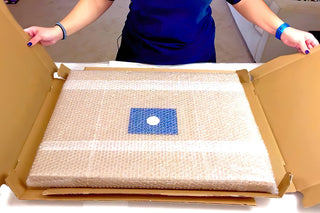
STEP 2 - SHIPPING
We ship your order. We send you an email to track the progress

STEP 3 - DELIVERY
You receive your order. You can also, according to your choice, be delivered to a relay point.
Matte finish
View from behind
Frame (optional)
In the fascinating world of 18th-century painting, Giuseppe Bonito's "Portrait of a Laughing Boy" stands out for its irresistible charm and authenticity. This artwork, which captures the essence of childhood through the bright smile of a young boy, immerses us in an era where art intertwined with daily life. This portrait, a true ode to joy, transcends the simple frame of painting to become a living testament to human emotions. The artist, through his talent, manages to immortalize a moment of pure happiness, inviting the viewer to feel the lightness of childhood.
Style and uniqueness of the work
Giuseppe Bonito's style is rooted in the tradition of portraiture, but he distinguishes himself with a deeply human and intimate approach. In "Portrait of a Laughing Boy," the technique of light and shadow is masterfully controlled, creating a warm atmosphere that envelops the subject. The vivid colors and meticulous details, such as the reflections in the boy's eyes and the texture of his clothing, demonstrate a concern for realism that characterizes Bonito's work. This portrait does not merely depict a child; it captures an emotion, an authentic joy that resonates through the centuries. The relaxed posture of the boy, his frank smile, and his lively spirit make this work a true masterpiece of classical portraiture.
The artist and his influence
Giuseppe Bonito, born in Naples in 1707, established himself as one of the most prominent portraitists of his time. Trained in a rich artistic environment, he was influenced by the great masters of Italian painting while developing a style that was uniquely his own. Bonito had the opportunity to work for nobles and court members, which helped him build a solid reputation. His innovative approach to portraiture, focused on capturing emotions and personalities, inspired many artists of his era and beyond. Through his works, he not only contributed to the evolution of portraiture but also left a lasting mark on European art, influencing generations of
12,34 €