
Art print Portrait of a gentleman - Thomas Phillips | Art print


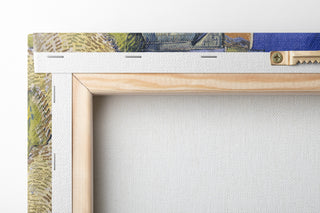
View from behind
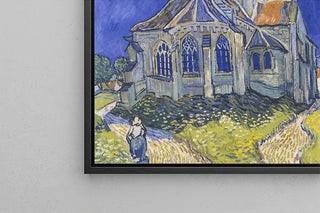
Frame (optional)
In the vast panorama of art history, some works manage to transcend their era to capture the very essence of humanity. The "Portrait of a gentleman" by Thomas Phillips is a striking example. Created in the early 19th century, this canvas exudes an aura of mystery and elegance that invites the viewer to delve into the intimacy of a man whose identity remains largely unknown. Through this portrait, Phillips does not merely depict a face; he evokes a personality, a character, a story. This piece, both classical and timeless, continues to inspire and fascinate those who encounter it.
Style and uniqueness of the work
Thomas Phillips's style is distinguished by his ability to combine realism and romanticism. In the "Portrait of a gentleman," the meticulous details of the face, clothing, and accessories demonstrate undeniable technical mastery. The interplay of light and shadow, skillfully orchestrated, gives the figure a striking depth. The gentleman's eyes, with their haunting intensity, seem to tell a thousand stories, captivating the observer's gaze. The color palette, subtly chosen, oscillates between warm and cool tones, creating an atmosphere that is both welcoming and enigmatic. This marriage of techniques and emotions makes this work a true masterpiece, where each brushstroke contributes to the development of a rich and complex visual narrative.
The artist and his influence
Thomas Phillips, born in 1770, is often recognized as one of the most influential portraitists of his time. His career, spanning several decades, is marked by a desire to capture not only the physical appearance of his subjects but also their inner essence. Phillips successfully established himself in the London art scene, mingling with iconic figures and drawing inspiration from the artistic currents of his era. His approach to portraiture, which combines a keen sense of observation with romantic sensitivity, paved the way for many artists who followed him. By redefining the classical portrait, he enabled an evolution toward more personal and psychological representations.
Art print Portrait of a gentleman - Thomas Phillips | Art print

-10% FROM €95 IN PURCHASES
-15% FROM €195 IN PURCHASES
Regular price
- Unit price
- per
Tax included.
Free shipping
€4.90 / Free shipping on orders over €39
Satisfied or Money Back
Free returns within 30 days
10-year warranty
Our prints are guaranteed for 10 years
Any questions? We are here!
by email to contact@artemlegrand.com
THE STEPS OF YOUR ORDER

STEP 1 - ORDER PLACED
Your order has been confirmed and we are starting production
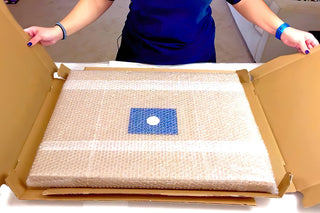
STEP 2 - SHIPPING
We ship your order. We send you an email to track the progress

STEP 3 - DELIVERY
You receive your order. You can also, according to your choice, be delivered to a relay point.
Matte finish
View from behind
Frame (optional)
In the vast panorama of art history, some works manage to transcend their era to capture the very essence of humanity. The "Portrait of a gentleman" by Thomas Phillips is a striking example. Created in the early 19th century, this canvas exudes an aura of mystery and elegance that invites the viewer to delve into the intimacy of a man whose identity remains largely unknown. Through this portrait, Phillips does not merely depict a face; he evokes a personality, a character, a story. This piece, both classical and timeless, continues to inspire and fascinate those who encounter it.
Style and uniqueness of the work
Thomas Phillips's style is distinguished by his ability to combine realism and romanticism. In the "Portrait of a gentleman," the meticulous details of the face, clothing, and accessories demonstrate undeniable technical mastery. The interplay of light and shadow, skillfully orchestrated, gives the figure a striking depth. The gentleman's eyes, with their haunting intensity, seem to tell a thousand stories, captivating the observer's gaze. The color palette, subtly chosen, oscillates between warm and cool tones, creating an atmosphere that is both welcoming and enigmatic. This marriage of techniques and emotions makes this work a true masterpiece, where each brushstroke contributes to the development of a rich and complex visual narrative.
The artist and his influence
Thomas Phillips, born in 1770, is often recognized as one of the most influential portraitists of his time. His career, spanning several decades, is marked by a desire to capture not only the physical appearance of his subjects but also their inner essence. Phillips successfully established himself in the London art scene, mingling with iconic figures and drawing inspiration from the artistic currents of his era. His approach to portraiture, which combines a keen sense of observation with romantic sensitivity, paved the way for many artists who followed him. By redefining the classical portrait, he enabled an evolution toward more personal and psychological representations.
12,34 €