
Painting Portrait of a gentleman in suit - Friedrich Wilhelm Maul


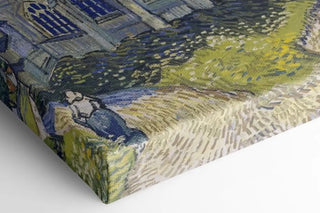
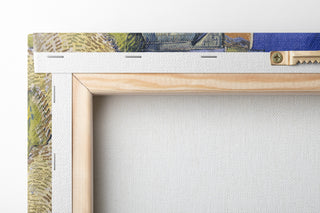
View from behind
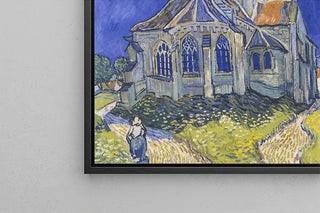
Frame (optional)
In the vast panorama of art history, certain works stand out for their ability to capture the essence of an era or an individual. The "Portrait of a Gentleman in a Suit" by Friedrich Wilhelm Maul is one of those creations that transcends the simple frame of painting to become a true testament to 18th-century society. This piece, both intimate and universal, immerses us in a world where refinement and elegance are combined with profound humanity. Through this portrait, Maul succeeds in immortalizing not only the features of his model but also the atmosphere and values of a time marked by significant social and cultural changes.
Style and uniqueness of the work
Maul's style is characterized by remarkable finesse and meticulous attention to detail. In this portrait, every element, from the fabric of the costume to the facial expressions, is treated with precision that reflects the artist's talent. The colors, both rich and delicate, create a visual harmony that draws the eye and invites contemplation. Light plays a crucial role in this piece, highlighting the gentleman's features while creating a warm and welcoming ambiance. The model's posture, both confident and relaxed, suggests a man of stature without falling into arrogance. This duality is one of the strengths of the composition, making the art print both accessible and mysterious.
The artist and his influence
Friedrich Wilhelm Maul, though less well-known than some of his contemporaries, left an indelible mark on the world of painting. Trained in the academic traditions of his time, he mastered a blend of technical rigor and artistic sensitivity. His work reflects an era when portraiture became a means of asserting social status and personality. Maul captured the spirit of the times, translating the aspirations and concerns of his era through his art prints. His influence extends beyond his own work, inspiring many artists who sought to explore the relationship between the model and their environment, as well as the psychological implications of the portrait. He thus contributed to the evolution of the genre, transforming it into a space of
Painting Portrait of a gentleman in suit - Friedrich Wilhelm Maul

-10% FROM €95 IN PURCHASES
-15% FROM €195 IN PURCHASES
Regular price
- Unit price
- by
Free shipping
€4.90 / Free shipping on orders over €39
Satisfied or Money Back
Free returns within 30 days
10-year warranty
Our prints are guaranteed for 10 years
Any questions? We are here!
by email to contact@artemlegrand.com
THE STEPS OF YOUR ORDER

STEP 1 - ORDER PLACED
Your order has been confirmed and we are starting production
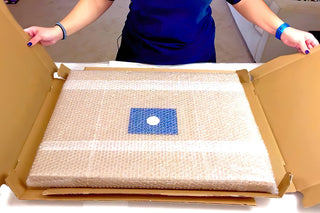
STEP 2 - SHIPPING
We ship your order. We send you an email to track the progress

STEP 3 - DELIVERY
You receive your order. You can also, according to your choice, be delivered to a relay point.
Matte finish
View from behind
Frame (optional)
In the vast panorama of art history, certain works stand out for their ability to capture the essence of an era or an individual. The "Portrait of a Gentleman in a Suit" by Friedrich Wilhelm Maul is one of those creations that transcends the simple frame of painting to become a true testament to 18th-century society. This piece, both intimate and universal, immerses us in a world where refinement and elegance are combined with profound humanity. Through this portrait, Maul succeeds in immortalizing not only the features of his model but also the atmosphere and values of a time marked by significant social and cultural changes.
Style and uniqueness of the work
Maul's style is characterized by remarkable finesse and meticulous attention to detail. In this portrait, every element, from the fabric of the costume to the facial expressions, is treated with precision that reflects the artist's talent. The colors, both rich and delicate, create a visual harmony that draws the eye and invites contemplation. Light plays a crucial role in this piece, highlighting the gentleman's features while creating a warm and welcoming ambiance. The model's posture, both confident and relaxed, suggests a man of stature without falling into arrogance. This duality is one of the strengths of the composition, making the art print both accessible and mysterious.
The artist and his influence
Friedrich Wilhelm Maul, though less well-known than some of his contemporaries, left an indelible mark on the world of painting. Trained in the academic traditions of his time, he mastered a blend of technical rigor and artistic sensitivity. His work reflects an era when portraiture became a means of asserting social status and personality. Maul captured the spirit of the times, translating the aspirations and concerns of his era through his art prints. His influence extends beyond his own work, inspiring many artists who sought to explore the relationship between the model and their environment, as well as the psychological implications of the portrait. He thus contributed to the evolution of the genre, transforming it into a space of