
Painting Portrait of a Gentleman - Giacomo Ceruti | Art print


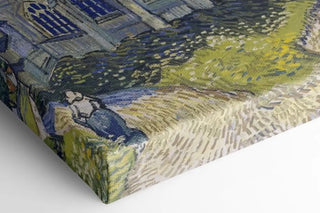
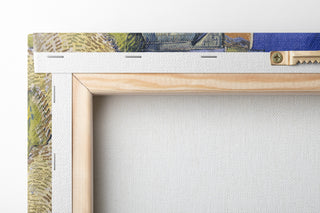
View from behind
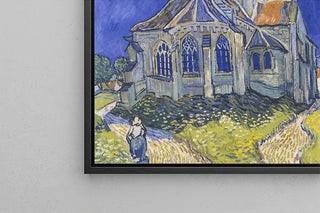
Frame (optional)
Portrait of a Gentleman - Giacomo Ceruti – Captivating Introduction
The "Portrait of a Gentleman" by Giacomo Ceruti evokes a unique interest, both through its subject and the artist's technical mastery. This work, emblematic of the 18th century, immerses us in an era where portrait art was a means of asserting social status and the personality of the depicted individual. Ceruti, known for his ability to capture the psychology of his models, invites us to contemplate not only the external appearance of this gentleman but also his essence, values, and identity. Through this art print, the viewer is transported into a silent dialogue with the character, revealing the depth and complexity of humanity.
Style and uniqueness of the work
Ceruti's style is distinguished by a realistic and intimate approach, far from classical ideals of beauty. In the "Portrait of a Gentleman," the artist uses a palette of earthy colors, which gives the work a warm and authentic atmosphere. The meticulous details, such as the textures of clothing and facial expressions, testify to attentive observation and remarkable artistic sensitivity. Ceruti manages to create an emotional connection between the viewer and the subject, making this piece a true window into the past. The posture of the gentleman, both noble and approachable, evokes a certain dignity, while his gaze seems to invite reflection on the values of his time. This stylistic singularity makes Ceruti a pioneer in portrait art, influencing many artists who follow him.
The artist and his influence
Giacomo Ceruti, often overlooked outside scholarly circles, deserves broader recognition for his contribution to portrait art. Born in Italy, he established himself in an artistic context dominated by figures such as Velázquez and Rembrandt. Ceruti stands out for his ability to depict characters from different social classes, ranging from nobles to peasants, demonstrating a humanist vision. His influence extends beyond his era, inspiring generations of artists to explore the psychological depth of their subjects. By incorporating elements of daily life into his portraits, he paved the way to
Painting Portrait of a Gentleman - Giacomo Ceruti | Art print

-10% FROM €95 IN PURCHASES
-15% FROM €195 IN PURCHASES
Regular price
- Unit price
- per
Tax included.
Free shipping
€4.90 / Free shipping on orders over €39
Satisfied or Money Back
Free returns within 30 days
10-year warranty
Our prints are guaranteed for 10 years
Any questions? We are here!
by email to contact@artemlegrand.com
THE STEPS OF YOUR ORDER

STEP 1 - ORDER PLACED
Your order has been confirmed and we are starting production
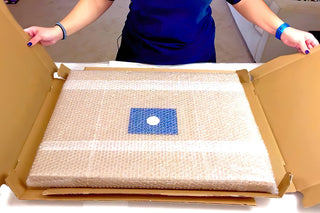
STEP 2 - SHIPPING
We ship your order. We send you an email to track the progress

STEP 3 - DELIVERY
You receive your order. You can also, according to your choice, be delivered to a relay point.
Matte finish
View from behind
Frame (optional)
Portrait of a Gentleman - Giacomo Ceruti – Captivating Introduction
The "Portrait of a Gentleman" by Giacomo Ceruti evokes a unique interest, both through its subject and the artist's technical mastery. This work, emblematic of the 18th century, immerses us in an era where portrait art was a means of asserting social status and the personality of the depicted individual. Ceruti, known for his ability to capture the psychology of his models, invites us to contemplate not only the external appearance of this gentleman but also his essence, values, and identity. Through this art print, the viewer is transported into a silent dialogue with the character, revealing the depth and complexity of humanity.
Style and uniqueness of the work
Ceruti's style is distinguished by a realistic and intimate approach, far from classical ideals of beauty. In the "Portrait of a Gentleman," the artist uses a palette of earthy colors, which gives the work a warm and authentic atmosphere. The meticulous details, such as the textures of clothing and facial expressions, testify to attentive observation and remarkable artistic sensitivity. Ceruti manages to create an emotional connection between the viewer and the subject, making this piece a true window into the past. The posture of the gentleman, both noble and approachable, evokes a certain dignity, while his gaze seems to invite reflection on the values of his time. This stylistic singularity makes Ceruti a pioneer in portrait art, influencing many artists who follow him.
The artist and his influence
Giacomo Ceruti, often overlooked outside scholarly circles, deserves broader recognition for his contribution to portrait art. Born in Italy, he established himself in an artistic context dominated by figures such as Velázquez and Rembrandt. Ceruti stands out for his ability to depict characters from different social classes, ranging from nobles to peasants, demonstrating a humanist vision. His influence extends beyond his era, inspiring generations of artists to explore the psychological depth of their subjects. By incorporating elements of daily life into his portraits, he paved the way to
12,34 €