
Painting Portrait of a Boy with a Marmoset - Hans Holbein the Younger | Art print


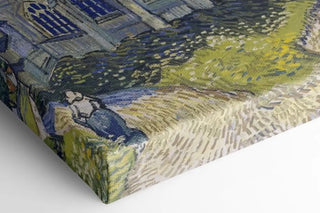
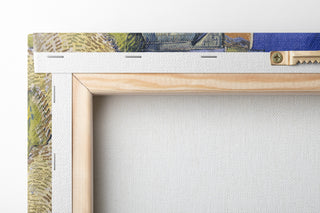
View from behind
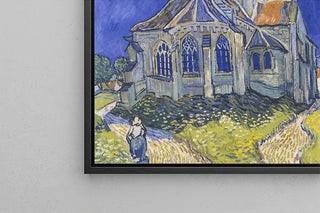
Frame (optional)
The "Art print of Portrait of a Boy with a Marmoset" by Hans Holbein the Younger is an iconic piece that captures the very essence of the Renaissance. This painting, created in the early 16th century, immerses us in a universe where art and nature meet with rare delicacy. The young boy, with a lively gaze and mischievous smile, is accompanied by a marmoset, creating a scene that is both playful and intriguing. This artwork does not merely depict a frozen moment in time; it evokes a story, a relationship between the child and his animal, which still resonates today. The quality of execution, the richness of colors, and the depth of expressions make this piece a true masterpiece that draws the eye and stimulates the imagination.
Style and uniqueness of the work
The uniqueness of this portrait lies in how Holbein manages to capture the personality of the young boy while skillfully integrating his animal companion. The meticulous details, from the folds of the clothing to the reflections in the eyes, testify to exceptional technical mastery. Holbein uses light to bring his subjects to life, creating delicate shadows that add an almost tangible dimension to the scene. The choice of the marmoset, an animal both exotic and familiar, reinforces the playful character of the composition while symbolizing a certain lightness of spirit. This work, at the crossroads between traditional portraiture and genre painting, stands out for its innovative approach and its ability to establish a strong emotional connection with the viewer. Each gaze upon this painting reveals new nuances and invites prolonged contemplation.
The artist and his influence
Hans Holbein the Younger, a prominent figure of the German Renaissance, transcended the boundaries of his era to become one of the most respected portraitists. Born in Augsburg in 1497, he spent part of his life at the court of Henry VIII in England, where he created numerous portraits of the nobility. His unique style, combining precision and expressiveness, influenced generations of artists. Holbein does not merely depict his subjects; he immortalizes them,
Painting Portrait of a Boy with a Marmoset - Hans Holbein the Younger | Art print

-10% FROM €95 IN PURCHASES
-15% FROM €195 IN PURCHASES
Regular price
- Unit price
- per
Tax included.
Free shipping
€4.90 / Free shipping on orders over €39
Satisfied or Money Back
Free returns within 30 days
10-year warranty
Our prints are guaranteed for 10 years
Any questions? We are here!
by email to contact@artemlegrand.com
THE STEPS OF YOUR ORDER

STEP 1 - ORDER PLACED
Your order has been confirmed and we are starting production
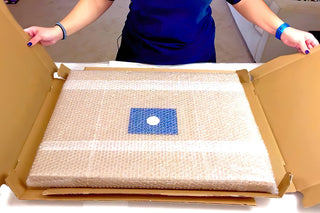
STEP 2 - SHIPPING
We ship your order. We send you an email to track the progress

STEP 3 - DELIVERY
You receive your order. You can also, according to your choice, be delivered to a relay point.
Matte finish
View from behind
Frame (optional)
The "Art print of Portrait of a Boy with a Marmoset" by Hans Holbein the Younger is an iconic piece that captures the very essence of the Renaissance. This painting, created in the early 16th century, immerses us in a universe where art and nature meet with rare delicacy. The young boy, with a lively gaze and mischievous smile, is accompanied by a marmoset, creating a scene that is both playful and intriguing. This artwork does not merely depict a frozen moment in time; it evokes a story, a relationship between the child and his animal, which still resonates today. The quality of execution, the richness of colors, and the depth of expressions make this piece a true masterpiece that draws the eye and stimulates the imagination.
Style and uniqueness of the work
The uniqueness of this portrait lies in how Holbein manages to capture the personality of the young boy while skillfully integrating his animal companion. The meticulous details, from the folds of the clothing to the reflections in the eyes, testify to exceptional technical mastery. Holbein uses light to bring his subjects to life, creating delicate shadows that add an almost tangible dimension to the scene. The choice of the marmoset, an animal both exotic and familiar, reinforces the playful character of the composition while symbolizing a certain lightness of spirit. This work, at the crossroads between traditional portraiture and genre painting, stands out for its innovative approach and its ability to establish a strong emotional connection with the viewer. Each gaze upon this painting reveals new nuances and invites prolonged contemplation.
The artist and his influence
Hans Holbein the Younger, a prominent figure of the German Renaissance, transcended the boundaries of his era to become one of the most respected portraitists. Born in Augsburg in 1497, he spent part of his life at the court of Henry VIII in England, where he created numerous portraits of the nobility. His unique style, combining precision and expressiveness, influenced generations of artists. Holbein does not merely depict his subjects; he immortalizes them,
12,34 €