
Painting Portrait of a Boy with a Golf Club - Wybrand de Geest | Art print


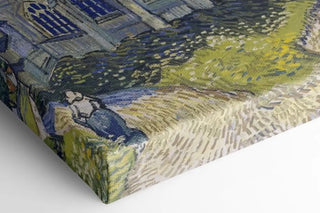
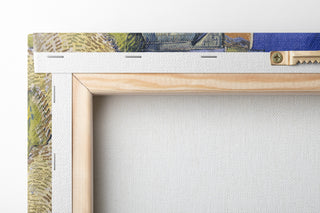
View from behind
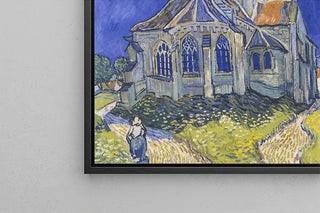
Frame (optional)
Wybrand de Geest's "Portrait of a Boy with a Golf Club" is a piece that transcends the simple frame of painting to offer a penetrating look into youth and innocence. In this depiction, the artist manages to capture not only the physical appearance of the young boy but also the essence of an era when golf was beginning to establish itself as a leisure sport favored by the upper classes. The subject's relaxed posture, his attentive gaze, and the meticulously painted details of the golf club evoke an atmosphere that is both serene and dynamic. This work, far more than a mere portrait, invites reflection on the passage of time and the pleasures of childhood.
Style and uniqueness of the work
Wybrand de Geest's style is distinguished by remarkable finesse in the treatment of textures and colors. The delicate nuances of the boy's skin, the play of light on his clothing, and the subtly blurred background contribute to creating an intimate atmosphere. Every brushstroke seems charged with emotion, and the way the artist renders natural light enhances the vibrancy of the subject. The composition is carefully thought out, balancing the main character with contextual elements that reinforce the visual narrative. The use of color, mainly in soft and harmonious tones, gives the artwork an almost dreamlike dimension, transporting the viewer to a suspended moment where time appears to have stopped.
The artist and his influence
Wybrand de Geest, active in the 17th century, is often regarded as a master of Dutch portrait painting. His innovative approach and technical skill influenced many artists of his time and beyond. By incorporating elements of everyday life into his portraits, he was able to humanize his subjects, giving them a psychological depth rarely achieved before. De Geest was also a pioneer in the use of dramatic lighting, inspiring generations of painters to explore the subtleties of shadow and light. His work, although less well-known than that of some of his contemporaries, deserves special attention for its ability to capture the human soul.
Painting Portrait of a Boy with a Golf Club - Wybrand de Geest | Art print

-10% FROM €95 IN PURCHASES
-15% FROM €195 IN PURCHASES
Regular price
- Unit price
- per
Tax included.
Free shipping
€4.90 / Free shipping on orders over €39
Satisfied or Money Back
Free returns within 30 days
10-year warranty
Our prints are guaranteed for 10 years
Any questions? We are here!
by email to contact@artemlegrand.com
THE STEPS OF YOUR ORDER

STEP 1 - ORDER PLACED
Your order has been confirmed and we are starting production
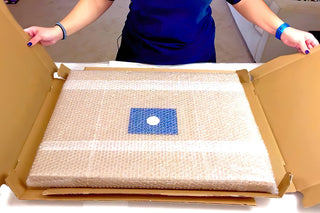
STEP 2 - SHIPPING
We ship your order. We send you an email to track the progress

STEP 3 - DELIVERY
You receive your order. You can also, according to your choice, be delivered to a relay point.
Matte finish
View from behind
Frame (optional)
Wybrand de Geest's "Portrait of a Boy with a Golf Club" is a piece that transcends the simple frame of painting to offer a penetrating look into youth and innocence. In this depiction, the artist manages to capture not only the physical appearance of the young boy but also the essence of an era when golf was beginning to establish itself as a leisure sport favored by the upper classes. The subject's relaxed posture, his attentive gaze, and the meticulously painted details of the golf club evoke an atmosphere that is both serene and dynamic. This work, far more than a mere portrait, invites reflection on the passage of time and the pleasures of childhood.
Style and uniqueness of the work
Wybrand de Geest's style is distinguished by remarkable finesse in the treatment of textures and colors. The delicate nuances of the boy's skin, the play of light on his clothing, and the subtly blurred background contribute to creating an intimate atmosphere. Every brushstroke seems charged with emotion, and the way the artist renders natural light enhances the vibrancy of the subject. The composition is carefully thought out, balancing the main character with contextual elements that reinforce the visual narrative. The use of color, mainly in soft and harmonious tones, gives the artwork an almost dreamlike dimension, transporting the viewer to a suspended moment where time appears to have stopped.
The artist and his influence
Wybrand de Geest, active in the 17th century, is often regarded as a master of Dutch portrait painting. His innovative approach and technical skill influenced many artists of his time and beyond. By incorporating elements of everyday life into his portraits, he was able to humanize his subjects, giving them a psychological depth rarely achieved before. De Geest was also a pioneer in the use of dramatic lighting, inspiring generations of painters to explore the subtleties of shadow and light. His work, although less well-known than that of some of his contemporaries, deserves special attention for its ability to capture the human soul.
12,34 €