
Painting Portrait of a Boy - Per Krafft the Elder | Art print


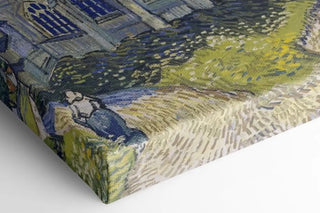
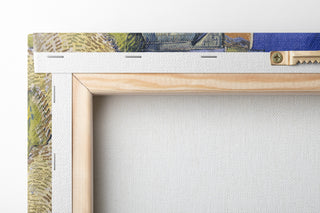
View from behind
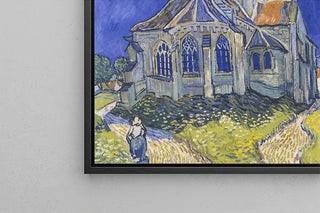
Frame (optional)
Portrait of a Boy - Per Krafft the Elder – Captivating Introduction
The "Portrait of a Boy" by Per Krafft the Elder is a work that captures the eye and evokes admiration. Created in the 18th century, this painting embodies the quintessence of the classical portrait, where the artist manages to capture not only the physical appearance of the subject but also the soul and personality of the depicted child. The soft light bathing the scene, the meticulous details of the face and clothing, as well as the delicate expression of the boy, create an atmosphere that is both intimate and moving. This work is a true testament to Krafft's skill, who masterfully combined technique and sensitivity to bring his model to life.
Style and uniqueness of the work
Per Krafft the Elder's style is distinguished by his ability to blend realism and idealization. In "Portrait of a Boy," each brushstroke seems carefully chosen to reveal the texture of the hair, the softness of the skin, and the brightness of the eyes. The artist uses a subdued yet warm color palette that enhances the lively character of the subject. The background, often blurred, allows the focus to remain on the boy, thus strengthening the sense of proximity between the viewer and the model. This stylistic choice, which combines finesse and depth, makes this work a perfect example of portrait art in the Baroque era. The composition, balanced and harmonious, demonstrates impressive technical mastery while conveying a palpable emotion that touches anyone who observes the painting.
The artist and his influence
Per Krafft the Elder, born in Sweden, made his mark during his time through his contribution to portrait art. Trained in classical traditions, he successfully established himself in a rapidly evolving artistic environment. His works, often influenced by the great European masters, reveal a particular sensitivity for depicting children, a less common subject in the painting of his era. Krafft thus paved the way for a new approach to portraiture, where the individuality of the subject is highlighted with unprecedented delicacy. His influence endures, inspiring generations of artists who seek to capture the essence of their models with the
Painting Portrait of a Boy - Per Krafft the Elder | Art print

-10% FROM €95 IN PURCHASES
-15% FROM €195 IN PURCHASES
Regular price
- Unit price
- per
Tax included.
Free shipping
€4.90 / Free shipping on orders over €39
Satisfied or Money Back
Free returns within 30 days
10-year warranty
Our prints are guaranteed for 10 years
Any questions? We are here!
by email to contact@artemlegrand.com
THE STEPS OF YOUR ORDER

STEP 1 - ORDER PLACED
Your order has been confirmed and we are starting production
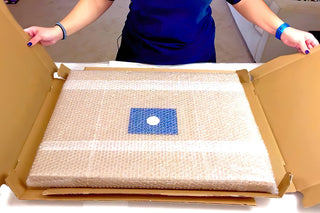
STEP 2 - SHIPPING
We ship your order. We send you an email to track the progress

STEP 3 - DELIVERY
You receive your order. You can also, according to your choice, be delivered to a relay point.
Matte finish
View from behind
Frame (optional)
Portrait of a Boy - Per Krafft the Elder – Captivating Introduction
The "Portrait of a Boy" by Per Krafft the Elder is a work that captures the eye and evokes admiration. Created in the 18th century, this painting embodies the quintessence of the classical portrait, where the artist manages to capture not only the physical appearance of the subject but also the soul and personality of the depicted child. The soft light bathing the scene, the meticulous details of the face and clothing, as well as the delicate expression of the boy, create an atmosphere that is both intimate and moving. This work is a true testament to Krafft's skill, who masterfully combined technique and sensitivity to bring his model to life.
Style and uniqueness of the work
Per Krafft the Elder's style is distinguished by his ability to blend realism and idealization. In "Portrait of a Boy," each brushstroke seems carefully chosen to reveal the texture of the hair, the softness of the skin, and the brightness of the eyes. The artist uses a subdued yet warm color palette that enhances the lively character of the subject. The background, often blurred, allows the focus to remain on the boy, thus strengthening the sense of proximity between the viewer and the model. This stylistic choice, which combines finesse and depth, makes this work a perfect example of portrait art in the Baroque era. The composition, balanced and harmonious, demonstrates impressive technical mastery while conveying a palpable emotion that touches anyone who observes the painting.
The artist and his influence
Per Krafft the Elder, born in Sweden, made his mark during his time through his contribution to portrait art. Trained in classical traditions, he successfully established himself in a rapidly evolving artistic environment. His works, often influenced by the great European masters, reveal a particular sensitivity for depicting children, a less common subject in the painting of his era. Krafft thus paved the way for a new approach to portraiture, where the individuality of the subject is highlighted with unprecedented delicacy. His influence endures, inspiring generations of artists who seek to capture the essence of their models with the
12,34 €