
Painting Portrait of a bearded man wearing a cap, considered the mayor of Dordrecht - Jacob Gerritsz. Cuyp | Art print


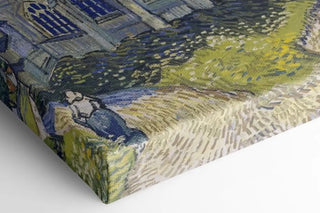
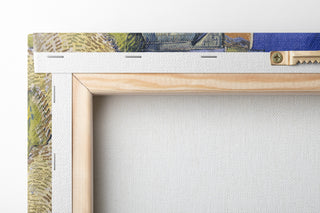
View from behind
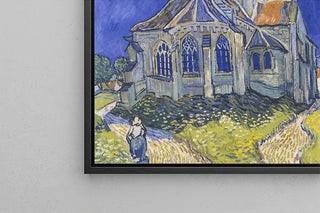
Frame (optional)
In the world of art, some works transcend their era to become silent witnesses of history and culture. The "Portrait of a bearded man wearing a cap, considered the mayor of Dordrecht" by Jacob Gerritsz. Cuyp is one of these iconic pieces. This painting, which delicately captures the essence of a man of power in the 17th century, invites us to delve into the universe of court portraits, where every detail matters and every brushstroke tells a story. Far from being a simple portrait, this artwork is an open window into the customs and values of a society in full transformation, that of the United Provinces, where art and politics intertwine.
Style and uniqueness of the work
Cuyp's style is distinguished by its ability to combine realism and idealization, creating a harmonious balance between physical appearance and the spiritual essence of his subjects. In this portrait, the treatment of textures, whether the softness of the skin or the richness of fabrics, reveals impressive technical mastery. The cap, a symbol of dignity and social status, is rendered with precision that highlights the artist's skill. The colors, both vivid and nuanced, give depth to the work, while the light, skillfully manipulated, highlights the face of the character, instantly drawing the viewer's attention. This meticulous attention to detail makes this work a perfect example of 17th-century Dutch style, where each portrait is a celebration of individuality.
The artist and his influence
Jacob Gerritsz. Cuyp, a major figure in Dutch art, established himself as one of the most respected portraitists of his time. His work, marked by a singular sensitivity, testifies to a deep understanding of man and his environment. Influenced by masters such as Rembrandt, Cuyp developed a personal style that combines the rigor of realism with a certain poetry. His impact on future generations is undeniable, as he paved the way for a new approach to portraiture, where the psychology of the
Painting Portrait of a bearded man wearing a cap, considered the mayor of Dordrecht - Jacob Gerritsz. Cuyp | Art print

-10% FROM €95 IN PURCHASES
-15% FROM €195 IN PURCHASES
Regular price
- Unit price
- per
Tax included.
Free shipping
€4.90 / Free shipping on orders over €39
Satisfied or Money Back
Free returns within 30 days
10-year warranty
Our prints are guaranteed for 10 years
Any questions? We are here!
by email to contact@artemlegrand.com
THE STEPS OF YOUR ORDER

STEP 1 - ORDER PLACED
Your order has been confirmed and we are starting production
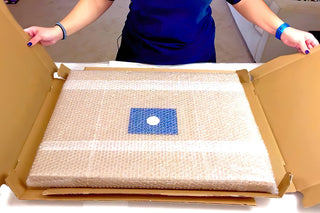
STEP 2 - SHIPPING
We ship your order. We send you an email to track the progress

STEP 3 - DELIVERY
You receive your order. You can also, according to your choice, be delivered to a relay point.
Matte finish
View from behind
Frame (optional)
In the world of art, some works transcend their era to become silent witnesses of history and culture. The "Portrait of a bearded man wearing a cap, considered the mayor of Dordrecht" by Jacob Gerritsz. Cuyp is one of these iconic pieces. This painting, which delicately captures the essence of a man of power in the 17th century, invites us to delve into the universe of court portraits, where every detail matters and every brushstroke tells a story. Far from being a simple portrait, this artwork is an open window into the customs and values of a society in full transformation, that of the United Provinces, where art and politics intertwine.
Style and uniqueness of the work
Cuyp's style is distinguished by its ability to combine realism and idealization, creating a harmonious balance between physical appearance and the spiritual essence of his subjects. In this portrait, the treatment of textures, whether the softness of the skin or the richness of fabrics, reveals impressive technical mastery. The cap, a symbol of dignity and social status, is rendered with precision that highlights the artist's skill. The colors, both vivid and nuanced, give depth to the work, while the light, skillfully manipulated, highlights the face of the character, instantly drawing the viewer's attention. This meticulous attention to detail makes this work a perfect example of 17th-century Dutch style, where each portrait is a celebration of individuality.
The artist and his influence
Jacob Gerritsz. Cuyp, a major figure in Dutch art, established himself as one of the most respected portraitists of his time. His work, marked by a singular sensitivity, testifies to a deep understanding of man and his environment. Influenced by masters such as Rembrandt, Cuyp developed a personal style that combines the rigor of realism with a certain poetry. His impact on future generations is undeniable, as he paved the way for a new approach to portraiture, where the psychology of the
12,34 €