
Painting Portrait of Isabella Brant - Peter Paul Rubens | Art print Source: Tableau Portrait d'Isabella Brant - Peter Paul Rubens | Reproduction


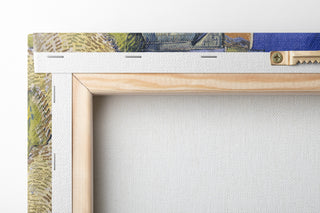
View from behind
Frame (optional)
Portrait of Isabella Brant - Peter Paul Rubens – Engaging Introduction
The "Portrait of Isabella Brant" by Peter Paul Rubens is an iconic work that embodies the beauty and emotional depth of Flemish baroque. Created in the early 17th century, this painting goes beyond simply depicting a female figure; it also evokes an intimate and sensual atmosphere. Isabella Brant, the artist's wife, is portrayed with unmatched grace, offering viewers a glimpse into the life and feelings of the period. This portrait, through its realism and chromatic richness, invites prolonged contemplation and immersion into Rubens' artistic universe.
Style and uniqueness of the work
Rubens' style is characterized by an exceptional mastery of light and shadow, creating a three-dimensionality that brings his subjects to life. In the "Portrait of Isabella Brant," the warm color palette and delicate textures of the fabrics highlight the natural beauty of the artist's wife. Details such as the pearls adorning her clothing and the blurred background that accentuates her silhouette demonstrate meticulous attention to the elements composing the painting. Isabella's gentle and serene expression, along with her graceful posture, exude an aura of dignity and delicacy, making this work a true masterpiece of baroque portraiture. The composition, balanced and harmonious, encourages viewers to reflect on the relationship between the artist and his model, while celebrating feminine beauty in all its forms.
The artist and his influence
Peter Paul Rubens, a major figure of baroque painting, transcended the conventions of his time to create works that continue to inspire contemporary artists. His ability to capture human emotion and play with light paved the way for numerous artistic movements, influencing generations of painters. Rubens was also a man of letters and a diplomat, which allowed him to broaden his artistic horizons through travels across Europe and by immersing himself in various styles he encountered. His dynamic approach to composition, combined with a passion for mythology and religion, has
Painting Portrait of Isabella Brant - Peter Paul Rubens | Art print Source: Tableau Portrait d'Isabella Brant - Peter Paul Rubens | Reproduction

-10% FROM €95 IN PURCHASES
-15% FROM €195 IN PURCHASES
Regular price
- Unit price
- per
Tax included.
Free shipping
€4.90 / Free shipping on orders over €39
Satisfied or Money Back
Free returns within 30 days
10-year warranty
Our prints are guaranteed for 10 years
Any questions? We are here!
by email to contact@artemlegrand.com
THE STEPS OF YOUR ORDER

STEP 1 - ORDER PLACED
Your order has been confirmed and we are starting production
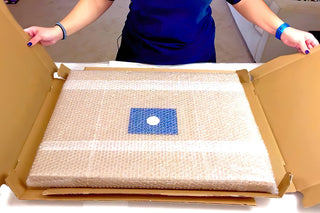
STEP 2 - SHIPPING
We ship your order. We send you an email to track the progress

STEP 3 - DELIVERY
You receive your order. You can also, according to your choice, be delivered to a relay point.
Matte finish
View from behind
Frame (optional)
Portrait of Isabella Brant - Peter Paul Rubens – Engaging Introduction
The "Portrait of Isabella Brant" by Peter Paul Rubens is an iconic work that embodies the beauty and emotional depth of Flemish baroque. Created in the early 17th century, this painting goes beyond simply depicting a female figure; it also evokes an intimate and sensual atmosphere. Isabella Brant, the artist's wife, is portrayed with unmatched grace, offering viewers a glimpse into the life and feelings of the period. This portrait, through its realism and chromatic richness, invites prolonged contemplation and immersion into Rubens' artistic universe.
Style and uniqueness of the work
Rubens' style is characterized by an exceptional mastery of light and shadow, creating a three-dimensionality that brings his subjects to life. In the "Portrait of Isabella Brant," the warm color palette and delicate textures of the fabrics highlight the natural beauty of the artist's wife. Details such as the pearls adorning her clothing and the blurred background that accentuates her silhouette demonstrate meticulous attention to the elements composing the painting. Isabella's gentle and serene expression, along with her graceful posture, exude an aura of dignity and delicacy, making this work a true masterpiece of baroque portraiture. The composition, balanced and harmonious, encourages viewers to reflect on the relationship between the artist and his model, while celebrating feminine beauty in all its forms.
The artist and his influence
Peter Paul Rubens, a major figure of baroque painting, transcended the conventions of his time to create works that continue to inspire contemporary artists. His ability to capture human emotion and play with light paved the way for numerous artistic movements, influencing generations of painters. Rubens was also a man of letters and a diplomat, which allowed him to broaden his artistic horizons through travels across Europe and by immersing himself in various styles he encountered. His dynamic approach to composition, combined with a passion for mythology and religion, has
12,34 €