
Painting Portrait of Isaac Jan Alexander Gogel - Mattheus Ignatius van Bree


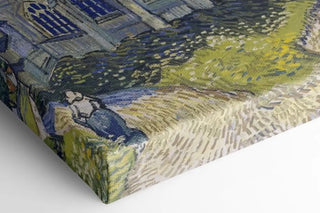
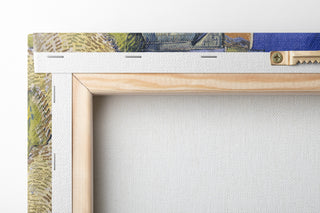
View from behind
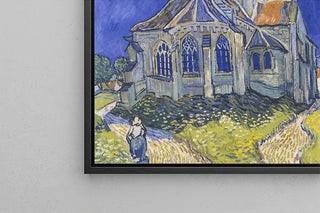
Frame (optional)
In the fascinating world of art, some works stand out for their ability to capture the very essence of their subject. The "Portrait of Isaac Jan Alexander Gogel" by Mattheus Ignatius van Bree is a compelling example. This painting, which transcends a simple portrait to become a true window into the soul of its model, invites us to explore the historical and cultural context of the 19th century. Through this artwork, the artist manages to establish a timeless dialogue between the viewer and the subject, making this piece unforgettable and deeply emotional.
Style and uniqueness of the work
The style of Mattheus Ignatius van Bree is characterized by an impressive mastery of portrait techniques, blending realism and sensitivity. In this portrait, light plays a crucial role, highlighting the features of Isaac Jan Alexander Gogel with remarkable delicacy. The carefully chosen color nuances give the piece a depth that draws the eye and evokes emotion. The posture of the model, both dignified and approachable, demonstrates the artist's skill in capturing the personality of his subject. Every detail, from the fabric of the clothing to facial expressions, is treated with meticulous care, creating a visual harmony that invites contemplation. This portrait does not merely depict an individual; it evokes a time, a culture, and a history, making each gaze a journey through time.
The artist and his influence
Mattheus Ignatius van Bree, an emblematic figure of the 19th century, made a name for himself in the world of Dutch painting. Trained in classical traditions, he evolved by incorporating contemporary elements into his art. His influence extends far beyond his own works, inspiring many artists who followed in his footsteps. By choosing to paint portraits, he contributed to redefining the genre, emphasizing the psychology of the subjects rather than their social status. This approach paved the way for a new way of perceiving the portrait, where the individual becomes the focal point of the work. Van Bree also played a role in promoting Dutch art, traveling across
Painting Portrait of Isaac Jan Alexander Gogel - Mattheus Ignatius van Bree

-10% FROM €95 IN PURCHASES
-15% FROM €195 IN PURCHASES
Regular price
- Unit price
- per
Tax included.
Free shipping
€4.90 / Free shipping on orders over €39
Satisfied or Money Back
Free returns within 30 days
10-year warranty
Our prints are guaranteed for 10 years
Any questions? We are here!
by email to contact@artemlegrand.com
THE STEPS OF YOUR ORDER

STEP 1 - ORDER PLACED
Your order has been confirmed and we are starting production
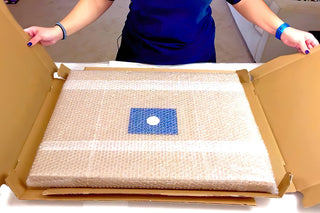
STEP 2 - SHIPPING
We ship your order. We send you an email to track the progress

STEP 3 - DELIVERY
You receive your order. You can also, according to your choice, be delivered to a relay point.
Matte finish
View from behind
Frame (optional)
In the fascinating world of art, some works stand out for their ability to capture the very essence of their subject. The "Portrait of Isaac Jan Alexander Gogel" by Mattheus Ignatius van Bree is a compelling example. This painting, which transcends a simple portrait to become a true window into the soul of its model, invites us to explore the historical and cultural context of the 19th century. Through this artwork, the artist manages to establish a timeless dialogue between the viewer and the subject, making this piece unforgettable and deeply emotional.
Style and uniqueness of the work
The style of Mattheus Ignatius van Bree is characterized by an impressive mastery of portrait techniques, blending realism and sensitivity. In this portrait, light plays a crucial role, highlighting the features of Isaac Jan Alexander Gogel with remarkable delicacy. The carefully chosen color nuances give the piece a depth that draws the eye and evokes emotion. The posture of the model, both dignified and approachable, demonstrates the artist's skill in capturing the personality of his subject. Every detail, from the fabric of the clothing to facial expressions, is treated with meticulous care, creating a visual harmony that invites contemplation. This portrait does not merely depict an individual; it evokes a time, a culture, and a history, making each gaze a journey through time.
The artist and his influence
Mattheus Ignatius van Bree, an emblematic figure of the 19th century, made a name for himself in the world of Dutch painting. Trained in classical traditions, he evolved by incorporating contemporary elements into his art. His influence extends far beyond his own works, inspiring many artists who followed in his footsteps. By choosing to paint portraits, he contributed to redefining the genre, emphasizing the psychology of the subjects rather than their social status. This approach paved the way for a new way of perceiving the portrait, where the individual becomes the focal point of the work. Van Bree also played a role in promoting Dutch art, traveling across
12,34 €