
Portrait Painting of Isaac de Bruijn 1872-1953 - Jan Veth | Art print


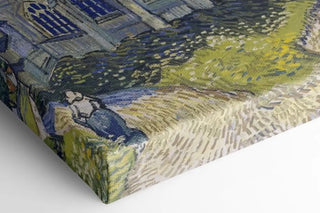
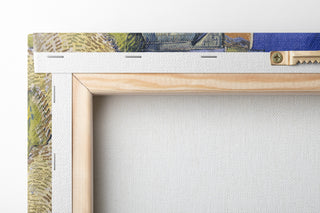
View from behind
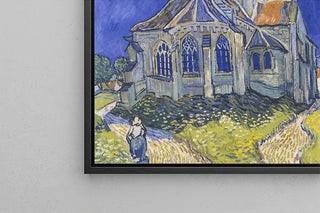
Frame (optional)
Portrait of Isaac de Bruijn 1872-1953 - Jan Veth – Captivating Introduction
The "Portrait of Isaac de Bruijn" by Jan Veth is a work that transcends the simple framework of an artistic representation to immerse the viewer in a universe rich in emotions and stories. This painting, dating from the first half of the 20th century, bears witness to an era when art reflected sociocultural evolutions. In this piece, Veth manages to capture not only the physical appearance of his model but also his essence, character, and history. Isaac de Bruijn's piercing gaze, combined with the delicacy of the features, evokes a psychological depth that invites contemplation. The work presents itself as an invitation to explore the life of this man, while offering a glimpse of the undeniable talent of the artist.
Style and uniqueness of the work
Jan Veth's style is distinguished by his ability to blend realism and impressionism. In the "Portrait of Isaac de Bruijn," this duality is expressed through brushstrokes that are both precise and fluid, creating harmony between meticulous details and a vibrant atmosphere. The colors chosen by the artist, subtly nuanced, add warmth to the composition, while light plays a fundamental role in highlighting the facial features. This portrait is not limited to a simple representation but becomes a true dialogue between the artist and his model. Shadows and lights, the texture of the clothing—all contribute to bringing this image to life, making the viewer a witness to a fleeting moment frozen in time. Through this work, Veth demonstrates his mastery of technique while infusing a soul into his subject.
The artist and his influence
Jan Veth, born in 1864 in the Netherlands, is an emblematic figure of 20th-century Dutch painting. His artistic journey, rich and varied, leads him to explore different styles and techniques, while absorbing the artistic currents of his time. Veth is recognized not only for his portraits but also for his landscapes and still lifes, demonstrating a versatility that marked his era. His approach to portraiture, in particular, has influenced
Portrait Painting of Isaac de Bruijn 1872-1953 - Jan Veth | Art print

-10% FROM €95 IN PURCHASES
-15% FROM €195 IN PURCHASES
Regular price
- Unit price
- per
Tax included.
Free shipping
€4.90 / Free shipping on orders over €39
Satisfied or Money Back
Free returns within 30 days
10-year warranty
Our prints are guaranteed for 10 years
Any questions? We are here!
by email to contact@artemlegrand.com
THE STEPS OF YOUR ORDER

STEP 1 - ORDER PLACED
Your order has been confirmed and we are starting production
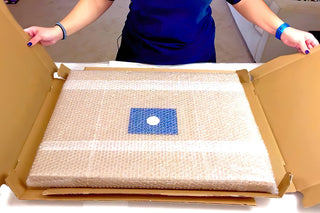
STEP 2 - SHIPPING
We ship your order. We send you an email to track the progress

STEP 3 - DELIVERY
You receive your order. You can also, according to your choice, be delivered to a relay point.
Matte finish
View from behind
Frame (optional)
Portrait of Isaac de Bruijn 1872-1953 - Jan Veth – Captivating Introduction
The "Portrait of Isaac de Bruijn" by Jan Veth is a work that transcends the simple framework of an artistic representation to immerse the viewer in a universe rich in emotions and stories. This painting, dating from the first half of the 20th century, bears witness to an era when art reflected sociocultural evolutions. In this piece, Veth manages to capture not only the physical appearance of his model but also his essence, character, and history. Isaac de Bruijn's piercing gaze, combined with the delicacy of the features, evokes a psychological depth that invites contemplation. The work presents itself as an invitation to explore the life of this man, while offering a glimpse of the undeniable talent of the artist.
Style and uniqueness of the work
Jan Veth's style is distinguished by his ability to blend realism and impressionism. In the "Portrait of Isaac de Bruijn," this duality is expressed through brushstrokes that are both precise and fluid, creating harmony between meticulous details and a vibrant atmosphere. The colors chosen by the artist, subtly nuanced, add warmth to the composition, while light plays a fundamental role in highlighting the facial features. This portrait is not limited to a simple representation but becomes a true dialogue between the artist and his model. Shadows and lights, the texture of the clothing—all contribute to bringing this image to life, making the viewer a witness to a fleeting moment frozen in time. Through this work, Veth demonstrates his mastery of technique while infusing a soul into his subject.
The artist and his influence
Jan Veth, born in 1864 in the Netherlands, is an emblematic figure of 20th-century Dutch painting. His artistic journey, rich and varied, leads him to explore different styles and techniques, while absorbing the artistic currents of his time. Veth is recognized not only for his portraits but also for his landscapes and still lifes, demonstrating a versatility that marked his era. His approach to portraiture, in particular, has influenced
12,34 €