
Portrait of Eustachine Jeanne d'Osmond - Jean-Baptiste Isabey | Art print


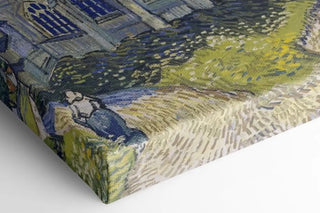
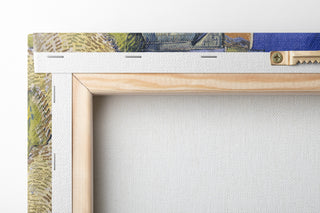
View from behind
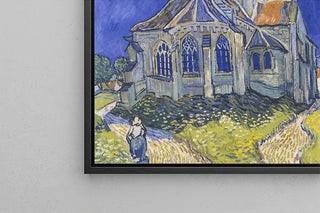
Frame (optional)
Portrait of Eustachine Jeanne d'Osmond - Jean-Baptiste Isabey – Captivating Introduction
The "Portrait of Eustachine Jeanne d'Osmond" by Jean-Baptiste Isabey is an iconic artwork that embodies the elegance and finesse of portraiture in the early 19th century. This piece, which captures the grace of a noble lady, is much more than a simple representation; it reflects an era when art and society were deeply intertwined. Through its delicate brushstrokes and chromatic choices, Isabey succeeds in immortalizing not only the appearance of Eustachine Jeanne d'Osmond but also her essence, social status, and character. This portrait, enchanting in its simplicity and depth, invites viewers to immerse themselves in the refined universe of French high society of its time.
Style and uniqueness of the work
Isabey's style is distinguished by its ability to combine realism and romanticism, a duality that is brilliantly expressed in the "Portrait of Eustachine Jeanne d'Osmond." The finesse of the details, especially in the rendering of fabrics and accessories, demonstrates impressive technical mastery. The colors, carefully chosen, evoke an atmosphere of softness and serenity. Light plays a leading role in the composition, highlighting the delicate features of the sitter's face while creating a harmonious contrast with the background. Isabey manages to breathe palpable life into his subject, capturing a moment of intimacy that transcends time. This portrait is a true ode to feminine beauty, while also reflecting the values and aspirations of a society in full transformation.
The artist and his influence
Jean-Baptiste Isabey, born in 1767, was an artist whose work left a mark on his era. A pupil of Jean-Baptiste Greuze, he developed a distinctive style influenced by neoclassical and romantic currents. Isabey was also a renowned portraitist, appreciated by the nobility and bourgeoisie of his time. His ability to capture the soul of his subjects earned him lasting recognition, and his influence is evident among many artists who followed in his footsteps. As a court artist, he
Portrait of Eustachine Jeanne d'Osmond - Jean-Baptiste Isabey | Art print

-10% FROM €95 IN PURCHASES
-15% FROM €195 IN PURCHASES
Regular price
- Unit price
- per
Tax included.
Free shipping
€4.90 / Free shipping on orders over €39
Satisfied or Money Back
Free returns within 30 days
10-year warranty
Our prints are guaranteed for 10 years
Any questions? We are here!
by email to contact@artemlegrand.com
THE STEPS OF YOUR ORDER
STEP 1 - ORDER PLACED
Your order has been confirmed and we are starting production
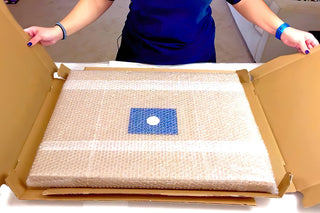
STEP 2 - SHIPPING
We ship your order. We send you an email to track the progress

STEP 3 - DELIVERY
You receive your order. You can also, according to your choice, be delivered to a relay point.
Matte finish
View from behind
Frame (optional)
Portrait of Eustachine Jeanne d'Osmond - Jean-Baptiste Isabey – Captivating Introduction
The "Portrait of Eustachine Jeanne d'Osmond" by Jean-Baptiste Isabey is an iconic artwork that embodies the elegance and finesse of portraiture in the early 19th century. This piece, which captures the grace of a noble lady, is much more than a simple representation; it reflects an era when art and society were deeply intertwined. Through its delicate brushstrokes and chromatic choices, Isabey succeeds in immortalizing not only the appearance of Eustachine Jeanne d'Osmond but also her essence, social status, and character. This portrait, enchanting in its simplicity and depth, invites viewers to immerse themselves in the refined universe of French high society of its time.
Style and uniqueness of the work
Isabey's style is distinguished by its ability to combine realism and romanticism, a duality that is brilliantly expressed in the "Portrait of Eustachine Jeanne d'Osmond." The finesse of the details, especially in the rendering of fabrics and accessories, demonstrates impressive technical mastery. The colors, carefully chosen, evoke an atmosphere of softness and serenity. Light plays a leading role in the composition, highlighting the delicate features of the sitter's face while creating a harmonious contrast with the background. Isabey manages to breathe palpable life into his subject, capturing a moment of intimacy that transcends time. This portrait is a true ode to feminine beauty, while also reflecting the values and aspirations of a society in full transformation.
The artist and his influence
Jean-Baptiste Isabey, born in 1767, was an artist whose work left a mark on his era. A pupil of Jean-Baptiste Greuze, he developed a distinctive style influenced by neoclassical and romantic currents. Isabey was also a renowned portraitist, appreciated by the nobility and bourgeoisie of his time. His ability to capture the soul of his subjects earned him lasting recognition, and his influence is evident among many artists who followed in his footsteps. As a court artist, he
12,34 €