
Portrait Painting of Helen Miller Mme Charles G. Mclean - Rembrandt Peale | Art print


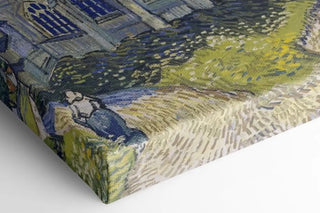
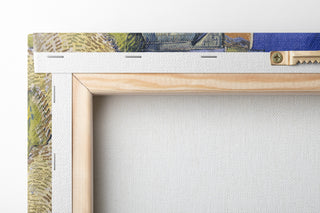
View from behind
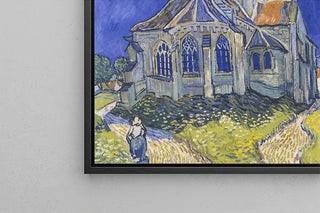
Frame (optional)
Portrait of Helen Miller Mme Charles G. Mclean by Rembrandt Peale – Captivating Introduction
The "Portrait of Helen Miller Mme Charles G. Mclean" created by Rembrandt Peale is a work that transcends the simple frame of painting to become a true window into the soul of 18th-century America. This painting, imbued with delicacy and psychological depth, embodies the quintessence of the classic portrait, where the artist manages to capture not only the physical appearance of his subject but also their inner essence. Through this portrait, Peale invites us to explore the fascinating world of American aristocracy of his time, while immersing us in an atmosphere of refinement and sophistication.
Style and uniqueness of the work
Rembrandt Peale's style is distinguished by his ability to blend realism with romantic sensitivity. In this portrait, the meticulous details of Helen Miller's face, such as the softness of her gaze and the finesse of her features, demonstrate remarkable technical mastery. The color palette chosen by the artist, oscillating between warm tones and subtle shadows, creates an intimate atmosphere that envelops the viewer. The light, skillfully orchestrated, highlights the textures of the clothing, adding a tactile dimension to the work. Peale, a true virtuoso, manages to make each element of the painting come alive, thus inviting the observer to ponder the thoughts and emotions of his subject. This portrait also stands out for its psychological approach, where the artist seems to decipher the soul of Mme G. Mclean, making the painting all the more captivating.
The artist and his influence
Rembrandt Peale, son of the renowned painter Charles Willson Peale, established himself as one of the most influential portraitists of his era. Trained in the wake of the great European masters, he mastered classical painting techniques while developing a unique style that reflects the emerging American identity. His career, marked by portraits of emblematic figures of his time, bears witness to his commitment to immortalizing the history and culture of his country. Peale not only contributed to the evolution of the American portrait but also played a key role in promoting art as a
Portrait Painting of Helen Miller Mme Charles G. Mclean - Rembrandt Peale | Art print

-10% FROM €95 IN PURCHASES
-15% FROM €195 IN PURCHASES
Regular price
- Unit price
- per
Tax included.
Free shipping
€4.90 / Free shipping on orders over €39
Satisfied or Money Back
Free returns within 30 days
10-year warranty
Our prints are guaranteed for 10 years
Any questions? We are here!
by email to contact@artemlegrand.com
THE STEPS OF YOUR ORDER

STEP 1 - ORDER PLACED
Your order has been confirmed and we are starting production
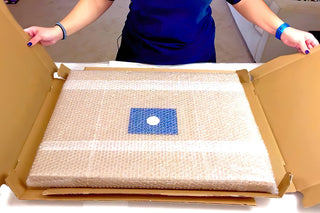
STEP 2 - SHIPPING
We ship your order. We send you an email to track the progress

STEP 3 - DELIVERY
You receive your order. You can also, according to your choice, be delivered to a relay point.
Matte finish
View from behind
Frame (optional)
Portrait of Helen Miller Mme Charles G. Mclean by Rembrandt Peale – Captivating Introduction
The "Portrait of Helen Miller Mme Charles G. Mclean" created by Rembrandt Peale is a work that transcends the simple frame of painting to become a true window into the soul of 18th-century America. This painting, imbued with delicacy and psychological depth, embodies the quintessence of the classic portrait, where the artist manages to capture not only the physical appearance of his subject but also their inner essence. Through this portrait, Peale invites us to explore the fascinating world of American aristocracy of his time, while immersing us in an atmosphere of refinement and sophistication.
Style and uniqueness of the work
Rembrandt Peale's style is distinguished by his ability to blend realism with romantic sensitivity. In this portrait, the meticulous details of Helen Miller's face, such as the softness of her gaze and the finesse of her features, demonstrate remarkable technical mastery. The color palette chosen by the artist, oscillating between warm tones and subtle shadows, creates an intimate atmosphere that envelops the viewer. The light, skillfully orchestrated, highlights the textures of the clothing, adding a tactile dimension to the work. Peale, a true virtuoso, manages to make each element of the painting come alive, thus inviting the observer to ponder the thoughts and emotions of his subject. This portrait also stands out for its psychological approach, where the artist seems to decipher the soul of Mme G. Mclean, making the painting all the more captivating.
The artist and his influence
Rembrandt Peale, son of the renowned painter Charles Willson Peale, established himself as one of the most influential portraitists of his era. Trained in the wake of the great European masters, he mastered classical painting techniques while developing a unique style that reflects the emerging American identity. His career, marked by portraits of emblematic figures of his time, bears witness to his commitment to immortalizing the history and culture of his country. Peale not only contributed to the evolution of the American portrait but also played a key role in promoting art as a
12,34 €