
Painting Portrait of a Child - Lambert Sustris | Art print


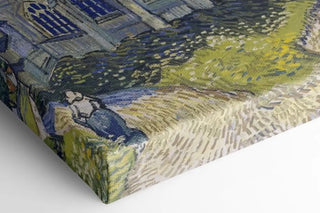
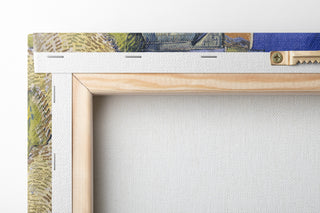
View from behind
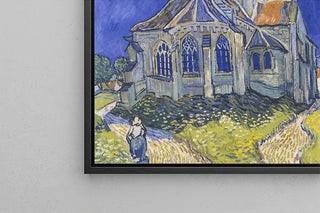
Frame (optional)
The "Child Portrait" by Lambert Sustris is a work that transcends the simple frame of painting to immerse us in a universe filled with tenderness and poetry. This painting, created in the 16th century, masterfully illustrates the innocence of childhood while offering a glimpse into the artistic sensitivity of its time. Through the child's gaze, Sustris manages to capture not only an image but also an emotion, an atmosphere that still resonates today. The art print of this work allows for appreciation of the delicacy of the features and the mastery of colors, inviting the viewer to a serene and reflective contemplation.
Style and uniqueness of the work
Sustris's style is distinguished by its meticulous attention to detail and its soft, harmonious color palette. In the "Child Portrait," every element, from the face to the texture of the clothing, is treated with precision that demonstrates the artist's exceptional craftsmanship. The child, depicted with an expression that is both curious and dreamy, immediately draws the eye with its sparkling, lively gaze. Light plays a crucial role in this composition, subtly illuminating the child's face and creating an intimate atmosphere. This portrait is not just a representation but a true invitation to delve into the innocence and purity of childhood, capturing a fleeting moment that time cannot erase.
The artist and his influence
Lambert Sustris, born in the Netherlands and active in Italy, skillfully blended Flemish and Italian influences to create a unique style that marked his era. Trained in the workshop of great masters, he developed a particular sensitivity for depicting human figures, especially children. His work, often imbued with melancholy and softness, influenced many artists of his time and contributed to the evolution of the portrait as a genre. Sustris also left a lasting imprint on how light and color are used to evoke emotions, a technique that will continue to inspire generations of artists. Rediscovering his "Child Portrait," one cannot help but appreciate the legacy
Painting Portrait of a Child - Lambert Sustris | Art print

-10% FROM €95 IN PURCHASES
-15% FROM €195 IN PURCHASES
Regular price
- Unit price
- per
Tax included.
Free shipping
€4.90 / Free shipping on orders over €39
Satisfied or Money Back
Free returns within 30 days
10-year warranty
Our prints are guaranteed for 10 years
Any questions? We are here!
by email to contact@artemlegrand.com
THE STEPS OF YOUR ORDER

STEP 1 - ORDER PLACED
Your order has been confirmed and we are starting production
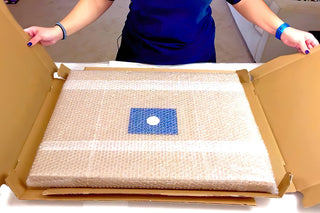
STEP 2 - SHIPPING
We ship your order. We send you an email to track the progress

STEP 3 - DELIVERY
You receive your order. You can also, according to your choice, be delivered to a relay point.
Matte finish
View from behind
Frame (optional)
The "Child Portrait" by Lambert Sustris is a work that transcends the simple frame of painting to immerse us in a universe filled with tenderness and poetry. This painting, created in the 16th century, masterfully illustrates the innocence of childhood while offering a glimpse into the artistic sensitivity of its time. Through the child's gaze, Sustris manages to capture not only an image but also an emotion, an atmosphere that still resonates today. The art print of this work allows for appreciation of the delicacy of the features and the mastery of colors, inviting the viewer to a serene and reflective contemplation.
Style and uniqueness of the work
Sustris's style is distinguished by its meticulous attention to detail and its soft, harmonious color palette. In the "Child Portrait," every element, from the face to the texture of the clothing, is treated with precision that demonstrates the artist's exceptional craftsmanship. The child, depicted with an expression that is both curious and dreamy, immediately draws the eye with its sparkling, lively gaze. Light plays a crucial role in this composition, subtly illuminating the child's face and creating an intimate atmosphere. This portrait is not just a representation but a true invitation to delve into the innocence and purity of childhood, capturing a fleeting moment that time cannot erase.
The artist and his influence
Lambert Sustris, born in the Netherlands and active in Italy, skillfully blended Flemish and Italian influences to create a unique style that marked his era. Trained in the workshop of great masters, he developed a particular sensitivity for depicting human figures, especially children. His work, often imbued with melancholy and softness, influenced many artists of his time and contributed to the evolution of the portrait as a genre. Sustris also left a lasting imprint on how light and color are used to evoke emotions, a technique that will continue to inspire generations of artists. Rediscovering his "Child Portrait," one cannot help but appreciate the legacy
12,34 €