
Art print Portrait of Barend Hakvoort 1652-1735 - Hendrick ten Oever


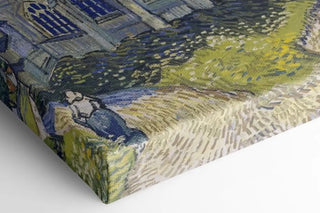
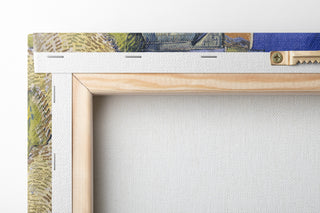
View from behind
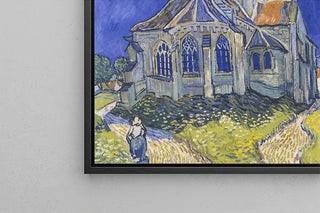
Frame (optional)
In the fascinating world of 17th-century Dutch art, the portrait of Barend Hakvoort by Hendrick ten Oever stands out as a poignant testament to a time when painting reflected social and cultural values. This artwork, created between 1652 and 1735, does more than capture a man's appearance; it also evokes the essence of a personality through a subtle play of light and shadow. The depiction of Hakvoort, an influential businessman of his era, allows us to grasp the nuances of a society in full bloom, where commerce and culture intertwine. Contemplating this art print transports the viewer into a universe where every detail tells a story, and every color evokes an emotion.
Style and uniqueness of the work
Hendrick ten Oever's style is characterized by an impressive mastery of pictorial techniques, revealing meticulous attention to detail and a capacity to capture the soul of his subjects. In the portrait of Barend Hakvoort, facial features are rendered with astonishing precision, while the choice of colors evokes the richness and depth of human emotions. The drapery of Hakvoort's attire, carefully crafted, testifies to the artist's skill, while the dark background accentuates the imposing presence of the figure. This contrast between the luminous subject and the dark backdrop creates an atmosphere that is both intimate and solemn, allowing the viewer to immerse themselves in Hakvoort's personal universe. The composition, balanced and harmonious, also demonstrates a deep understanding of perspective principles, making the work even more captivating.
The artist and his influence
Hendrick ten Oever, although less well-known than some of his contemporaries, managed to establish himself in the artistic landscape of his time thanks to his undeniable talent and unique sensitivity. Trained in the workshop of renowned masters, he developed a style that combines technical rigor and expressiveness. His work is distinguished by a humanist approach, emphasizing the psychology of the characters he depicts. Ten Oever succeeded in capturing the spirit of his era, in
Art print Portrait of Barend Hakvoort 1652-1735 - Hendrick ten Oever

-10% FROM €95 IN PURCHASES
-15% FROM €195 IN PURCHASES
Regular price
- Unit price
- per
Tax included.
Free shipping
€4.90 / Free shipping on orders over €39
Satisfied or Money Back
Free returns within 30 days
10-year warranty
Our prints are guaranteed for 10 years
Any questions? We are here!
by email to contact@artemlegrand.com
THE STEPS OF YOUR ORDER

STEP 1 - ORDER PLACED
Your order has been confirmed and we are starting production
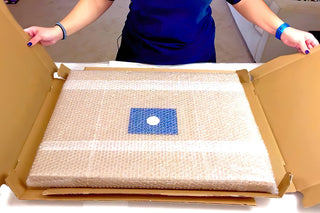
STEP 2 - SHIPPING
We ship your order. We send you an email to track the progress

STEP 3 - DELIVERY
You receive your order. You can also, according to your choice, be delivered to a relay point.
Matte finish
View from behind
Frame (optional)
In the fascinating world of 17th-century Dutch art, the portrait of Barend Hakvoort by Hendrick ten Oever stands out as a poignant testament to a time when painting reflected social and cultural values. This artwork, created between 1652 and 1735, does more than capture a man's appearance; it also evokes the essence of a personality through a subtle play of light and shadow. The depiction of Hakvoort, an influential businessman of his era, allows us to grasp the nuances of a society in full bloom, where commerce and culture intertwine. Contemplating this art print transports the viewer into a universe where every detail tells a story, and every color evokes an emotion.
Style and uniqueness of the work
Hendrick ten Oever's style is characterized by an impressive mastery of pictorial techniques, revealing meticulous attention to detail and a capacity to capture the soul of his subjects. In the portrait of Barend Hakvoort, facial features are rendered with astonishing precision, while the choice of colors evokes the richness and depth of human emotions. The drapery of Hakvoort's attire, carefully crafted, testifies to the artist's skill, while the dark background accentuates the imposing presence of the figure. This contrast between the luminous subject and the dark backdrop creates an atmosphere that is both intimate and solemn, allowing the viewer to immerse themselves in Hakvoort's personal universe. The composition, balanced and harmonious, also demonstrates a deep understanding of perspective principles, making the work even more captivating.
The artist and his influence
Hendrick ten Oever, although less well-known than some of his contemporaries, managed to establish himself in the artistic landscape of his time thanks to his undeniable talent and unique sensitivity. Trained in the workshop of renowned masters, he developed a style that combines technical rigor and expressiveness. His work is distinguished by a humanist approach, emphasizing the psychology of the characters he depicts. Ten Oever succeeded in capturing the spirit of his era, in
12,34 €