
Portrait Painting of Armand Roulin (Cas Conflict) - Vincent van Gogh | Art print


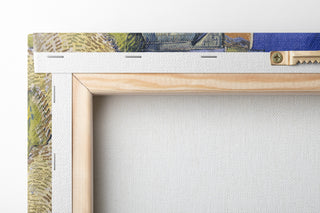
View from behind
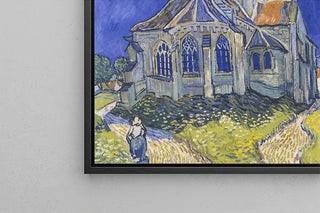
Frame (optional)
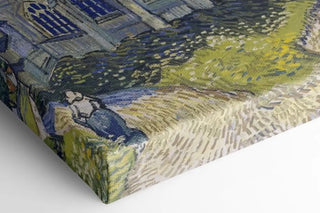
Vincent van Gogh's "Portrait of Armand Roulin (Conflit de cas)" is much more than a simple depiction of an individual; it is an immersion into the very soul of the artist. Created in 1888, this art print embodies the emotional intensity and passion that characterize Van Gogh's work. Armand Roulin, the son of the postman from the town of Arles, becomes the model for a portrait that transcends time and reminds us how art can capture the human essence. The depth of colors, the vibrancy of brushstrokes, and the power of expressions make this piece a poignant testament to the relationship between the artist and his model. By exploring this art print, viewers are invited to feel the tension between beauty and melancholy, a reflection of Van Gogh's inner struggles.
Style and uniqueness of the work
The originality of the "Portrait of Armand Roulin" lies in how Van Gogh uses color and texture to create a vibrant atmosphere. Warm tones, dominated by bright yellows and oranges, contrast with darker shadows, thus emphasizing Roulin's facial features. Each brushstroke appears charged with emotion, revealing not only the personality of the model but also the artist's state of mind at that moment. The pointillism technique, which Van Gogh adopted, offers a unique dynamic to the composition, transforming the portrait into a dance of colors that draws the eye and captivates the mind. This art print is also remarkable for its psychological approach, where the intensity of Roulin's eyes seems to tell a story, an invitation to delve into the thoughts and feelings of the subject.
The artist and his influence
Vincent van Gogh, an emblematic figure of post-impressionist art, redefined the conventions of his time. His bold style and ability to express deep emotions through color and form marked a turning point in art history. Influenced by movements such as Impressionism and Neo-Impressionism, Van Gogh developed a unique approach, focusing on the subjectivity of human experience. His
Portrait Painting of Armand Roulin (Cas Conflict) - Vincent van Gogh | Art print
-10% FROM €95 IN PURCHASES
-15% FROM €195 IN PURCHASES
Regular price
- Unit price
- per
Tax included.
Free shipping
€4.90 / Free shipping on orders over €39
Satisfied or Money Back
Free returns within 30 days
10-year warranty
Our prints are guaranteed for 10 years
Any questions? We are here!
by email to contact@artemlegrand.com
THE STEPS OF YOUR ORDER
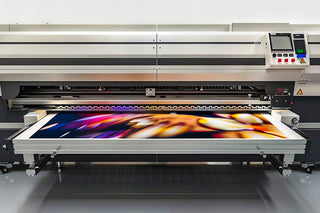
STEP 1 - ORDER PLACED
Your order has been confirmed and we are starting production
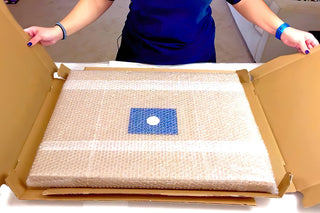
STEP 2 - SHIPPING
We ship your order. We send you an email to track the progress

STEP 3 - DELIVERY
You receive your order. You can also, according to your choice, be delivered to a relay point.
Matte finish
View from behind
Frame (optional)
Vincent van Gogh's "Portrait of Armand Roulin (Conflit de cas)" is much more than a simple depiction of an individual; it is an immersion into the very soul of the artist. Created in 1888, this art print embodies the emotional intensity and passion that characterize Van Gogh's work. Armand Roulin, the son of the postman from the town of Arles, becomes the model for a portrait that transcends time and reminds us how art can capture the human essence. The depth of colors, the vibrancy of brushstrokes, and the power of expressions make this piece a poignant testament to the relationship between the artist and his model. By exploring this art print, viewers are invited to feel the tension between beauty and melancholy, a reflection of Van Gogh's inner struggles.
Style and uniqueness of the work
The originality of the "Portrait of Armand Roulin" lies in how Van Gogh uses color and texture to create a vibrant atmosphere. Warm tones, dominated by bright yellows and oranges, contrast with darker shadows, thus emphasizing Roulin's facial features. Each brushstroke appears charged with emotion, revealing not only the personality of the model but also the artist's state of mind at that moment. The pointillism technique, which Van Gogh adopted, offers a unique dynamic to the composition, transforming the portrait into a dance of colors that draws the eye and captivates the mind. This art print is also remarkable for its psychological approach, where the intensity of Roulin's eyes seems to tell a story, an invitation to delve into the thoughts and feelings of the subject.
The artist and his influence
Vincent van Gogh, an emblematic figure of post-impressionist art, redefined the conventions of his time. His bold style and ability to express deep emotions through color and form marked a turning point in art history. Influenced by movements such as Impressionism and Neo-Impressionism, Van Gogh developed a unique approach, focusing on the subjectivity of human experience. His
12,34 €