
Portrait painting of Anton Ritter Mantz von Mariensee, Mantua 1757-1830, Bad Ischl, owner of a mine and a foundry in Bucovina - Leopold Kupelwieser


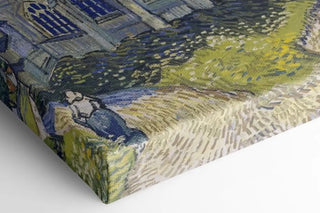
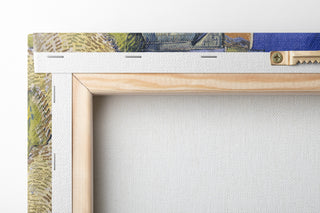
View from behind
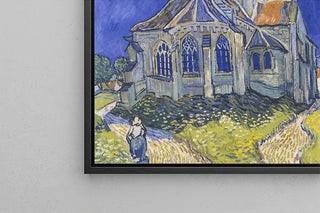
Frame (optional)
Portrait of Anton Ritter Mantz von Mariensee, Mantua 1757-1830, Bad Ischl, owner of a mine and a foundry in Bukovina - Leopold Kupelwieser – Captivating introduction
In the fascinating world of art, some works transcend the mere frame to become windows into the history and culture of a particular era. The art print of the Portrait of Anton Ritter Mantz von Mariensee, Mantua 1757-1830, Bad Ischl, owner of a mine and a foundry in Bukovina - Leopold Kupelwieser, is one of these masterpieces. This portrait does more than depict a man; it evokes the rise of an entrepreneur within the Austro-Hungarian Empire, serving as a visual testament to the wealth and complexity of social and economic relations of his time. Through Mantz's features, the artist captures not only his physical appearance but also his character and status, inviting viewers to reflect on the life of a man who managed to establish himself in a rapidly changing world.
Style and uniqueness of the work
Kupelwieser's style is distinguished by a realistic approach, where every detail is carefully considered to convey a sense of truth. The rich, deep colors add an almost tactile dimension to the canvas, while light plays a crucial role in highlighting Mantz's features. The penetrating gaze and confident posture of the man reflect a self-assurance that seems to transcend time. Kupelwieser employs chiaroscuro techniques to emphasize shadows and highlights, creating an atmosphere that is both intimate and majestic. This work also stands out for its ability to capture the very essence of its subject, revealing not only his social status but also a part of his soul, making the portrait profoundly human and accessible.
The artist and his influence
Leopold Kupelwieser, born in 1796 in Vienna, was an artist whose career was marked by a profound influence on the Austrian artistic landscape of the 19th century. Trained in academic traditions, he mastered a blend of technical rigor and artistic sensitivity. His works testify to a period when art was expected to
Portrait painting of Anton Ritter Mantz von Mariensee, Mantua 1757-1830, Bad Ischl, owner of a mine and a foundry in Bucovina - Leopold Kupelwieser

-10% FROM €95 IN PURCHASES
-15% FROM €195 IN PURCHASES
Regular price
- Unit price
- per
Tax included.
Free shipping
€4.90 / Free shipping on orders over €39
Satisfied or Money Back
Free returns within 30 days
10-year warranty
Our prints are guaranteed for 10 years
Any questions? We are here!
by email to contact@artemlegrand.com
THE STEPS OF YOUR ORDER

STEP 1 - ORDER PLACED
Your order has been confirmed and we are starting production
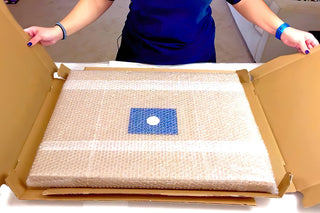
STEP 2 - SHIPPING
We ship your order. We send you an email to track the progress

STEP 3 - DELIVERY
You receive your order. You can also, according to your choice, be delivered to a relay point.
Matte finish
View from behind
Frame (optional)
Portrait of Anton Ritter Mantz von Mariensee, Mantua 1757-1830, Bad Ischl, owner of a mine and a foundry in Bukovina - Leopold Kupelwieser – Captivating introduction
In the fascinating world of art, some works transcend the mere frame to become windows into the history and culture of a particular era. The art print of the Portrait of Anton Ritter Mantz von Mariensee, Mantua 1757-1830, Bad Ischl, owner of a mine and a foundry in Bukovina - Leopold Kupelwieser, is one of these masterpieces. This portrait does more than depict a man; it evokes the rise of an entrepreneur within the Austro-Hungarian Empire, serving as a visual testament to the wealth and complexity of social and economic relations of his time. Through Mantz's features, the artist captures not only his physical appearance but also his character and status, inviting viewers to reflect on the life of a man who managed to establish himself in a rapidly changing world.
Style and uniqueness of the work
Kupelwieser's style is distinguished by a realistic approach, where every detail is carefully considered to convey a sense of truth. The rich, deep colors add an almost tactile dimension to the canvas, while light plays a crucial role in highlighting Mantz's features. The penetrating gaze and confident posture of the man reflect a self-assurance that seems to transcend time. Kupelwieser employs chiaroscuro techniques to emphasize shadows and highlights, creating an atmosphere that is both intimate and majestic. This work also stands out for its ability to capture the very essence of its subject, revealing not only his social status but also a part of his soul, making the portrait profoundly human and accessible.
The artist and his influence
Leopold Kupelwieser, born in 1796 in Vienna, was an artist whose career was marked by a profound influence on the Austrian artistic landscape of the 19th century. Trained in academic traditions, he mastered a blend of technical rigor and artistic sensitivity. His works testify to a period when art was expected to
12,34 €