
Portrait painting of Ann Anderson, wife of Alexander Balmanno - Nathaniel Hone


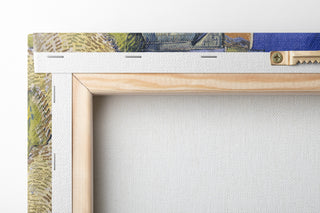
View from behind
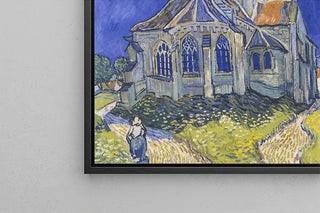
Frame (optional)
Reproduction Portrait of Ann Anderson, wife of Alexander Balmanno - Nathaniel Hone – Captivating introduction
The "Portrait of Ann Anderson, wife of Alexander Balmanno" by Nathaniel Hone is an iconic work from the 18th century that embodies the elegance and sophistication of its era. This painting, created with impressive technical mastery, offers a fascinating glimpse into bourgeois life at a time when portraiture was a privileged means of asserting social status. Through this portrait, the artist does not merely capture the physical appearance of his subject, but also succeeds in conveying a psychological depth that makes Ann Anderson both accessible and mysterious. This artwork, through its composition and treatment of light, invites the viewer to immerse themselves in a universe where social conventions and individuality intersect.
Style and uniqueness of the work
Nathaniel Hone's style is distinguished by his ability to blend realism and idealization. In this portrait, the meticulous details of Ann Anderson's dress, as well as the glow of her complexion, demonstrate great attention to textures and colors. The artist skillfully plays with light to create subtle reflections that bring the canvas to life. The model's posture, slightly turned towards the viewer, suggests a certain intimacy while maintaining an aristocratic distance. The chosen color palette, dominated by soft and refined tones, contributes to the overall harmony of the piece. This stylistic approach allows Hone to transcend the simple portrait, offering a reflection on the nature of beauty and the passage of time.
The artist and his influence
Nathaniel Hone, born in Dublin in 1718, was a painter who left his mark on his era through his talent and artistic vision. Trained within the artistic circles of England, he was influenced by great portrait masters such as Gainsborough and Reynolds. Hone developed a style that is uniquely his own, blending refined technique with a modern sensitivity for his time. His work is characterized by particular attention to detail and an ability to capture the soul of his subjects. Beyond his personal production, Hone also played a role in training generations of painters, contributing to the evolution of portraiture in the 18th century. His
Portrait painting of Ann Anderson, wife of Alexander Balmanno - Nathaniel Hone

-10% FROM €95 IN PURCHASES
-15% FROM €195 IN PURCHASES
Regular price
- Unit price
- per
Tax included.
Free shipping
€4.90 / Free shipping on orders over €39
Satisfied or Money Back
Free returns within 30 days
10-year warranty
Our prints are guaranteed for 10 years
Any questions? We are here!
by email to contact@artemlegrand.com
THE STEPS OF YOUR ORDER

STEP 1 - ORDER PLACED
Your order has been confirmed and we are starting production
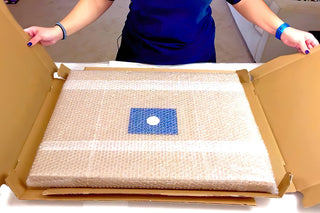
STEP 2 - SHIPPING
We ship your order. We send you an email to track the progress

STEP 3 - DELIVERY
You receive your order. You can also, according to your choice, be delivered to a relay point.
Matte finish
View from behind
Frame (optional)
Reproduction Portrait of Ann Anderson, wife of Alexander Balmanno - Nathaniel Hone – Captivating introduction
The "Portrait of Ann Anderson, wife of Alexander Balmanno" by Nathaniel Hone is an iconic work from the 18th century that embodies the elegance and sophistication of its era. This painting, created with impressive technical mastery, offers a fascinating glimpse into bourgeois life at a time when portraiture was a privileged means of asserting social status. Through this portrait, the artist does not merely capture the physical appearance of his subject, but also succeeds in conveying a psychological depth that makes Ann Anderson both accessible and mysterious. This artwork, through its composition and treatment of light, invites the viewer to immerse themselves in a universe where social conventions and individuality intersect.
Style and uniqueness of the work
Nathaniel Hone's style is distinguished by his ability to blend realism and idealization. In this portrait, the meticulous details of Ann Anderson's dress, as well as the glow of her complexion, demonstrate great attention to textures and colors. The artist skillfully plays with light to create subtle reflections that bring the canvas to life. The model's posture, slightly turned towards the viewer, suggests a certain intimacy while maintaining an aristocratic distance. The chosen color palette, dominated by soft and refined tones, contributes to the overall harmony of the piece. This stylistic approach allows Hone to transcend the simple portrait, offering a reflection on the nature of beauty and the passage of time.
The artist and his influence
Nathaniel Hone, born in Dublin in 1718, was a painter who left his mark on his era through his talent and artistic vision. Trained within the artistic circles of England, he was influenced by great portrait masters such as Gainsborough and Reynolds. Hone developed a style that is uniquely his own, blending refined technique with a modern sensitivity for his time. His work is characterized by particular attention to detail and an ability to capture the soul of his subjects. Beyond his personal production, Hone also played a role in training generations of painters, contributing to the evolution of portraiture in the 18th century. His
12,34 €