
Portrait of a Humanist - Sebastiano del Piombo | Art print


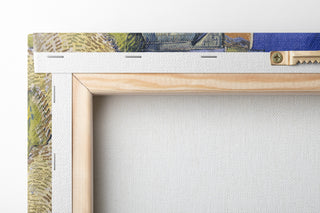
View from behind
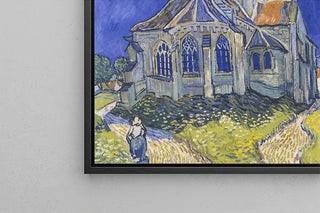
Frame (optional)
Portrait of a Humanist - Sebastiano del Piombo – Captivating Introduction
In the fascinating world of the Italian Renaissance, some works transcend mere artistic boundaries to become witnesses of their era and profound reflections on humanity. The "Portrait of a Humanist" by Sebastiano del Piombo is one of these iconic creations. This piece, both intimate and grandiose, invites viewers to delve into the mind of a scholar of his time, embodying the values of knowledge and wisdom. Through the penetrating gaze of its subject, the artist manages to capture the very essence of humanism, a movement that placed man at the center of all concerns. The art print of this masterpiece allows for a rediscovery of the subtleties of humanist thought, while paying tribute to the virtuosity of its creator.
Style and uniqueness of the work
The "Portrait of a Humanist" stands out for its refined style and mastered technique. Sebastiano del Piombo, influenced by the great masters of his time, such as Michelangelo, manages to combine a realistic representation with striking psychological depth. The play of light and shadow, characteristic of chiaroscuro, gives the work an almost sculptural dimension. The face of the humanist, with its marked features and intense gaze, seems to tell a story— that of a man committed to the pursuit of knowledge. The color palette, both rich and subtle, enhances the atmosphere of reflection and introspection emanating from this portrait. Every detail, from the choice of clothing to the position of the hands, is carefully thought out to reveal the complex personality of its subject, making this work a true window into the soul.
The artist and his influence
Sebastiano del Piombo, born in 1485 in Venice, is an artist whose career is marked by decisive encounters and diverse influences. Trained in the workshop of Giovanni Bellini, he established himself in the art world by settling in Rome, where he mingled with iconic figures such as Raphael and Michelangelo. His ability to fuse styles and incorporate humanist principles into his works has
Portrait of a Humanist - Sebastiano del Piombo | Art print

-10% FROM €95 IN PURCHASES
-15% FROM €195 IN PURCHASES
Regular price
- Unit price
- per
Tax included.
Free shipping
€4.90 / Free shipping on orders over €39
Satisfied or Money Back
Free returns within 30 days
10-year warranty
Our prints are guaranteed for 10 years
Any questions? We are here!
by email to contact@artemlegrand.com
THE STEPS OF YOUR ORDER

STEP 1 - ORDER PLACED
Your order has been confirmed and we are starting production
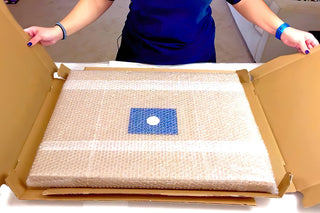
STEP 2 - SHIPPING
We ship your order. We send you an email to track the progress

STEP 3 - DELIVERY
You receive your order. You can also, according to your choice, be delivered to a relay point.
Matte finish
View from behind
Frame (optional)
Portrait of a Humanist - Sebastiano del Piombo – Captivating Introduction
In the fascinating world of the Italian Renaissance, some works transcend mere artistic boundaries to become witnesses of their era and profound reflections on humanity. The "Portrait of a Humanist" by Sebastiano del Piombo is one of these iconic creations. This piece, both intimate and grandiose, invites viewers to delve into the mind of a scholar of his time, embodying the values of knowledge and wisdom. Through the penetrating gaze of its subject, the artist manages to capture the very essence of humanism, a movement that placed man at the center of all concerns. The art print of this masterpiece allows for a rediscovery of the subtleties of humanist thought, while paying tribute to the virtuosity of its creator.
Style and uniqueness of the work
The "Portrait of a Humanist" stands out for its refined style and mastered technique. Sebastiano del Piombo, influenced by the great masters of his time, such as Michelangelo, manages to combine a realistic representation with striking psychological depth. The play of light and shadow, characteristic of chiaroscuro, gives the work an almost sculptural dimension. The face of the humanist, with its marked features and intense gaze, seems to tell a story— that of a man committed to the pursuit of knowledge. The color palette, both rich and subtle, enhances the atmosphere of reflection and introspection emanating from this portrait. Every detail, from the choice of clothing to the position of the hands, is carefully thought out to reveal the complex personality of its subject, making this work a true window into the soul.
The artist and his influence
Sebastiano del Piombo, born in 1485 in Venice, is an artist whose career is marked by decisive encounters and diverse influences. Trained in the workshop of Giovanni Bellini, he established himself in the art world by settling in Rome, where he mingled with iconic figures such as Raphael and Michelangelo. His ability to fuse styles and incorporate humanist principles into his works has
12,34 €