
Painting Portrait of a Young Woman - Thomas de Keyser | Art print


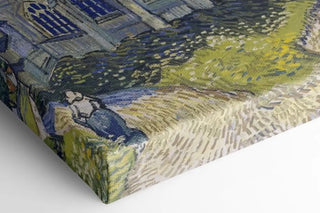
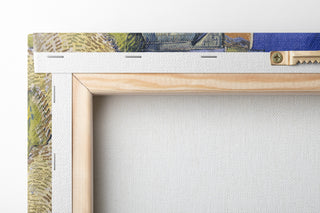
View from behind
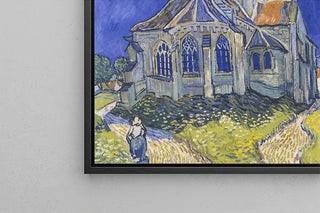
Frame (optional)
Portrait of a Young Woman - Thomas de Keyser – Captivating Introduction
At the heart of the Dutch Golden Age, the artwork "Portrait of a Young Woman" by Thomas de Keyser emerges as a poignant testament to the artistic finesse of its time. This piece, imbued with delicacy and sophistication, embodies not only the technical virtuosity of the artist but also the very essence of daily life in the 17th century. By contemplating this art print, one is immediately transported into a universe where every detail, every nuance of color, tells a story. The intensity of the young woman's gaze, her elegant posture, and the subtleties of her clothing invite us to explore the emotions and thoughts that animate her, making this work a true mirror of the human soul.
Style and uniqueness of the work
Thomas de Keyser's style is distinguished by its striking realism and meticulous attention to detail. In "Portrait of a Young Woman," the artist manages to capture not only the physical appearance of his model but also her personality. The play of light and shadow, as well as the texture of the fabrics, are rendered with such precision that they seem almost tangible. The color palette, dominated by rich and warm tones, creates an intimate atmosphere that envelops the viewer. Moreover, the choice of accessories and staging reflect a refined taste, revealing the social status of the young woman while maintaining a certain accessibility. This portrait, far from being a simple representation, becomes an exploration of feminine identity at a time when the role of women was undergoing significant change.
The artist and his influence
Thomas de Keyser, active in Amsterdam in the early 17th century, is often regarded as one of the masters of Dutch portraiture. Trained under the influence of the Flemish school, he developed a distinctive style that combines realism and elegance. His works are characterized by an ability to capture the individuality of his subjects, an approach that profoundly influenced his contemporaries and continues to inspire artists today. De Keyser also played a key role in the evolution of bourgeois portraiture, contributing to the rise of a new aesthetic that values everyday life while elevating it. By rediscovering works like
Painting Portrait of a Young Woman - Thomas de Keyser | Art print

-10% FROM €95 IN PURCHASES
-15% FROM €195 IN PURCHASES
Regular price
- Unit price
- per
Tax included.
Free shipping
€4.90 / Free shipping on orders over €39
Satisfied or Money Back
Free returns within 30 days
10-year warranty
Our prints are guaranteed for 10 years
Any questions? We are here!
by email to contact@artemlegrand.com
THE STEPS OF YOUR ORDER

STEP 1 - ORDER PLACED
Your order has been confirmed and we are starting production
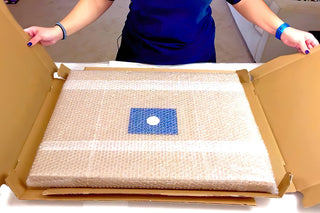
STEP 2 - SHIPPING
We ship your order. We send you an email to track the progress

STEP 3 - DELIVERY
You receive your order. You can also, according to your choice, be delivered to a relay point.
Matte finish
View from behind
Frame (optional)
Portrait of a Young Woman - Thomas de Keyser – Captivating Introduction
At the heart of the Dutch Golden Age, the artwork "Portrait of a Young Woman" by Thomas de Keyser emerges as a poignant testament to the artistic finesse of its time. This piece, imbued with delicacy and sophistication, embodies not only the technical virtuosity of the artist but also the very essence of daily life in the 17th century. By contemplating this art print, one is immediately transported into a universe where every detail, every nuance of color, tells a story. The intensity of the young woman's gaze, her elegant posture, and the subtleties of her clothing invite us to explore the emotions and thoughts that animate her, making this work a true mirror of the human soul.
Style and uniqueness of the work
Thomas de Keyser's style is distinguished by its striking realism and meticulous attention to detail. In "Portrait of a Young Woman," the artist manages to capture not only the physical appearance of his model but also her personality. The play of light and shadow, as well as the texture of the fabrics, are rendered with such precision that they seem almost tangible. The color palette, dominated by rich and warm tones, creates an intimate atmosphere that envelops the viewer. Moreover, the choice of accessories and staging reflect a refined taste, revealing the social status of the young woman while maintaining a certain accessibility. This portrait, far from being a simple representation, becomes an exploration of feminine identity at a time when the role of women was undergoing significant change.
The artist and his influence
Thomas de Keyser, active in Amsterdam in the early 17th century, is often regarded as one of the masters of Dutch portraiture. Trained under the influence of the Flemish school, he developed a distinctive style that combines realism and elegance. His works are characterized by an ability to capture the individuality of his subjects, an approach that profoundly influenced his contemporaries and continues to inspire artists today. De Keyser also played a key role in the evolution of bourgeois portraiture, contributing to the rise of a new aesthetic that values everyday life while elevating it. By rediscovering works like
12,34 €