
Painting Portrait of a Young Woman - Hans Holbein the Young Workshop | Art print


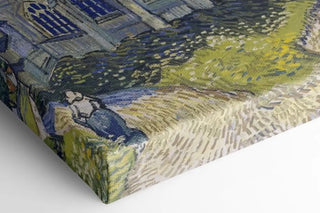
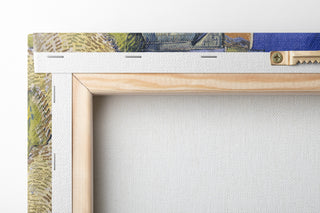
View from behind
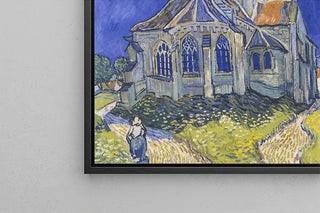
Frame (optional)
In the bustling universe of the Renaissance, where arts and sciences flourish under the breath of new knowledge, the "Portrait of a Young Woman" stands as an emblematic work of a time in full transformation. This painting, attributed to the workshop of master Hans Holbein the Younger, embodies not only the technical virtuosity of its creator but also the psychological subtleties of the portrait. The young woman, whose gaze seems to capture the viewer's soul, invites us on a journey through time, revealing the aspirations and concerns of a world in full effervescence. This art print allows us to closely approach this fascinating work, while offering a glimpse into the richness of 16th-century painting.
Style and uniqueness of the work
Holbein's style is characterized by meticulous precision and particular attention to detail, which give his portraits an almost photographic quality. In "Portrait of a Young Woman," this mastery is expressed through the delicacy of the features and the fineness of the textures. The play of light and shadow, skillfully orchestrated, brings the canvas to life, emphasizing the volumes of the face and the fluidity of the fabrics draping the silhouette. The use of rich, yet subtly nuanced colors also contributes to creating an intimate atmosphere, where each element of the composition seems charged with meaning. This painting does not merely depict a female figure; it reveals her personality, emotions, and perhaps even a hint of mystery, thus inviting the viewer to question her story.
The artist and his influence
Hans Holbein the Younger, a German-born artist, established himself as one of the most renowned portraitists of his time. His stay at the court of England, where he was the official painter of Henry VIII, marked a turning point in his career and in art history. Holbein skillfully combined influences from Flemish and Italian painting, creating a unique style that influenced many artists thereafter. His ability to capture not only the outward appearance of his subjects but also their inner character paved the way for a new approach to portraiture.
Painting Portrait of a Young Woman - Hans Holbein the Young Workshop | Art print

-10% FROM €95 IN PURCHASES
-15% FROM €195 IN PURCHASES
Regular price
- Unit price
- per
Tax included.
Free shipping
€4.90 / Free shipping on orders over €39
Satisfied or Money Back
Free returns within 30 days
10-year warranty
Our prints are guaranteed for 10 years
Any questions? We are here!
by email to contact@artemlegrand.com
THE STEPS OF YOUR ORDER

STEP 1 - ORDER PLACED
Your order has been confirmed and we are starting production
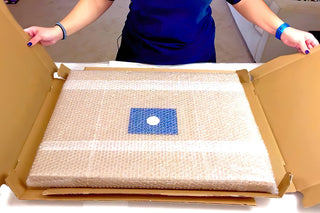
STEP 2 - SHIPPING
We ship your order. We send you an email to track the progress

STEP 3 - DELIVERY
You receive your order. You can also, according to your choice, be delivered to a relay point.
Matte finish
View from behind
Frame (optional)
In the bustling universe of the Renaissance, where arts and sciences flourish under the breath of new knowledge, the "Portrait of a Young Woman" stands as an emblematic work of a time in full transformation. This painting, attributed to the workshop of master Hans Holbein the Younger, embodies not only the technical virtuosity of its creator but also the psychological subtleties of the portrait. The young woman, whose gaze seems to capture the viewer's soul, invites us on a journey through time, revealing the aspirations and concerns of a world in full effervescence. This art print allows us to closely approach this fascinating work, while offering a glimpse into the richness of 16th-century painting.
Style and uniqueness of the work
Holbein's style is characterized by meticulous precision and particular attention to detail, which give his portraits an almost photographic quality. In "Portrait of a Young Woman," this mastery is expressed through the delicacy of the features and the fineness of the textures. The play of light and shadow, skillfully orchestrated, brings the canvas to life, emphasizing the volumes of the face and the fluidity of the fabrics draping the silhouette. The use of rich, yet subtly nuanced colors also contributes to creating an intimate atmosphere, where each element of the composition seems charged with meaning. This painting does not merely depict a female figure; it reveals her personality, emotions, and perhaps even a hint of mystery, thus inviting the viewer to question her story.
The artist and his influence
Hans Holbein the Younger, a German-born artist, established himself as one of the most renowned portraitists of his time. His stay at the court of England, where he was the official painter of Henry VIII, marked a turning point in his career and in art history. Holbein skillfully combined influences from Flemish and Italian painting, creating a unique style that influenced many artists thereafter. His ability to capture not only the outward appearance of his subjects but also their inner character paved the way for a new approach to portraiture.
12,34 €