
Portrait of a young widow - Miklós Barabás | Art print


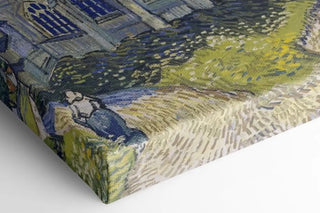
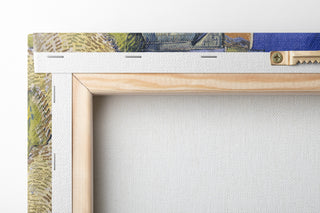
View from behind
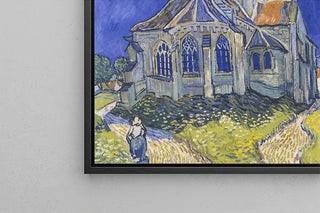
Frame (optional)
In the bustling world of 19th-century art, certain works stand out for their ability to capture deep emotions and intimate stories. The "Art print of a young widow" by Miklós Barabás is a striking example. This painting, imbued with melancholy and beauty, transports us to a world where the past and present intertwine. Through the eyes of this young woman, we perceive a silent story, an inner struggle that resonates with the human condition. Barabás succeeds in transcending the simple portrait to offer a reflection on grief, solitude, and resilience. The delicacy of the features and the intensity of the protagonist's gaze invite the viewer to reflect on their own experiences, making this work as timeless as it is universal.
Style and uniqueness of the work
Miklós Barabás's style is distinguished by its finesse and attention to detail. In the "Art print of a young widow," he uses soft tones and subtle play of light to emphasize the emotions of his model. The texture of the skin, the reflections in the hair, and the drapery of the clothing are rendered with remarkable precision, demonstrating exceptional craftsmanship. The artist manages to create an intimate atmosphere where the viewer feels almost complicit in the frozen moment. The expression on the face, both gentle and melancholic, evokes a psychological depth that goes beyond mere physical representation. Barabás, through this portrait, offers us a window into the human soul, a snapshot of a life marked by loss and hope.
The artist and his influence
Miklós Barabás, an emblematic figure of Hungarian art, established himself as a master of the portrait in the 19th century. Born in 1810, he was influenced by the artistic currents of his time, notably Romanticism, which values individuality and the expression of feelings. His training abroad, particularly in Italy, enriched his artistic approach, allowing him to incorporate elements of classical painting into his work. Barabás was also a passionate advocate for the identity
Portrait of a young widow - Miklós Barabás | Art print

-10% FROM €95 IN PURCHASES
-15% FROM €195 IN PURCHASES
Regular price
- Unit price
- per
Tax included.
Free shipping
€4.90 / Free shipping on orders over €39
Satisfied or Money Back
Free returns within 30 days
10-year warranty
Our prints are guaranteed for 10 years
Any questions? We are here!
by email to contact@artemlegrand.com
THE STEPS OF YOUR ORDER
STEP 1 - ORDER PLACED
Your order has been confirmed and we are starting production
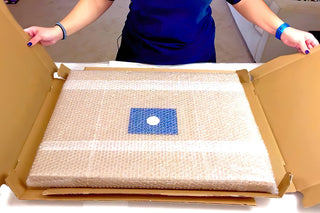
STEP 2 - SHIPPING
We ship your order. We send you an email to track the progress

STEP 3 - DELIVERY
You receive your order. You can also, according to your choice, be delivered to a relay point.
Matte finish
View from behind
Frame (optional)
In the bustling world of 19th-century art, certain works stand out for their ability to capture deep emotions and intimate stories. The "Art print of a young widow" by Miklós Barabás is a striking example. This painting, imbued with melancholy and beauty, transports us to a world where the past and present intertwine. Through the eyes of this young woman, we perceive a silent story, an inner struggle that resonates with the human condition. Barabás succeeds in transcending the simple portrait to offer a reflection on grief, solitude, and resilience. The delicacy of the features and the intensity of the protagonist's gaze invite the viewer to reflect on their own experiences, making this work as timeless as it is universal.
Style and uniqueness of the work
Miklós Barabás's style is distinguished by its finesse and attention to detail. In the "Art print of a young widow," he uses soft tones and subtle play of light to emphasize the emotions of his model. The texture of the skin, the reflections in the hair, and the drapery of the clothing are rendered with remarkable precision, demonstrating exceptional craftsmanship. The artist manages to create an intimate atmosphere where the viewer feels almost complicit in the frozen moment. The expression on the face, both gentle and melancholic, evokes a psychological depth that goes beyond mere physical representation. Barabás, through this portrait, offers us a window into the human soul, a snapshot of a life marked by loss and hope.
The artist and his influence
Miklós Barabás, an emblematic figure of Hungarian art, established himself as a master of the portrait in the 19th century. Born in 1810, he was influenced by the artistic currents of his time, notably Romanticism, which values individuality and the expression of feelings. His training abroad, particularly in Italy, enriched his artistic approach, allowing him to incorporate elements of classical painting into his work. Barabás was also a passionate advocate for the identity
12,34 €