
Painting Portrait of a Woman - Pieter Fransz de Grebber | Art print


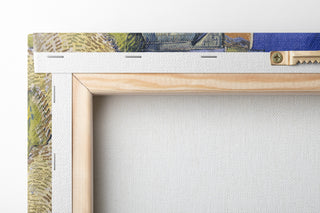
View from behind
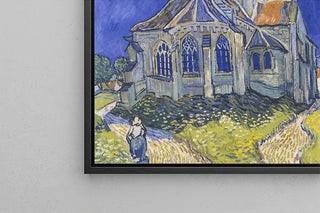
Frame (optional)
In the fascinating world of 17th-century Dutch painting, the "Art print of a woman" by Pieter Fransz de Grebber stands out for its elegance and psychological depth. This piece, imbued with rare delicacy, invites the viewer to delve into the intimacy of a female figure whose gaze seems to capture the very essence of her era. Through Grebber's skillful brushstrokes, this representation is not merely a simple image but evokes a narrative, a personal story that can be guessed behind the serene face of the woman. The artist manages to transcend time, offering a window into the past while fostering an emotional connection with the present.
Style and uniqueness of the work
Pieter Fransz de Grebber's style is characterized by an exceptional mastery of light and shadow, creating volumes that give his subjects an almost tangible life. In the "Art print of a woman," the composition is carefully orchestrated, with each element having its place in a visual harmony. The color palette, subtle and nuanced, plays a crucial role in conveying emotions. Warm tones and delicate reflections of fabrics highlight the richness of the portrait, while the dark background emphasizes the brightness of the face. This stylistic choice is not accidental; it enhances the depth of the gaze and the softness of the features, making this work a true ode to feminine beauty. Every detail, from the sparkling jewelry to the texture of the clothing, is treated with meticulous care that reflects the artist's attention to the depiction of reality.
The artist and his influence
Pieter Fransz de Grebber, active in Haarlem in the 17th century, belongs to the lineage of great masters of Dutch painting. His work stands out not only for its refined technique but also for its ability to capture the soul of his subjects. Influenced by his contemporaries, Grebber developed a personal style, combining realism and sensitivity. His impact on the artistic scene of his time is undeniable, and he inspired many artists who followed in his footsteps. By exploring themes of portraiture, he
Painting Portrait of a Woman - Pieter Fransz de Grebber | Art print

-10% FROM €95 IN PURCHASES
-15% FROM €195 IN PURCHASES
Regular price
- Unit price
- per
Tax included.
Free shipping
€4.90 / Free shipping on orders over €39
Satisfied or Money Back
Free returns within 30 days
10-year warranty
Our prints are guaranteed for 10 years
Any questions? We are here!
by email to contact@artemlegrand.com
THE STEPS OF YOUR ORDER
STEP 1 - ORDER PLACED
Your order has been confirmed and we are starting production
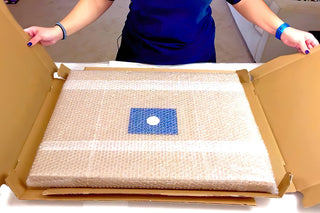
STEP 2 - SHIPPING
We ship your order. We send you an email to track the progress

STEP 3 - DELIVERY
You receive your order. You can also, according to your choice, be delivered to a relay point.
Matte finish
View from behind
Frame (optional)
In the fascinating world of 17th-century Dutch painting, the "Art print of a woman" by Pieter Fransz de Grebber stands out for its elegance and psychological depth. This piece, imbued with rare delicacy, invites the viewer to delve into the intimacy of a female figure whose gaze seems to capture the very essence of her era. Through Grebber's skillful brushstrokes, this representation is not merely a simple image but evokes a narrative, a personal story that can be guessed behind the serene face of the woman. The artist manages to transcend time, offering a window into the past while fostering an emotional connection with the present.
Style and uniqueness of the work
Pieter Fransz de Grebber's style is characterized by an exceptional mastery of light and shadow, creating volumes that give his subjects an almost tangible life. In the "Art print of a woman," the composition is carefully orchestrated, with each element having its place in a visual harmony. The color palette, subtle and nuanced, plays a crucial role in conveying emotions. Warm tones and delicate reflections of fabrics highlight the richness of the portrait, while the dark background emphasizes the brightness of the face. This stylistic choice is not accidental; it enhances the depth of the gaze and the softness of the features, making this work a true ode to feminine beauty. Every detail, from the sparkling jewelry to the texture of the clothing, is treated with meticulous care that reflects the artist's attention to the depiction of reality.
The artist and his influence
Pieter Fransz de Grebber, active in Haarlem in the 17th century, belongs to the lineage of great masters of Dutch painting. His work stands out not only for its refined technique but also for its ability to capture the soul of his subjects. Influenced by his contemporaries, Grebber developed a personal style, combining realism and sensitivity. His impact on the artistic scene of his time is undeniable, and he inspired many artists who followed in his footsteps. By exploring themes of portraiture, he
12,34 €