
Painting Portrait of a Woman - Paulus Lesire | Art print


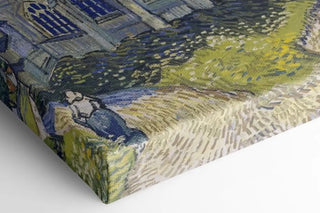
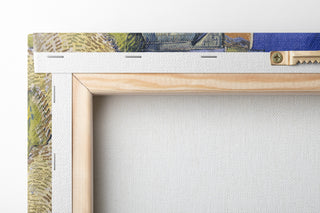
View from behind
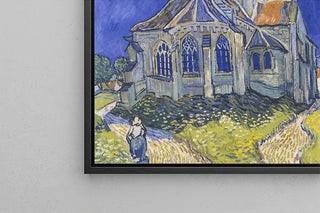
Frame (optional)
Portrait of a woman - Paulus Lesire – Captivating introduction
The "Portrait of a woman" by Paulus Lesire evokes immediate fascination, inviting viewers to delve into the intimate and mysterious world of 17th-century Flemish painting. Through delicate features and subtle expression of his model, the artwork transcends mere representation to become an exploration of the human soul. Lesire, a less well-known artist compared to his contemporaries, manages to capture a timeless essence, making this portrait a true masterpiece that still resonates today. The soft light caressing the woman's face, along with the meticulous details of her attire, testify to impressive technical mastery and rare artistic sensitivity.
Style and uniqueness of the work
Paulus Lesire's style is distinguished by a naturalistic approach and particular attention to the psychology of the characters. In the "Portrait of a woman," each element is carefully considered to create visual harmony. The color palette, subtly nuanced, evokes an atmosphere of serenity and dignity. Shadows and lights blend delicately, emphasizing facial contours and revealing emotional depth. This portrait stands out for its ability to establish an emotional connection between the viewer and the subject, an essential characteristic of Lesire's art. The composition, both simple and powerful, invites the observer to question the identity of this woman, her thoughts, and her dreams, thus creating a connection that transcends time.
The artist and his influence
Paulus Lesire, active during a period when Flemish painting experienced remarkable growth, managed to establish himself with a unique style, although he is less celebrated than other masters such as Rubens or Van Dyck. Trained in a rich artistic context, Lesire incorporated various influences while developing a personal signature that is his own. His approach to light and color, as well as his attention to detail, left a lasting mark on his contemporaries and subsequent generations. As an artist, he was able to capture the spirit of his era while foreshadowing future artistic movements. The "Portrait of a woman" bears witness to this ability to blend tradition and
Painting Portrait of a Woman - Paulus Lesire | Art print

-10% FROM €95 IN PURCHASES
-15% FROM €195 IN PURCHASES
Regular price
- Unit price
- per
Tax included.
Free shipping
€4.90 / Free shipping on orders over €39
Satisfied or Money Back
Free returns within 30 days
10-year warranty
Our prints are guaranteed for 10 years
Any questions? We are here!
by email to contact@artemlegrand.com
THE STEPS OF YOUR ORDER

STEP 1 - ORDER PLACED
Your order has been confirmed and we are starting production
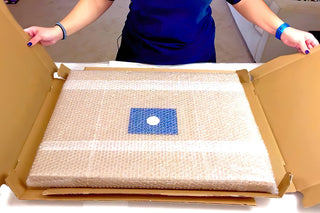
STEP 2 - SHIPPING
We ship your order. We send you an email to track the progress

STEP 3 - DELIVERY
You receive your order. You can also, according to your choice, be delivered to a relay point.
Matte finish
View from behind
Frame (optional)
Portrait of a woman - Paulus Lesire – Captivating introduction
The "Portrait of a woman" by Paulus Lesire evokes immediate fascination, inviting viewers to delve into the intimate and mysterious world of 17th-century Flemish painting. Through delicate features and subtle expression of his model, the artwork transcends mere representation to become an exploration of the human soul. Lesire, a less well-known artist compared to his contemporaries, manages to capture a timeless essence, making this portrait a true masterpiece that still resonates today. The soft light caressing the woman's face, along with the meticulous details of her attire, testify to impressive technical mastery and rare artistic sensitivity.
Style and uniqueness of the work
Paulus Lesire's style is distinguished by a naturalistic approach and particular attention to the psychology of the characters. In the "Portrait of a woman," each element is carefully considered to create visual harmony. The color palette, subtly nuanced, evokes an atmosphere of serenity and dignity. Shadows and lights blend delicately, emphasizing facial contours and revealing emotional depth. This portrait stands out for its ability to establish an emotional connection between the viewer and the subject, an essential characteristic of Lesire's art. The composition, both simple and powerful, invites the observer to question the identity of this woman, her thoughts, and her dreams, thus creating a connection that transcends time.
The artist and his influence
Paulus Lesire, active during a period when Flemish painting experienced remarkable growth, managed to establish himself with a unique style, although he is less celebrated than other masters such as Rubens or Van Dyck. Trained in a rich artistic context, Lesire incorporated various influences while developing a personal signature that is his own. His approach to light and color, as well as his attention to detail, left a lasting mark on his contemporaries and subsequent generations. As an artist, he was able to capture the spirit of his era while foreshadowing future artistic movements. The "Portrait of a woman" bears witness to this ability to blend tradition and
12,34 €