
Painting Portrait of a Woman - Jean-Baptiste-Camille Corot | Art print


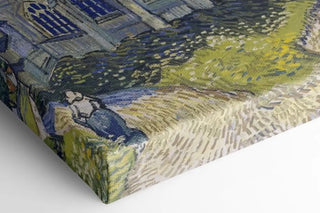
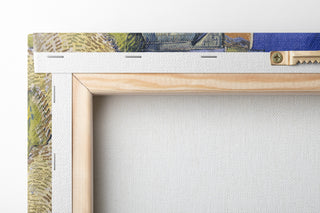
View from behind
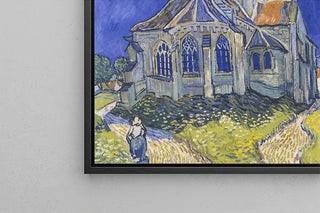
Frame (optional)
In the world of art, some works transcend time and continue to captivate viewers and minds. The "Portrait of a Woman" by Jean-Baptiste-Camille Corot is one of these creations. Created in the 19th century, this painting is a true ode to feminine beauty and the delicacy of human emotions. Through his unique approach, Corot manages to capture not only the appearance of his model but also an almost spiritual essence emanating from her presence. The art print of this masterpiece allows us to invite the magic of art into our living spaces, transforming each room into a sanctuary of culture and refinement.
Style and uniqueness of the work
Corot's style is distinguished by its ability to combine realism and poetry. In "Portrait of a Woman," delicate brushstrokes and a palette of soft colors create an intimate atmosphere, where light plays a crucial role. The way he renders the textures of clothing and hair demonstrates impressive technical mastery. Corot does not merely depict a woman; he captures an ambiance, a palpable emotion that seems to emanate from the painting. The woman's gaze, both dreamy and contemplative, invites the viewer to ponder her thoughts and feelings. This portrait is a perfect example of how art can transcend mere visuals to touch the human soul.
The artist and his influence
Jean-Baptiste-Camille Corot is often regarded as one of the precursors of Impressionism, although his style aligns with the realism movement. Trained at the École des Beaux-Arts, he developed a technique that marries academic rigor with romantic sensitivity. His influence is evident in many artists who followed, particularly in the use of light and in the way portraits are treated. Corot also traveled across Europe, notably in Italy, where he was deeply inspired by the light and landscapes. This experience enriched his work, allowing him to incorporate elements of nature into his portraits, thus creating harmony between the subject and its environment. His legacy endures today, and his work continues to
Painting Portrait of a Woman - Jean-Baptiste-Camille Corot | Art print

-10% FROM €95 IN PURCHASES
-15% FROM €195 IN PURCHASES
Regular price
- Unit price
- per
Tax included.
Free shipping
€4.90 / Free shipping on orders over €39
Satisfied or Money Back
Free returns within 30 days
10-year warranty
Our prints are guaranteed for 10 years
Any questions? We are here!
by email to contact@artemlegrand.com
THE STEPS OF YOUR ORDER

STEP 1 - ORDER PLACED
Your order has been confirmed and we are starting production
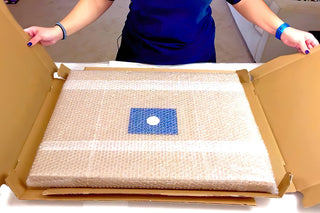
STEP 2 - SHIPPING
We ship your order. We send you an email to track the progress

STEP 3 - DELIVERY
You receive your order. You can also, according to your choice, be delivered to a relay point.
Matte finish
View from behind
Frame (optional)
In the world of art, some works transcend time and continue to captivate viewers and minds. The "Portrait of a Woman" by Jean-Baptiste-Camille Corot is one of these creations. Created in the 19th century, this painting is a true ode to feminine beauty and the delicacy of human emotions. Through his unique approach, Corot manages to capture not only the appearance of his model but also an almost spiritual essence emanating from her presence. The art print of this masterpiece allows us to invite the magic of art into our living spaces, transforming each room into a sanctuary of culture and refinement.
Style and uniqueness of the work
Corot's style is distinguished by its ability to combine realism and poetry. In "Portrait of a Woman," delicate brushstrokes and a palette of soft colors create an intimate atmosphere, where light plays a crucial role. The way he renders the textures of clothing and hair demonstrates impressive technical mastery. Corot does not merely depict a woman; he captures an ambiance, a palpable emotion that seems to emanate from the painting. The woman's gaze, both dreamy and contemplative, invites the viewer to ponder her thoughts and feelings. This portrait is a perfect example of how art can transcend mere visuals to touch the human soul.
The artist and his influence
Jean-Baptiste-Camille Corot is often regarded as one of the precursors of Impressionism, although his style aligns with the realism movement. Trained at the École des Beaux-Arts, he developed a technique that marries academic rigor with romantic sensitivity. His influence is evident in many artists who followed, particularly in the use of light and in the way portraits are treated. Corot also traveled across Europe, notably in Italy, where he was deeply inspired by the light and landscapes. This experience enriched his work, allowing him to incorporate elements of nature into his portraits, thus creating harmony between the subject and its environment. His legacy endures today, and his work continues to
12,34 €